Apple's Silent Safari Tracking Block Rattles Ad Industry
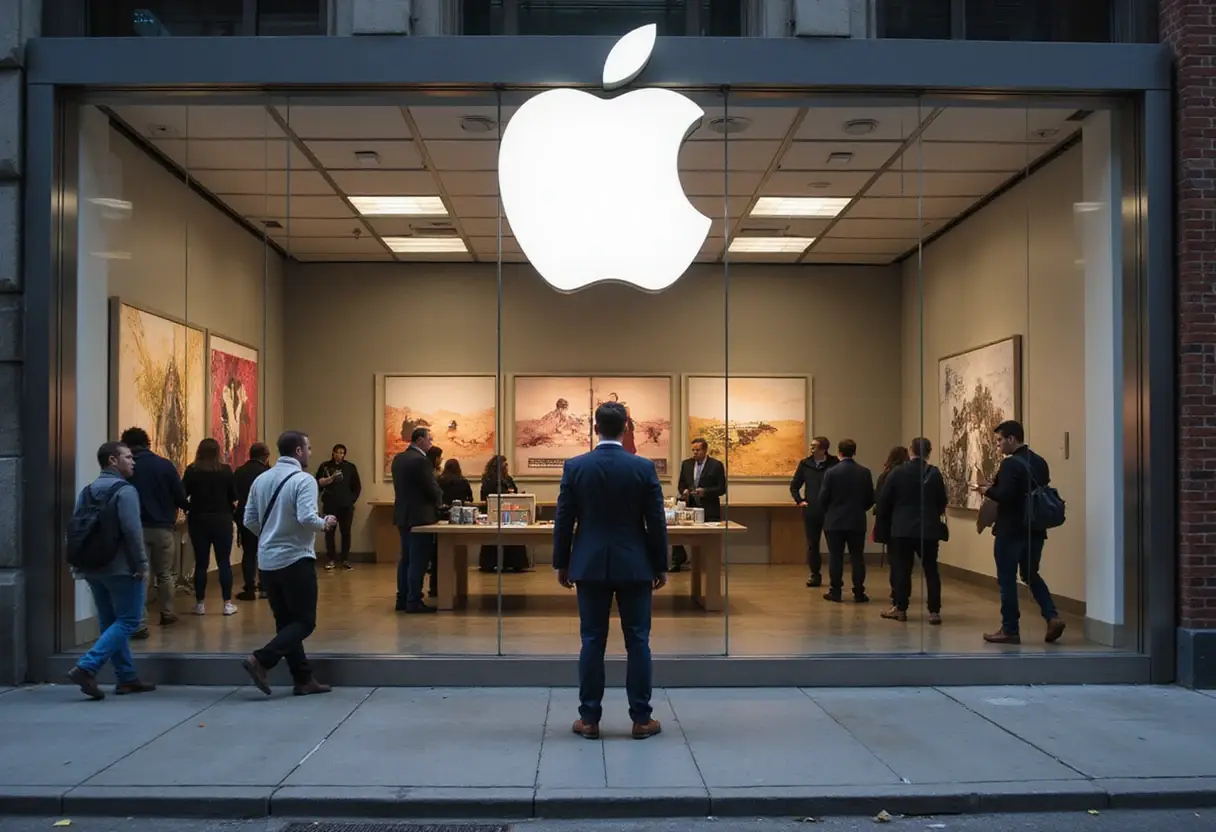
Apple's unannounced Safari update blocks major cross-web trackers, echoing 2017 and 2021 crackdowns that cost the industry billions — Meta alone put one year's damage at $10 billion.
By Tom Whitfield
2 min readAt a glance
- Apple's latest software update blocks some of the biggest cross-web tracking companies from working in Safari entirely.
- The block arrived without warning and runs off a list few people outside Apple can see.
- Apple's earlier tracking crackdowns in 2017 and 2021 wiped billions off the ad industry.
- Meta estimated the 2021 crackdown would cost it around $10 billion in a single year.
- Early losses from the new block are still being tallied.
Apple's latest software update has stopped some of the biggest cross-web tracking companies from working in Safari altogether — and the block arrived without warning, running off a list few people outside Apple ever get to see.
The change hit some of the best-known names in the ad business, and executives spent the week on edge trying to tally the damage. The industry has been burned before: Apple's earlier crackdowns on tracking in 2017 and 2021 wiped billions off the sector. Meta alone said the 2021 crackdown would cost it roughly $10 billion in a single year.
That history explains the alarm. For an industry that has watched Apple reshape its business twice already, an unannounced block targeting major trackers was enough to set off warning bells before anyone could put a number on the losses.
Why does this Safari block matter so much?
Three factors make this rollout unusually disruptive:
- No advance notice. The block arrived without warning, leaving advertisers and vendors no time to prepare or adjust campaigns.
- Major players affected. Some of the best-known names in cross-web tracking simply stopped working in Safari.
- Opacity. The block operates off a list that few people outside Apple get to see, so the industry cannot fully verify who is affected or why.
What does it change for practitioners?
For advertisers and agencies, the immediate implication is reduced visibility into Safari users' cross-site behavior, which weakens targeting and measurement for a browser that holds a meaningful share of web traffic. The precedent matters as much as the mechanics: Apple has now demonstrated it can flip off entire categories of tracking technology at the operating-system level, at any time, with no consultation.
Budget planning gets harder under that uncertainty. The 2021 episode — the one Meta priced at around $10 billion for a single year — offers the closest available benchmark for what a Safari-level restriction can do to ad performance and revenue. Early losses from the current block are still being tallied, and no reliable figures have surfaced yet.
Confirmed versus speculated
Confirmed by the industry reaction so far: the update exists, it blocks specific tracking companies in Safari, and it came without warning.
Still unconfirmed: the full list of blocked companies, the criteria Apple used to build it, and the eventual dollar impact. Executives' anxiety is grounded in documented history, but any specific loss figures circulating this week should be treated as speculation until companies report actual numbers.
The contrast with 2017 and 2021 is instructive. Those earlier crackdowns gave the industry something to measure against once the damage landed — Meta's $10 billion estimate came after the fact, not before. This time, the industry is once again waiting for the receipts, and Apple has given no signal about whether the block will expand, hold steady, or become the new default for how Safari treats third-party tracking.
Source: Digiday
Tom Whitfield
Show full bio
News editor covering regulation, policy and their impact on Social platform news and policy at Reach Brief.