Chude Jideonwo Commits $500,000 to Africa's Creator Economy
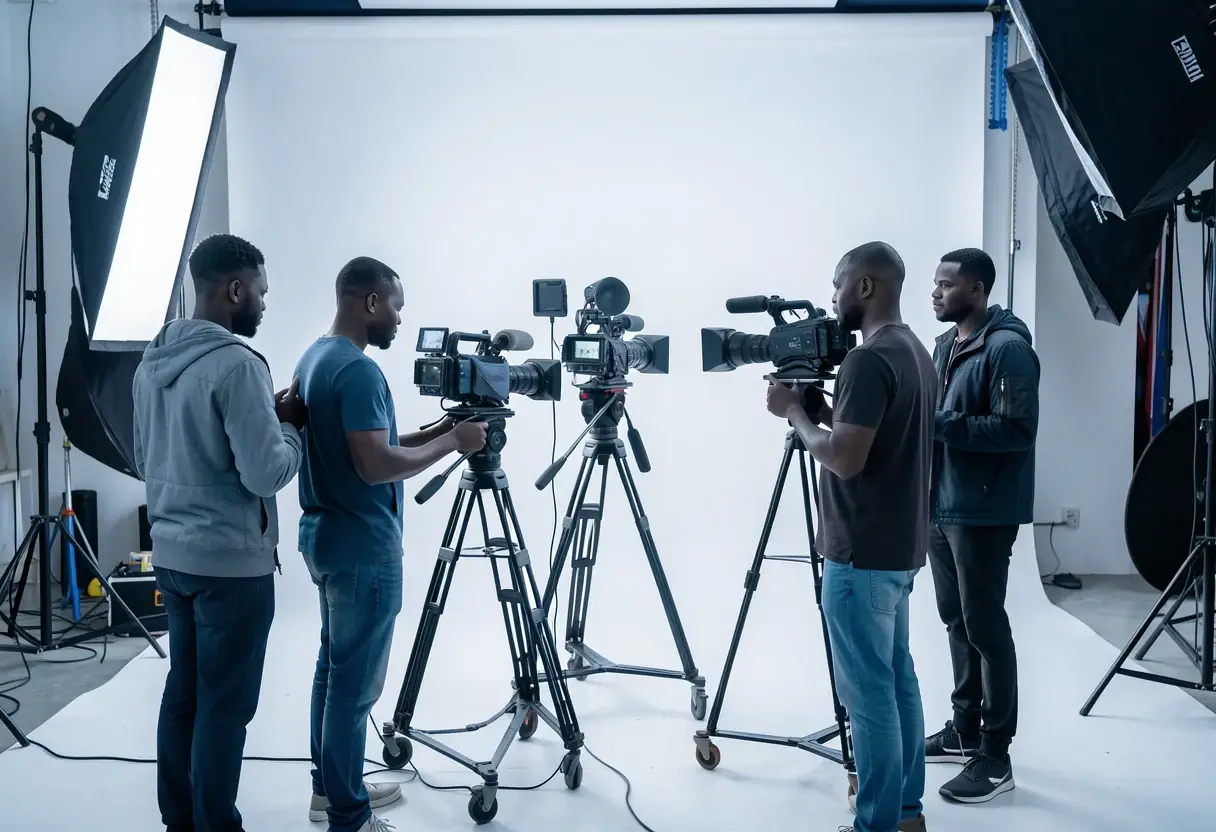
Nigerian entrepreneur Chude Jideonwo is backing Africa's creator economy with at least $500,000 through FourthMainland, with acquisitions and a public listing on the long-term agenda.
By Tom Whitfield
3 min readAt a glance
- Chude Jideonwo has committed at least $500,000 of personal capital to the FourthMainland creator fund.
- His companies have executed projects across 23 African countries.
- #WithChude declined advertising partnerships for four years from 2022.
- The fund's first announced investment is filmmaker Kenzy, who has almost 10 million followers.
- Jideonwo has not signed company cheques or approved bank transactions in over a decade.
Nigerian media entrepreneur Chude Jideonwo has committed at least $500,000 of personal capital to a creator fund, as part of a broader plan to build a pan-African media group that could eventually seek a public listing. His companies have executed projects across 23 African countries, and he now operates through FourthMainland, a media and culture group backed by his own money.
Jideonwo, co-founder of RED and the entrepreneur behind YNaija, Joy, Inc. and #WithChude, laid out the strategy in an interview with Business Insider Africa. His track record spans more than two decades, beginning when he co-founded The Future Awards Africa as a teenager.
What does the fund actually do for creators?
The FourthMainland Fund is an investment vehicle, not a grant programme. Its first publicly announced investment is in Kelvin Ezike, known as Kenzy, a 20-year-old filmmaker with almost 10 million followers across his platforms. The fund is backing films developed by the creator and his team; the investment amount and commercial terms remain undisclosed.
"The Fund is an investment vehicle, not a grant programme. Its structures will vary according to the opportunity and may include equity, intellectual-property rights, licensing rights or other commercially appropriate arrangements," Jideonwo said. "We expect financial returns, alongside the wider value created by helping African creators build sustainable businesses and retain meaningful ownership of their work."
The FourthMainland portfolio includes YNaija, The Masterlist, FourthMainland Agency, the Academy, Joy, Inc. and the Creator Fund, with each business serving a different commercial purpose. Client services support original content development, while data, training and investments create additional revenue streams.
Why he rejects advertising as a foundation
Jideonwo's revenue model rests on diversification: subscriptions, streaming, licensing, syndication, sponsorships and strategic partnerships. He argues that treating African media as a single market obscures the economics of each segment.
"Advertising can be significant, but it is cyclical and often gives the advertiser disproportionate influence over the product," he said. #WithChude stopped actively seeking advertising partnerships for four years beginning in 2022, after some potential advertisers sought influence over the programme's editorial choices. Subscriptions sustained the platform instead.
He also cautioned against heavy spending on offices, staffing and branding before establishing reliable customer demand.
Succession as a business model
Jideonwo handed over executive leadership at RED more than a decade ago, and The Future Awards Africa has operated for over 20 years without its founders managing daily activities. He has not personally signed company cheques or approved bank transactions in more than a decade.
"Many African media companies begin with very little capital, so the founder initially supplies almost everything," he explained. "That concentration may be necessary at the beginning, but it becomes a problem when the company grows and the founder remains at the centre of every meaningful decision."
Institutional capital, acquisitions and a possible listing
Through holding brand HBC, Jideonwo is now open to institutional investment and acquisitions after years of declining outside investment opportunities. He confirmed a possible public listing forms part of the long-term expansion strategy across sub-Saharan Africa, though no timetable or fundraising target was disclosed.
On technology, he sees artificial intelligence reducing production costs through translation, dubbing and localisation, which matters in Africa's linguistically fragmented markets. He cautioned, however, that technology cannot replace audience trust in credible storytellers.
"African media founders must move beyond building culturally influential brands with weak balance sheets," he said. "A media group worth hundreds of millions of dollars must also demonstrate durable revenue, defensible assets, operational discipline and the capacity to survive changes in technology and leadership."
Source: Google News: Creator economy
Tom Whitfield
Show full bio
News editor covering regulation, policy and their impact on Social platform news and policy at Reach Brief.