Mastercard Names Creator Economy as Its Next Payments Customer
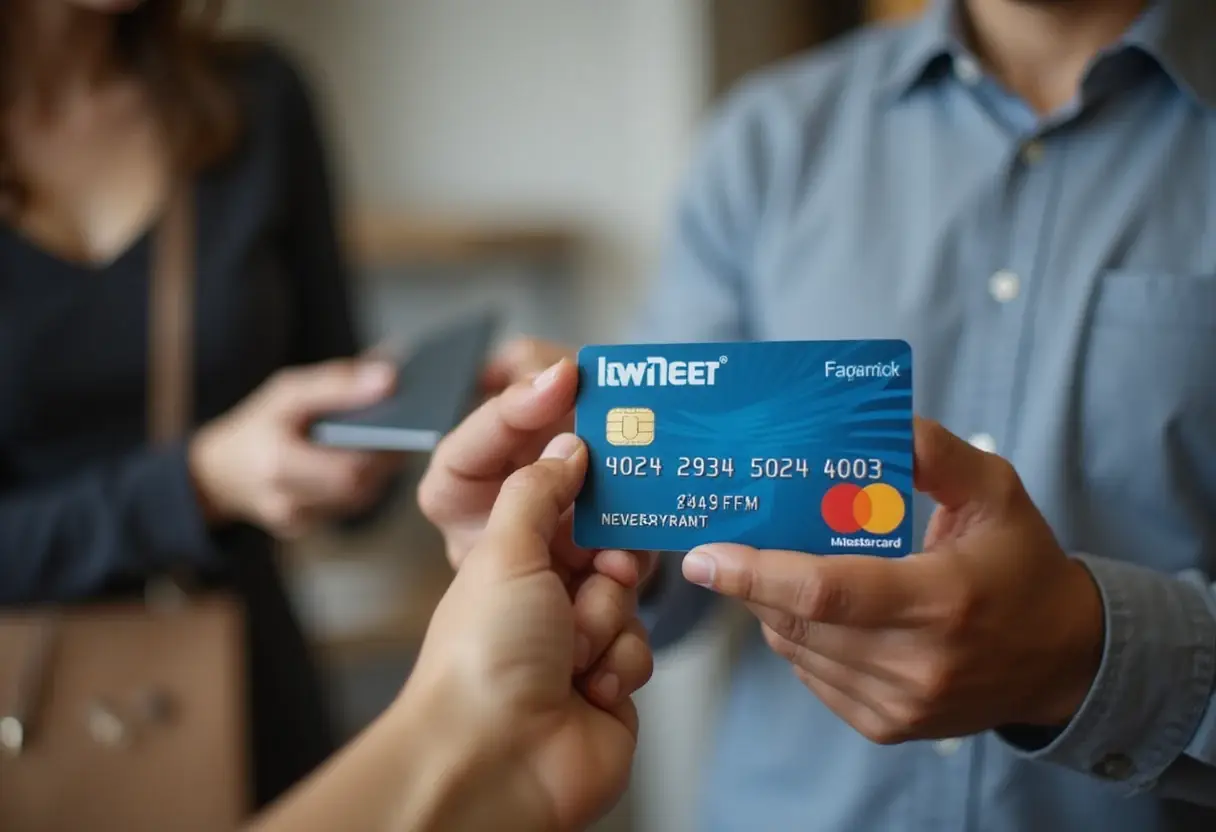
Mastercard has positioned the creator economy as its next major payments customer segment, with reporting from PYMNTS.com framing creators as merchants rather than consumers for forthcoming payment infrastructure.
By Tom Whitfield
2 min readAt a glance
- Mastercard identified the creator economy as its next payments customer segment, per PYMNTS.com
- The positioning treats creators as merchants rather than consumer-card users
- The PYMNTS.com summary did not include a launch date, product name or fee structure
- Strategic emphasis targets payout speed, cross-border fees and tax documentation for creators
- Competitors including Stripe and PayPal already operate in adjacent creator-payment territory
Mastercard has positioned the creator economy as its next major payments customer segment, according to PYMNTS.com reporting. The card network's strategic outlook now treats digital content creators as merchants rather than consumers.
The framing treats creators as businesses, not buyers. Creators process sponsorship revenue, split royalties and disburse payments to collaborators. PYMNTS.com characterized Mastercard's interest as targeting independent earners with payment infrastructure built around business operations rather than personal card spending.
What does this change for marketers?
Brand teams paying creators should expect payment products shaped specifically for sponsorship disbursement and recurring payouts. The PYMNTS.com summary did not specify product names, launch dates or fee structures, leaving practitioners with strategic direction rather than operational specifics.
The strategic positioning implies Mastercard will build toward three documented creator payment pain points. Creators wait days for platform transfers. Creators absorb elevated fees on international wires. Creators navigate complex tax documentation across multiple income streams. A card network with banking relationships and merchant-acquiring infrastructure could in theory compress settlement windows and reduce cross-border costs.
What practitioners should monitor
Watch for Mastercard partnership announcements with creator-monetization platforms. The PYMNTS.com article did not name specific partners or platform integrations, so practitioners should track official Mastercard channels for confirmation.
Marketing operations teams should flag the move to finance counterparts so procurement can evaluate forthcoming products as they emerge. Agency involvement in creator payment infrastructure varies by contract structure. Some agencies disburse creator payments through central accounts; others rely on platform-native tools.
The competitive backdrop matters. Other card networks and fintech firms already operate in adjacent territory, with Stripe, PayPal and emerging creator-focused fintechs active in the category. Mastercard's explicit naming of creators as its next payments customer raises expectations across the sector that creator-specific products will accelerate industrywide.
For agencies managing high-volume creator relationships, payment infrastructure improvements translate into operational efficiency. Faster settlement improves creator cash flow and reduces contract negotiation friction. Standardized workflows reduce administrative load on agency finance teams handling dozens of creator payouts per month.
A legal point warrants attention from practitioners. Creators qualify as merchants under payment-processing definitions. Merchant accounts carry distinct fee structures, chargeback rights and reporting obligations than consumer products. Creators operating without formal business registration will need to formalize status before accessing forthcoming Mastercard products, an onboarding step that adds friction during rollout.
Where this likely goes next
The PYMNTS.com report did not include launch timing from Mastercard. A formal product announcement or partner pilot within the next two quarters would align with typical card-network development cycles, though that timeline remains speculative absent direct company confirmation. Practitioners should treat the strategic positioning as a directional signal rather than an imminent product launch.
Source: Google News: Creator economy
Tom Whitfield
Show full bio
News editor covering regulation, policy and their impact on Social platform news and policy at Reach Brief.
Related articles
Mastercard Bets on MrBeast to Reach Creators and Gen Z
Digiday: Creator economy splitting into media buys and mega deals
OnlyFans Aims to Become the 'Shopify of the Creator Economy'
Extreme Reach Launches XR Pay for Creators to Fix Brand Deal Payments
Creators Push for TV-Style Deal Structures, Digiday Reports