Meta and YouTube Reverse Course, Will Run Ads for 'Musk' Documentary
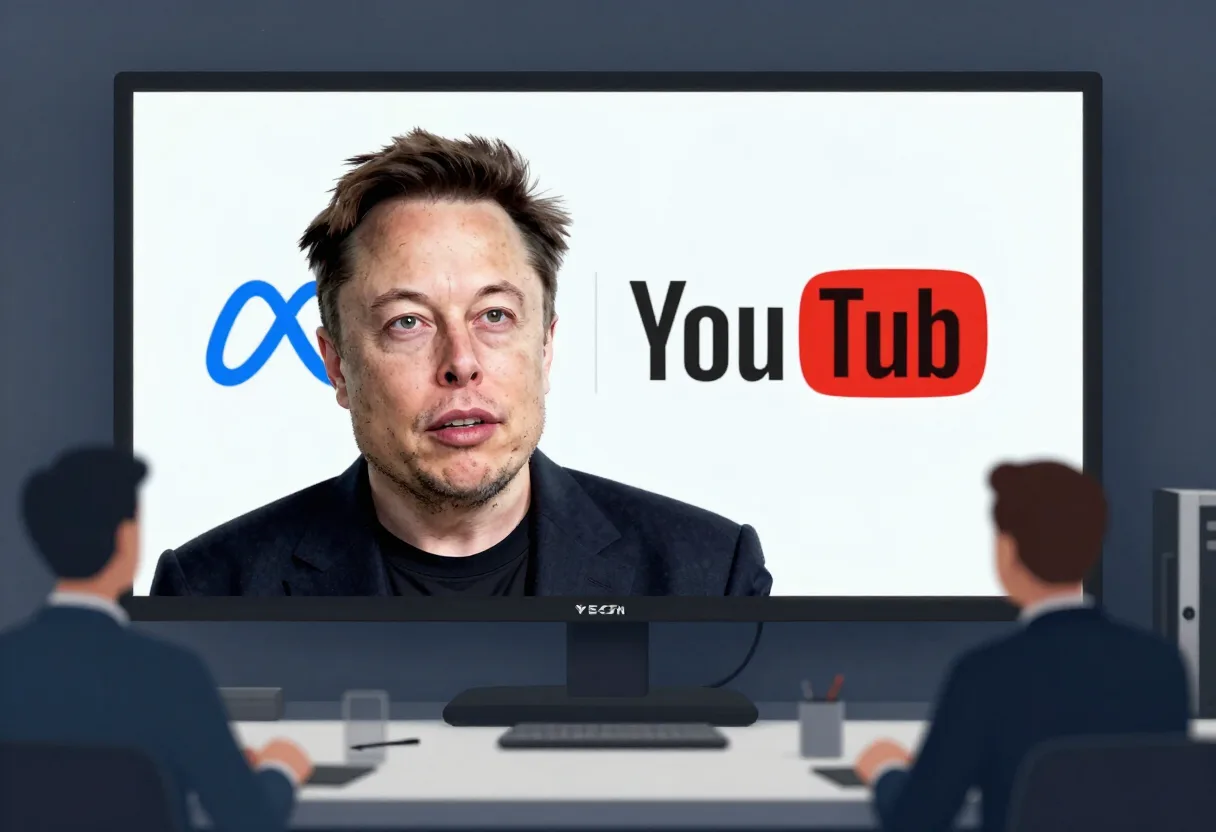
Meta and YouTube have reversed earlier refusals and will now accept ads promoting the 'Musk' documentary, TechCrunch reports, in a notable shift for charged media content.
By Tom Whitfield
2 min readAt a glance
- Meta and YouTube now say they will run ads for the 'Musk' documentary after previously refusing them, per TechCrunch.
- Neither company has publicly detailed why the ads were initially rejected or what prompted the reversal.
- The specific ad formats, markets, and rollout dates covered by the new approval remain unconfirmed in available reporting.
Meta and YouTube now say they will run ads promoting the documentary "Musk" after all, according to TechCrunch — an apparent reversal for two platforms whose ad review systems had previously rejected promotional material for the film.
The decision matters for advertisers and creators tracking how platform ad policies apply to politically and culturally charged media properties. When major platforms decline to accept paid promotion for a documentary about one of the tech industry's most prominent figures — Elon Musk — the refusal itself becomes a signal about where automated and human ad review draw lines around controversy.
The reversal, as reported by TechCrunch, indicates both companies have resolved whatever policy concern initially blocked the ads. Neither the exact scope of the new approval — which ad formats, markets, or campaign budgets it covers — nor a firm rollout date appears in the reporting currently available. Practitioners planning campaigns around the film should confirm ad acceptance directly in Meta Ads Manager and Google Ads before committing spend.
For media buyers, the episode carries a practical lesson: ad acceptance for documentary and news-adjacent content remains inconsistent across review cycles, and an initial rejection does not necessarily reflect a final policy position. Appealing a rejection, or resubmitting after public attention, can change the outcome — as this case appears to demonstrate.
The stakes for the film's distributors are real. Meta's and YouTube's ad networks reach billions of users across Facebook, Instagram, and YouTube's homepage, search, and in-feed inventory. Exclusion from those channels would force a distributor to lean on earned media, organic social, and smaller paid channels to build audience for a documentary release — a materially different and typically costlier path to scale.
TechCrunch's report frames the shift as a straightforward confirmation from both companies: they will run the ads. No statement in the available reporting specifies why the earlier refusals occurred, or what changed. Any explanation circulating on social platforms about political pressure, competitor influence, or executive intervention should be treated as speculation until the companies confirm otherwise.
Advertisers in adjacent categories — political documentaries, biographical films, and investigative journalism projects — should watch this space. If Meta and YouTube are willing to accept promotion for a documentary centered on a sitting tech executive and politically prominent figure, that may set a useful reference point for how far their ad policies stretch when commercial entertainment meets contentious subject matter.
Expect further detail on the campaign's actual reach and spend to surface once the ads begin running, at which point the practical implications for comparable film campaigns will become clearer.
Source: Google News: Social media advertising
Tom Whitfield
Show full bio
News editor covering regulation, policy and their impact on Social platform news and policy at Reach Brief.