Myntra triples creator commissions as payouts move past views
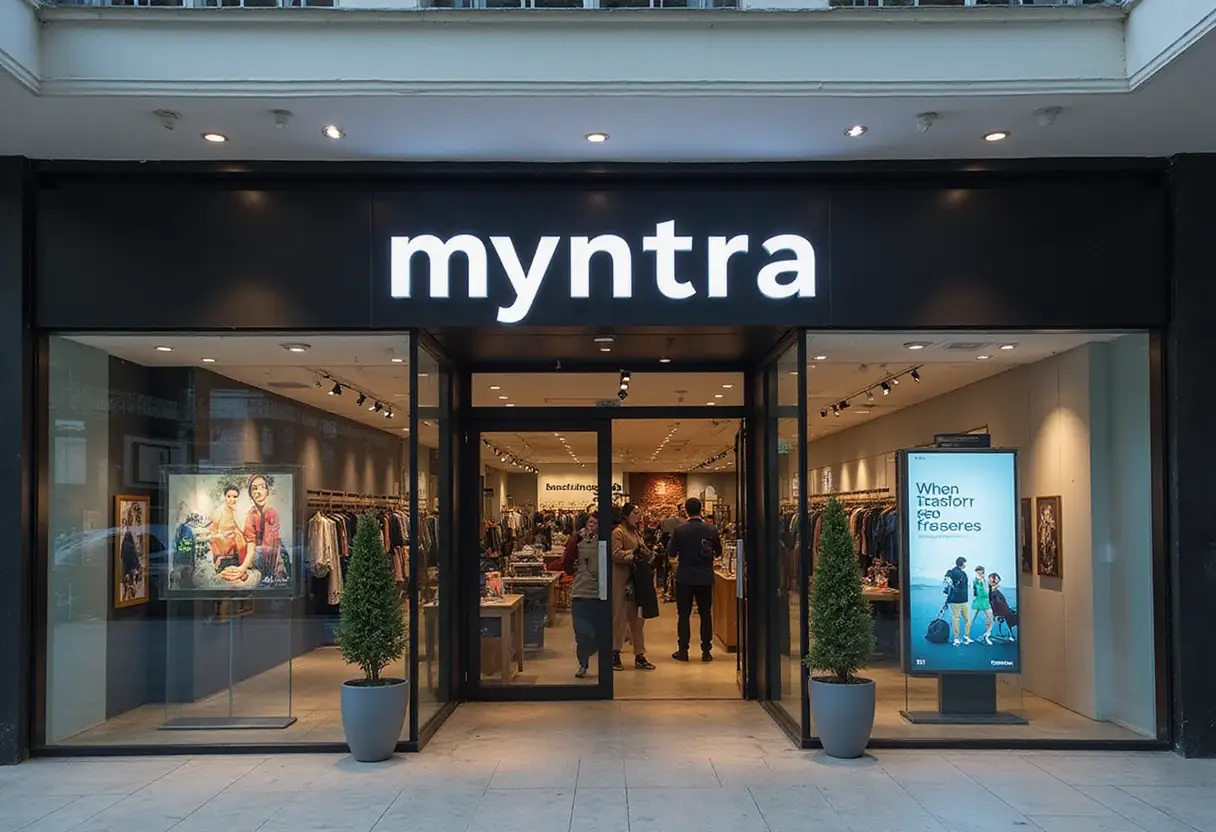
Myntra has tripled creator commissions and tied payouts to conversions rather than impressions, per StoryBoard 18. The shift reframes creator pay from reach to sales, signaling a wider pivot in the influencer economy.
By Nathan Brooks
2 min readAt a glance
- Myntra has tripled creator commissions, per StoryBoard 18
- Payouts are now linked to conversions rather than impressions
- The move is framed as the influencer economy moving 'beyond eyeballs'
- Reach no longer triggers commission on its own; attributed sales do
- The change raises the bar for rival platforms still paying primarily in impressions
By Nathan Brooks
Myntra has tripled creator commissions and tied payouts to conversions rather than impressions, StoryBoard 18 reported. The move reframes influencer pay on the platform from reach to results — a clear signal that performance-based creator deals are taking precedence over flat distribution buys.
What actually changed in Myntra's payouts?
The headline number is a 3x lift in the commission rate Myntra pays creators. The structural shift is the trigger. StoryBoard 18 framed the change as the influencer economy moving "beyond eyeballs" — meaning the platform now pays for what creators convert, not how many viewers scroll past an outfit.
Reach still opens the door to brand briefs. Sales now clear the payment bar. Creators who can't tie their content to a checkout get the same exposure, but a smaller cut.
Takeaway: Commission tripled, but the trigger switched — that's the real story.
Why does the metric shift matter more than the rate?
Commission rate and commission trigger are two separate levers, and Myntra is pulling both at once. Tripling the rate is the loud part, the one brands put in pitch decks. Switching the metric from impressions to conversions is the structural part, the one that rewires what creators film.
Together they rewrite the creator brief. "Make it go viral" becomes "make it sell." Demo videos, try-on hauls with tracked links and shoppable formats climb the payout ladder. Generic reach posts — the kind that rack up views and nothing else — get demoted, even when the view count looks great in a screenshot.
For brands buying creator partnerships on the platform, budget tilts toward high-intent creators with track records of moving product. For creators, the per-post upside grows when the post converts — and shrinks when it doesn't, regardless of how many people watched.
Takeaway: Both sides of the deal now live or die on attributed sales, not audience size.
What does this signal for the wider influencer economy?
StoryBoard 18's "beyond eyeballs" framing points to a pattern practitioners have been watching for quarters. Affiliate links, shoppable formats and tracked checkouts have been eating into the flat-fee reach deal on the supply side. A 3x commission bump from a major commerce platform lands as one of the more concrete data points of this cycle, and it raises the competitive bar for rival platforms still paying primarily in impressions.
The open question is whether competing commerce platforms respond with similar commission lifts, or hold the line on reach-based rates and watch creators migrate toward higher-payout destinations. The second outcome is the more painful one: a platform that pays creators for reach loses both the talent and the sales attribution once they leave.
Takeaway: If rivals don't follow, the talent migrates — and the platform that paid for reach ends up with neither audience nor attribution.
Source: Google News: Creator economy
Nathan Brooks
Show full bio
Staff writer covering companies, deals and strategy in Social platform news and policy at Reach Brief.
Related articles
Emerging Beauty Brands Swap Influencer Fees for Outcome-Based Pay
Extreme Reach Launches XR Pay for Creators to Fix Brand Deal Payments
Creator Economy Now Absorbs 15–25% of Brand Marketing Budgets: IIGC
Creators Push for TV-Style Deal Structures, Digiday Reports
Digiday: Creator economy splitting into media buys and mega deals