Spotify opens audiobook tools in 21 markets, adds Spanish
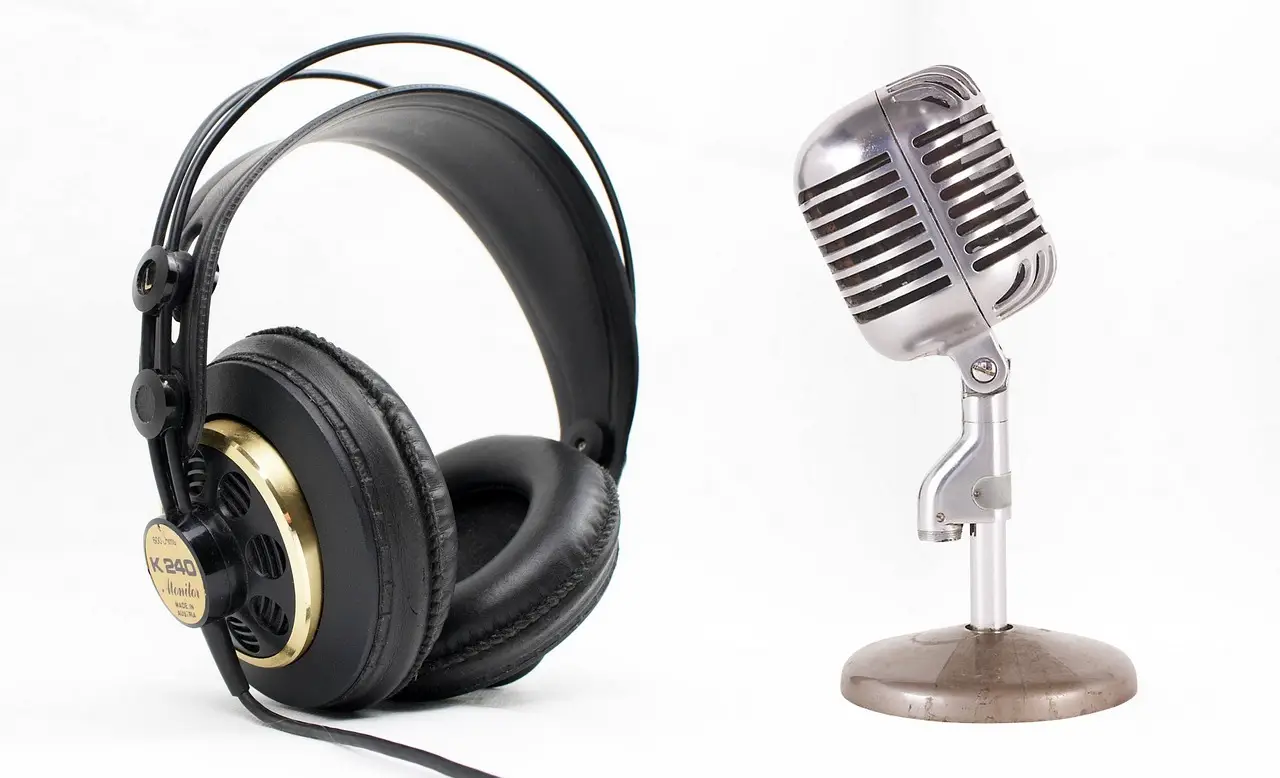
Spotify’s November 18 expansion opens digital-voice audiobook tools to 21 markets, adds Spanish conversion and gives each eligible author five free titles that can publish in 180 markets.
By Nathan Brooks
4 min readAt a glance
- Audiobook Creation Tools reached 21 additional markets on November 18, 2026.
- Authors can convert Spanish-language manuscripts into Spanish-language audiobooks.
- Eligible authors can create up to five audiobooks at no cost.
- Titles can publish in 180 markets; access requires a validated payment profile.
- Spotify says more than 60% of uploaded manuscripts have reached publication.
Spotify expanded its Audiobook Creation Tools to 21 additional markets on November 18, 2026, and added Spanish-language conversion for self-published authors. The U.S. launch came in September 2026; the new rollout reached:
- The United Kingdom, Ireland and Spain
- Canada
- Australia and New Zealand
- Mexico, Colombia, Chile, Peru, Ecuador, Guatemala, Bolivia, the Dominican Republic, Honduras, Paraguay, El Salvador, Nicaragua, Costa Rica, Panama and Uruguay
Authors can now convert Spanish-language manuscripts into Spanish-language audiobooks. Because the tools sit inside Spotify for Authors, that language expansion does not require authors to move to a separate production system.
What does the expansion change?
Spotify estimates that only about 1 million of the world’s roughly 100 million books have audiobook editions. It attributes the shortfall to production time and resource constraints. The announcement gives no independent count, so this remains a first-party market estimate.
Chester Lau, Author Growth at Spotify, said: “Bringing these tools to 21 more markets means many more stories can find listeners. And we’re particularly excited about Spanish-language support for more local-language audio creation, something we know there is untapped demand for.”
His statement supplies Spotify’s demand thesis, but the announcement does not quantify it. The expansion opens more markets for authors, but broader access does not guarantee demand for a title.
How do the audiobook tools work?
The tools live inside Spotify for Authors. An author uploads a finished manuscript as an EPUB, chooses a voice from a curated library of licensed digital voices, and can preview every chapter before release. The library now includes Spanish voices from ElevenLabs.
Authors can adjust pronunciation, and no title goes live without their approval. Each eligible author can create up to five audiobooks at no cost. Authors can publish those titles in 180 markets, but they need a validated payment profile to access the program.
Spotify describes professional narration as a craft and an essential part of the audiobook ecosystem. It presents the tools as a pathway for emerging authors and a way to release backlist titles that might otherwise never become audiobooks. Lau said: “We built Audiobook Creation Tools with a simple belief: every story deserves to be listened to, not just read.”
The workflow gives authors control over pronunciation and release. For creators, the immediate benefit is a no-cost production route with clear review points.
What do the adoption figures show?
Spotify says sign-ups for Spotify for Authors have more than doubled since the U.S. launch. Nearly two in three new authors have tried Audiobook Creation Tools. More than 60% of uploaded manuscripts have reached publication.
The company also says listeners return to these titles at the same rate as they do to other self-published audiobooks on Spotify. These are Spotify’s own figures, with no independent audit or creator sample in the announcement. For marketers, the useful benchmark is published and returned-to titles, not sign-ups alone.
How does this fit Spotify’s audiobook push?
Spotify officially supported audiobooks in 2022 and has kept adding discovery and commerce features. The November expansion sits within the following product sequence:
- Weekly Audiobook Charts, launched in March 2026 in the U.S. and U.K., rank titles overall and by genre using listening behavior and engagement data.
- Page Match lets listeners scan a page from a physical book and jump to that point in the audiobook.
- Audiobook Recaps provide short audio summaries of previously heard content.
- A Bookshop.org partnership, announced in February 2026, lets U.S. and U.K. users buy physical books inside the Spotify app.
Together, these features connect discovery, listening, navigation and purchasing without leaving the app. Spotify is building a broader route from finding a title to hearing it and buying the print edition.
What should creators watch next?\n
Creators now have three concrete levers: access to 21 new markets, support for Spanish-language books and a no-cost allowance of five titles. The 180-market publishing footprint broadens potential reach, while the reported return-rate parity keeps the retention claim grounded in Spotify’s own data. The rollout removes the tool fee for up to five titles, but neither broader distribution nor company-reported retention guarantees sales.
Publishers should track which countries convert manuscripts into published titles, whether Spanish listeners return as often, and where pronunciation revisions slow release. The announcement offers no country-level conversion, language-level retention or creator revenue data. The next test is whether broader market and language access pushes publication rates beyond Spotify’s reported 60% baseline while preserving listener return rates.
Source: netinfluencer.com
Nathan Brooks
Show full bio
Staff writer covering companies, deals and strategy in Social platform news and policy at Reach Brief.
Related articles
Spotify Retools Podcast Awards Around Plays, Keeps 50M Emerging-Market Bar
YouTube Plans Real-Time AI Dubbing for Live Streams, Pilot Slated for 2027
Spotify's Memberships Pays Podcasters 90% and Renews Over 90% of Migrated Subs
Amazon Expands Creator Monetization in India via YouTube and Pinterest
Exploding Topics Maps Creator Economy Through 2030 in New Forecast