Targeted Social Ads More Than Double Sale Chances, Provider Claims
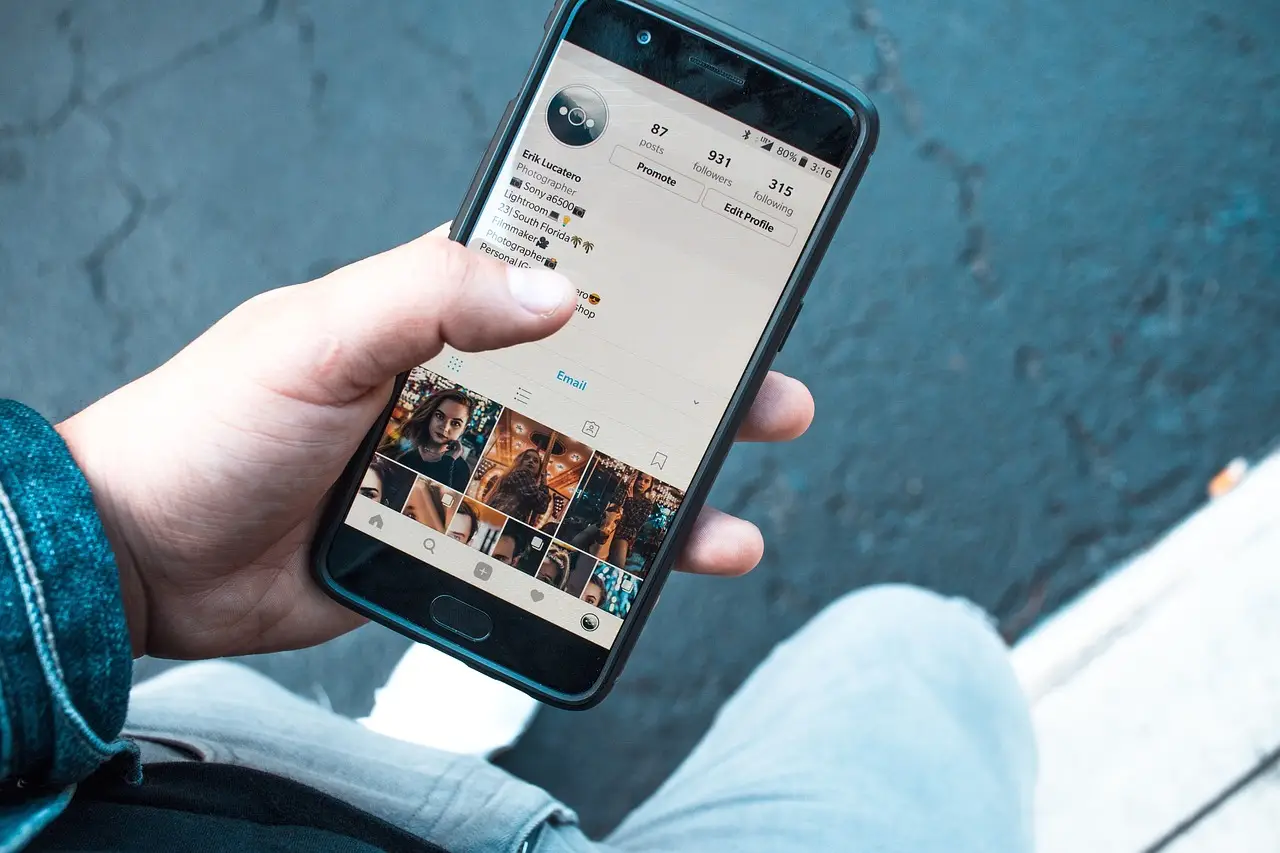
A social ad provider claims targeted campaigns more than double sale chances. The figure is vendor-reported with no published methodology — treat it as directional.
By Nathan Brooks
2 min readAt a glance
- A social media advertising provider claims targeted ads more than double the chances of making a sale.
- The figure is vendor-reported; no sample size, date range, or methodology accompanied the claim.
- The claim aligns with platform trends favoring automated, audience-based targeting over broad delivery.
A social media advertising provider claims that targeted social media ads more than double a campaign's chances of converting a sale. The figure comes from the provider itself rather than an independent measurement body, and the announcement circulating via AM-online does not specify the sample size, the verticals measured, or the date range behind the claim.
That distinction matters for practitioners. Vendor-reported benchmarks routinely outperform third-party studies because the data is drawn from campaigns the vendor's own technology served. Marketers comparing this "more than double" figure against their own conversion baselines should treat it as directional, not as a guaranteed multiplier.
What the claim does align with is the broader, well-documented trend across major platforms. Meta, TikTok, and Google have all pushed advertisers toward their automated, audience-targeting products in recent years, arguing that machine-driven targeting outperforms manual audience selection. Platform benchmark reports have consistently shown interest-based and behavior-based targeting delivering higher conversion rates than broad placement, particularly in considered-purchase categories such as automotive and financial services.
For budget holders, the practical implication is straightforward. If targeting genuinely doubles conversion probability, the effective cost per acquisition of targeted campaigns could remain competitive even at higher CPMs — a calculation worth running against last quarter's numbers before shifting spend. Social CPMs have stayed elevated across 2024 and into 2025, so any lift in conversion odds directly affects the return side of the equation.
For social teams, the claim reinforces the case for segment-level creative and audience testing rather than blanket reach buys. The advertisers most likely to see a doubling effect are those pairing precise targeting with creative built for the targeted segment — a combination platforms have rewarded algorithmically as engagement signals grow more decisive in ad delivery.
Caveats apply. The provider has not published methodology alongside the headline figure, and no independent verification was available at the time of writing. Until the underlying data is released, teams should test the hypothesis against their own accounts: run structured A/B comparisons between broad and targeted delivery, measure cost per acquisition rather than click-through rate alone, and let first-party results drive spend decisions.
Expect more vendor benchmarks of this kind as competition for social ad budgets intensifies — and expect the claims to arrive faster than the evidence supporting them.
Source: Google News: Social media advertising
Nathan Brooks
Show full bio
Staff writer covering companies, deals and strategy in Social platform news and policy at Reach Brief.
Related articles
X Rolls Out Rebuilt AI-Powered Ad Platform for Marketers
TikTok Expands Market Scope With New Modules and Mid-Funnel Ad Objective
Social Media Ads to Reach $640 Billion and Nearly Half of All Online Ad Revenue by 2030, Omdia Forecasts
Social Media Ad Revenue to Hit $640 bn by 2030
X Targets Creator-Brands Linkup With New Ad Product