YouTube Public View Counts Now Include Estimated TV Co-Views
YouTube now adds estimated TV co-views to public view counts as of November 16, lifting the number brands see while leaving Partner Program payouts unchanged.
By Tom Whitfield
3 min readAt a glance
- YouTube added estimated TV co-views to public view counts on November 16, 2025.
- The change applies only to TV screens; mobile, desktop and tablet playbacks still count as one view each.
- Partner Program earnings and eligibility do not change; engaged views exclude co-views.
- YouTube held a record 15.8% of U.S. TV viewing in August, per Nielsen's Media Distributor Gauge.
- The old "Views (Co-viewed)" metric stays in Studio Advanced Mode until May 2027.
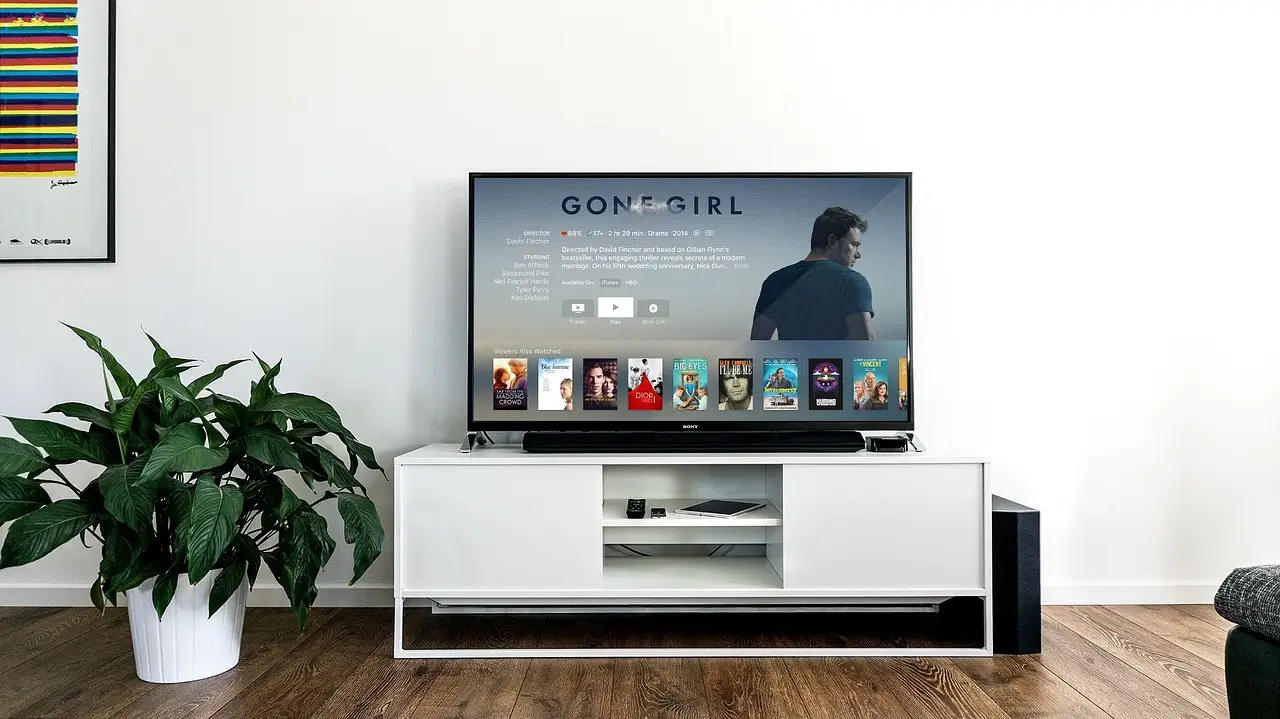
YouTube began adding estimated "co-views" to public view counts on November 16, crediting extra views when its model judges that several people are watching one video on a shared TV screen. TeamYouTube announced the change in a post on the platform's Help Community forum. The update applies only to TV playbacks; mobile, desktop and tablet views still count as one view each.
"Until now, one TV playback has only counted as a single public view, even if several people watched together on the same living room screen," the post reads. "Starting today, public view counts on video watch pages will include estimated co-views." YouTube had tracked these playbacks privately in Studio under a metric called "Views (Co-viewed)." That number now feeds the figure every viewer and brand sees under a video.
How does YouTube estimate co-views?
A model built by Google research scientists uses demographic patterns, content metadata and viewing times to judge when more than one person is in the room. YouTube states that it never uses cameras, microphones or device sensors to measure co-views.
Creators get a new private metric, "co-view rate," in Advanced Mode under Device Type in YouTube Studio Insights — the renamed Analytics section YouTube began testing in July. YouTube's example: a rate of 1.10 means that for every 1,100 TV views, 1,000 came from the device playback and 100 came from co-viewers. Dividing total views by the rate returns the count without co-views. The rate varies by video, audience demographics and region, and can shift as new co-views are added.
What does this change for payouts?
Nothing directly. YouTube Partner Program earnings stay tied to "engaged Shorts views" and "engaged watch hours," and eligibility stays tied to qualified views and watch hours, according to YouTube's updated Help Center page. That page also states that engaged views do not include co-views.
The move is the second view-count change in three months. Effective August 24, YouTube began counting a public view from the first frame of playback across long-form videos, Shorts and live streams, ending the roughly 30-second threshold creators had long assumed applied to long-form views. At the time, Alessandra De Benedetti of Recurrent Ventures told Net Influencer the shift made the case for brands to buy on engaged views and TV share more urgent.
Where the boost lands hardest
Co-views push counts higher on the screen where YouTube is growing fastest. YouTube captured a record 15.8% of all U.S. TV viewing in August, according to Nielsen's Media Distributor Gauge, ahead of every other media distributor. YouTube says viewers watch more than 1 billion hours of YouTube on TVs every day, and it reported in 2025 that the number of channels earning six figures or more from TV screens grew more than 45% year over year.
Advertisers have bought YouTube on a co-viewed basis for years. In 2022, Google said a study with Nielsen found multiple adults watching YouTube together on TV 26% of the time, against 22% for linear TV, and added co-viewing to Nielsen's ad reporting for YouTube connected TV campaigns. The Video Advertising Bureau and TVision read the data differently: their February study put YouTube's co-viewing at 45% of impressions against 60% for premium streaming services, ranking YouTube 18th among platforms measured.
Co-viewing also varies by creator size. An October TVision study found that large creators such as MrBeast generate more co-viewing than smaller channels, while niche creators draw more solo, attentive viewing. The boost to public counts should therefore be largest for channels already built for the living room — the category Spotter has labeled "Creator TV." YouTube pitches the change to creators as "more data for brand deals." The older "Views (Co-viewed)" metric remains available in Studio's Advanced Mode until May 2027.
Source: netinfluencer.com
Tom Whitfield
Show full bio
News editor covering regulation, policy and their impact on Social platform news and policy at Reach Brief.