A $200,000 Video Format Now Costs $1,000, and One Filmmaker Is Proof
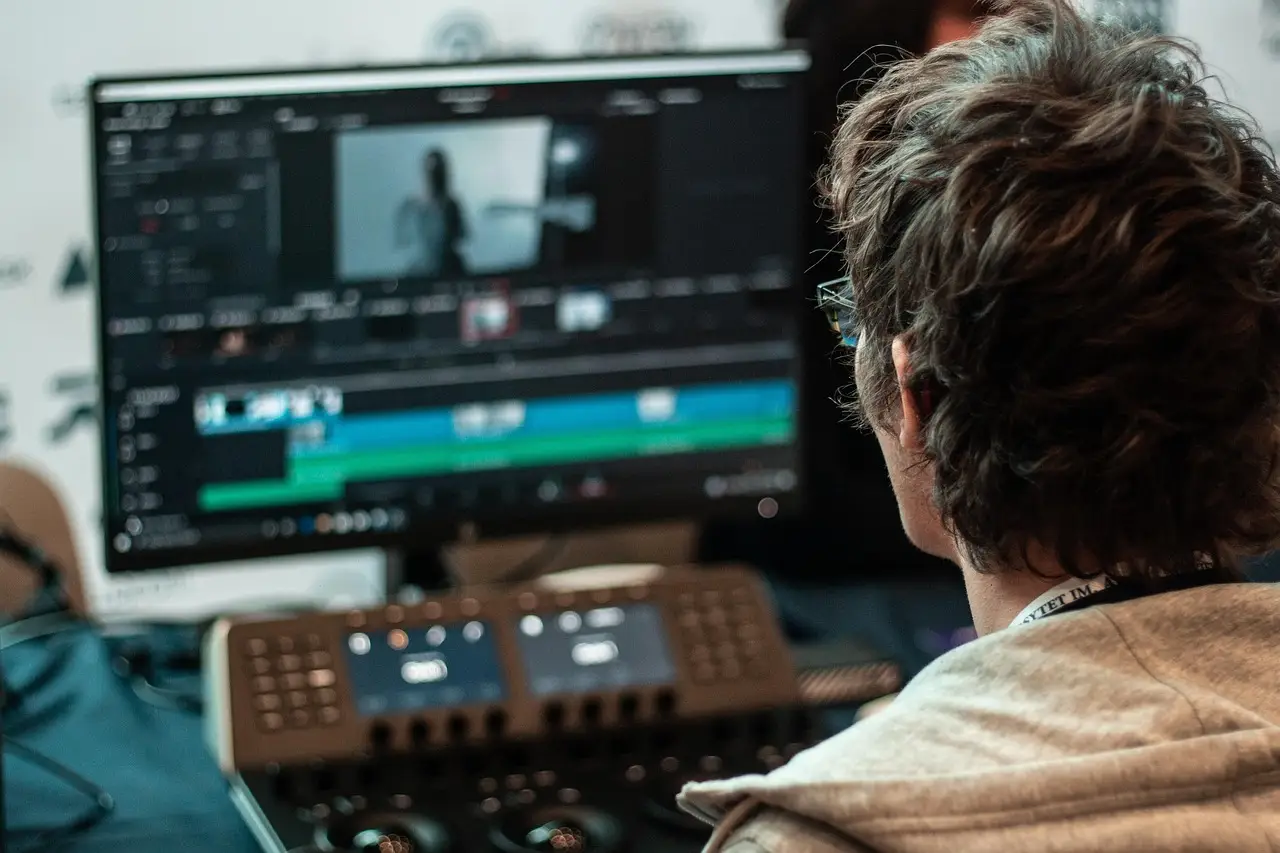
Filmmaker Ari Kuschnir makes viral AI satire for about $1,000 in six to eight hours — work that once cost $200,000 and a full crew. Editing skill, he says, is the superpower.
By Marcus Bennett
3 min readAt a glance
- Ari Kuschnir produces satirical AI videos for roughly $1,000 in 6-8 hours, versus ~$200,000 and a production team a decade ago
- He uses AI tool Seedance for scripts, images, and moving scenes; his videos have drawn millions of views on YouTube and X
- Kuschnir sold his production company m ss ng p eces in 2021 after building it from 2005 in New York
- One scene replacement that would have required a reshoot took about 40 minutes with AI
- He publishes the recurring series 'The Everything Computer,' satirizing the AI industry
A video format that cost roughly $200,000 and a full production team a decade ago now takes Ari Kuschnir six to eight hours and about $1,000 in direct costs — working entirely alone. The Hollywood veteran, who spent more than two decades producing commercial work for major brands, says AI tools have collapsed the economics of satirical short-form video, and his results are drawing millions of views on YouTube and X.
Kuschnir, 46, uses AI tools such as Seedance (a video-generation model) to write scripts, generate images, and turn them into moving scenes. His videos place AI-generated versions of tech industry executives into bizarre scenarios styled as cheesy 1980s infomercials or retro crime dramas. He still makes the key creative decisions — choosing what works, refining jokes, and assembling the final cut. In one recent project, he decided a scene needed changing and generated an entirely new section in about 40 minutes instead of organizing an expensive reshoot.
What does this change for solo creators?
The production stack itself. Work that previously required actors, cameras, sets, lighting crews, and extensive editing now runs through a single practitioner with strong editorial instincts. "Editing is the superpower," Kuschnir said. His core skills — storytelling, humor, and an instinct for what makes people laugh — are what the technology can't replace, while everything around them gets automated away.
The scale shift is the point. Without AI, Kuschnir says, most of these videos would simply never get made; he wouldn't have the time or the budget. The barrier isn't production capacity anymore. It's having something original to say.
Not a remix, and not "AI slop"
Kuschnir draws a hard line between his work and the flood of AI videos recycling familiar TV shows. Cloning characters' voices from "The Office" or "Seinfeld" and making them say something new is easy, he argued — and it's not what he's doing.
"To me, that's a remix," he said. "I don't think what I'm doing is a remix." His output includes original characters, stories, and formats, including a recurring series, "The Everything Computer," which satirizes the AI industry's own ambitions.
He's also candid about the downside. AI makes it easier than ever to produce terrible content, and he argues the technology can actively make creators worse at their craft if they lean on it too heavily. The quality comes from the two decades of professional judgment he brings to every cut — not from the generator.
A detour through burnout and fire
Kuschnir's path here was indirect. Born in Colombia, he studied filmmaking, moved to New York in 2005, and built the commercial production company m ss ng p eces (the typos are intentional), working with major brands and directors before selling the business in 2021. As the company grew, management crowded out making things. "It starts with your dream, and then it becomes this real big machine, and you're like, 'But I have all these other dreams,'" he said.
The Palisades fire in Los Angeles reshaped his life again: his house survived, but his daughter's school and much of the surrounding community were destroyed. He sold the smoke-damaged property and moved his family to Ojai, California.
Now he's creating without asking anyone for permission or a production budget. "We just got the keys to the imagination castle," he said — and if his numbers hold for other practitioners, the $200,000-to-$1,000 collapse will do more to reshape independent video than any single platform policy.
Source: feeds.businessinsider.com
Marcus Bennett
Show full bio
Market editor covering money, funding and market shifts around Social platform news and policy at Reach Brief.
Related articles
AI tools push creators to publish more with leaner teams
YouTuber Cuts Video Production From 22 Hours to Under 60 Minutes With AI
YouTube's New AI Tools Signal the Creator Economy's Shifting AI Stance
JEEVMEDIA spins out EYDIT as dedicated post-production arm for creators
AI Cuts Short-Form Video Costs From $5,000 to $5 — and Makes Ideas the Expensive Part