Adobe Opens Creative Cloud to Third-Party AI Agents Via MCP
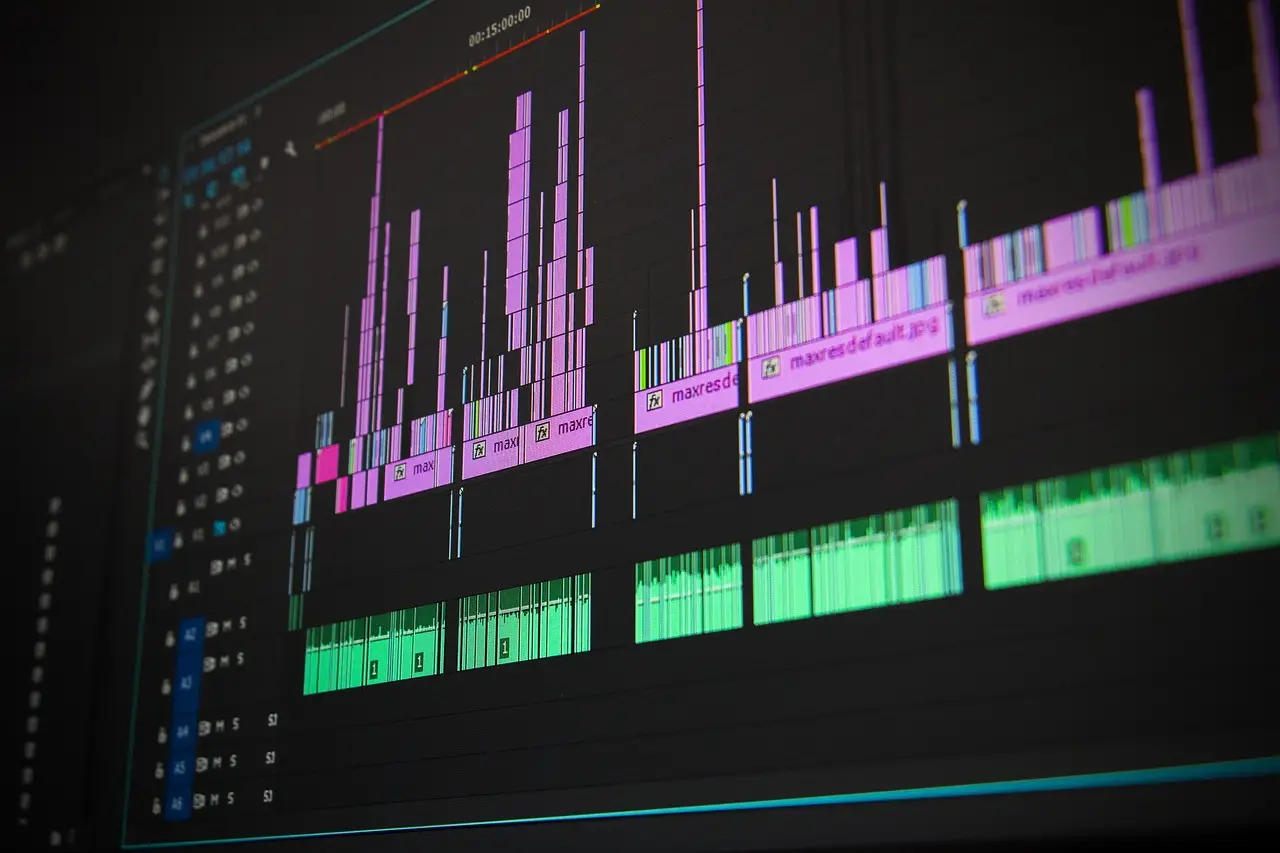
Adobe will let ChatGPT, Claude and Gemini work directly inside local Photoshop and Premiere projects via MCP integrations, entering beta in early 2027 with open questions on liability and cost.
By Tom Whitfield
4 min readAt a glance
- Adobe announced local MCP integrations at its Max conference, letting ChatGPT, Claude and Gemini work inside local Photoshop, Illustrator, Premiere and After Effects projects.
- The local MCP integrations will not enter beta until early 2027.
- Adobe's Creators' Toolkit Report surveyed more than 2,000 U.S. creators; 77% say final creative decisions should stay with humans.
- The After Effects beta began charging credits for its AI Assistant on November 6, 2026.
- Adobe launched the Claude connector in April 2026 and brought the same ability to Gemini in September 2026.
Adobe announced at its Max conference that third-party AI agents such as ChatGPT, Claude and Gemini will work directly inside local Photoshop, Illustrator, Premiere and After Effects projects through what it calls local MCP integrations. The feature will not enter beta until early 2027, Adobe confirmed.
MCP is the Model Context Protocol, an open standard Anthropic created in late 2024. It functions as a universal adapter that lets any AI agent plug into any software tool. In Adobe's case, outside agents would gain access to layers, vector paths, footage bins and sequences on the user's own machine. Projects remain editable by hand, and users can, in Adobe's words, "step in at any moment." The desktop apps must be installed and licensed, because the agent works locally in project files with the full depth of the desktop tools.
What does this change for creators?
Until now, the flow ran the other way. Since December 2025, ChatGPT users could call on Photoshop, Express and Acrobat from within OpenAI's service. In April 2026, Adobe launched a connector giving Claude access to more than 50 tools from Photoshop, Illustrator and Premiere inside Anthropic's cloud service. The same ability reached Google's Gemini in September 2026.
In all those cases, the user dropped a file into a conversation with the AI, and Adobe's tools processed it remotely. The new local integrations flip the direction of control. The third-party agent enters the creator's own project files, on the creator's own licensed software.
Adobe frames the move as customer-driven. "Many creative professionals already use third-party agents that connect to MCP-enabled apps for parts of their production workflow, and they've told us they want those agents to work with the tools they trust to finish the job," the company said in an email.
The survey numbers behind the pivot
Adobe released its Creators' Toolkit Report alongside the announcement, based on a survey of more than 2,000 U.S. creators. The figures show a gap between intention and outcome:
- 77% say the final creative decision should always remain with the human, even when using agents.
- 68% of creative AI users say they at least sometimes settle for results that do not fully match their vision.
- 59% say agents save them time.
- 36% say agents helped them finish projects that were previously too complex.
Forest Key, Adobe's VP of Firefly and Agentic AI, described a three-stage framework in June: an assistant that strips away drudgery, an AI thought partner, and finally agents running full automations with periodic human check-ins. A June demonstration showed an agent in Premiere sorting randomly named files into bins, renaming and tagging clips, syncing footage from three cameras with a separate audio track, and marking timeline points where interviewers asked questions.
New capabilities announced at Max
Adobe is also previewing always-on agents, arriving first in the Firefly AI Assistant, that handle recurring background work such as organizing incoming assets, checking quality and preparing content for different channels. Creators set the goal, review the plan and approve the results.
The Adobe Creative Agent, rebranded from earlier agentic tools, gains several functions. In Firefly, the assistant can now remember formats, colors, brand guidelines and characters across projects. A new Plan Mode lets users review, edit and approve the agent's plan before it executes, and a model selector lets them choose which AI model does the work.
In desktop Premiere, the agent can apply effects across every clip in a sequence, track masked subjects through a frame, and adjust color and exposure across an entire sequence at once. Premiere mobile receives the agent in private beta, with the ability to turn footage into editable first cuts using plain-language instructions.
Unanswered questions on liability and cost
Adobe's rollout leaves open questions about accountability. Asked where liability sits between Adobe, the agent provider and the creator when a third-party agent corrupts a sequence, generates licensing-toxic content or burns through generative credits, Adobe pointed only to its answer that MCP remains a preview. On whether third-party agent actions will carry Content Credentials, Adobe's provenance standard, the company said it is "working through how provenance will be supported." On cost, creators will be able to set parameters and review plans before always-on agents run, and Adobe says it is "exploring ways to provide an upfront estimate."
Credit consumption is already a live issue for Adobe's own assistants. The After Effects beta began charging credits for its AI Assistant on November 6, 2026.
Beyond creative apps, Adobe says a single Adobe Creative Agent now powers the Firefly assistant, the Creative Cloud assistants and the Premiere mobile private beta, while a service called CX Enterprise Coworker in GenStudio orchestrates agents across brands' content supply chains.
The strategic stakes are considerable. If MCP works as billed, Creative Cloud becomes the workbench on which any trusted AI subcontractor operates, with Adobe supplying the bench rather than the brain. Before the early 2027 beta arrives, creators and legal teams will want answers on provenance, liability and credit costs that Adobe has not yet provided.
Source: fastcompany.com
Tom Whitfield
Show full bio
News editor covering regulation, policy and their impact on Social platform news and policy at Reach Brief.
Related articles
NHL Taps Adobe as Official AI Partner Across All 32 Teams
YouTuber Cuts Video Production From 22 Hours to Under 60 Minutes With AI
CreatorDB launches API v3 and an MCP server for creator data
OpenAI Launches Dots, an Always-On AI Agent to Rival Meta's Muse
YouTube's New AI Tools Signal the Creator Economy's Shifting AI Stance