CCTV receipts and spam filters: how small businesses fight influencer entitlement
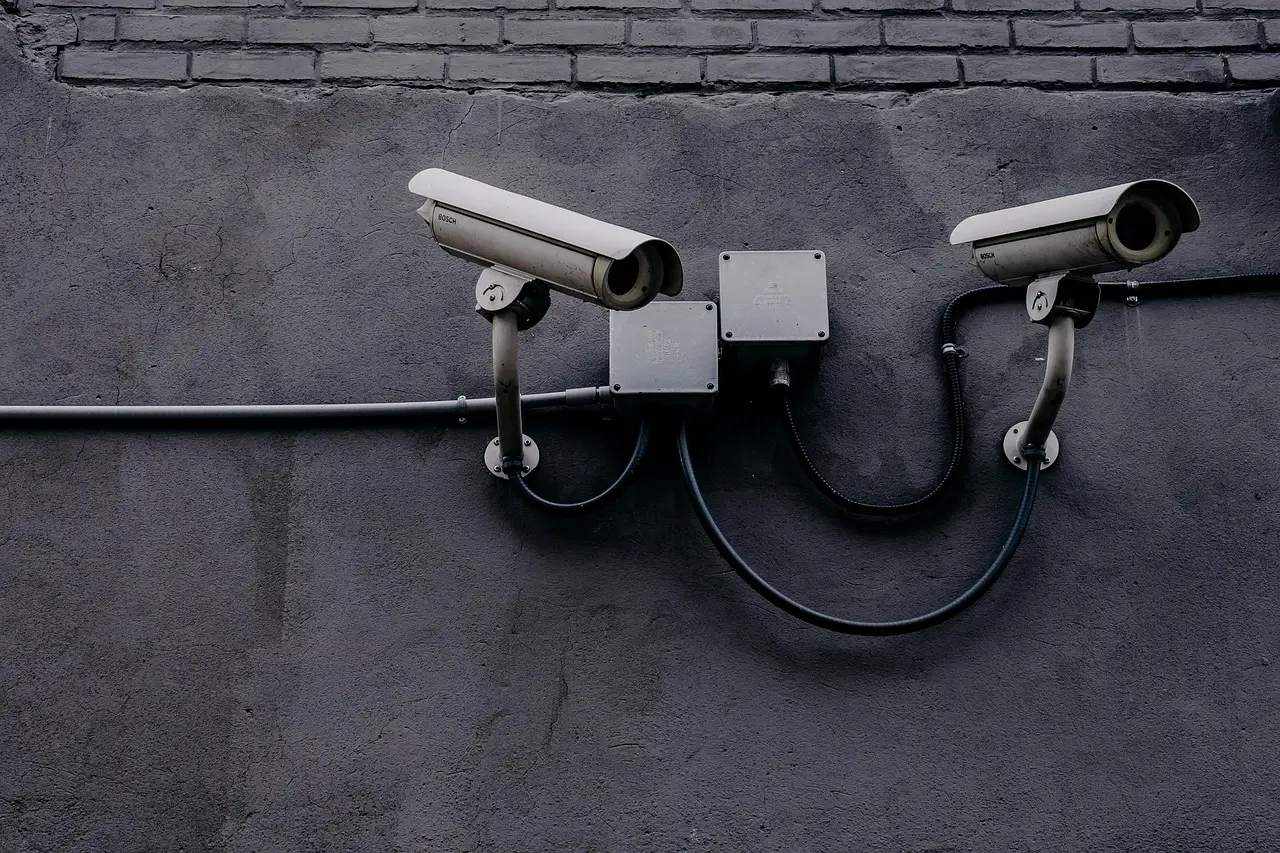
A cat cafe's CCTV rebuttal drew 640,000 views. Owners from London to Nantucket are posting receipts, banning creators and filtering 'collab' emails to spam.
By Nathan Brooks
4 min readAt a glance
- Brews and Mews' CCTV response video drew over 640,000 views; the influencer had 170,000 followers
- Forbes values the influencer economy at $250bn, projected to nearly double by 2027
- Borough Market requires permits for filming crews larger than two, after ejecting vloggers in November
- A 100,000-follower influencer left Kipferl with a disputed £300 bill in 2024
- Halfsies' founder's 'beginner astronaut' reply drew 17,000 Instagram likes
A cat cafe owner's CCTV clip hit 640,000 views after she used time-stamped footage to disprove a TikTok review from a creator with 170,000 followers — one flashpoint in a widening fight between small businesses and the $250bn influencer economy.
Nicole Flanagin, 41, runs Brews and Mews in Lenoir, North Carolina. In March, a friend sent her a link at 1.37am to a local influencer's TikTok claiming staff coldly turned away her crying daughter because she'd got the visiting hours wrong. Flanagin knew which cafe she meant — hers is the only animal cafe in the area, with foster cats and restricted hours for children six and under.
What did the security footage actually show?
No formal complaint had arrived, and no employee had flagged the incident. So Flanagin pulled the cameras. The footage showed a conversation under 40 seconds at the till, a brief look at the cats in the window, and a quiet exit — no tantrum, no gawking staffer. "I started watching, and I was, like, 'This did not happen,'" she says. A day and a half later she posted the CCTV to her TikTok. The creator deleted the review and apologised: "I was upset as a parent and clicked that post button before I really thought about what would happen."
Flanagin isn't alone. When Kelly Clarkson complained online about Brooklyn's Art of Play refusing to sell her a $15,000 mechanical bird, the shop answered with surveillance footage — and jacked the price up to $15m. The takeaway: camera footage is becoming the small-business rebuttal of choice.
What does the freebie economy cost owners?
Hubert Zanier, owner of London Austrian restaurant Kipferl, hosted a 100,000-follower influencer in 2024. She arrived with her partner, her parents and their dog, ordered two £38 bottles of red and nearly £40 of schnapps, and ran up a £300 bill. The promised post never came. She fobbed him off for months — "at the moment my creative juices are not flowing" — then screamed at him when he finally sent the invoice. Nine months on, he wrote it off.
Lucy Herron, founder of British shoe brand Sloafer, says one influencer refused to publicly thank her for £225 ballerina trainers in case the tax authorities noticed — HMRC counts gifted products as taxable income. The eventual post showed the woman in black pumps at the back of a dark room. "It was like collaborating with a ninja," Herron says. She still left a polite comment. "You have to keep playing the game."
The math keeps owners hooked. "You can sell 50 pairs of shoes in 24 hours," Herron says. Forbes puts the influencer economy at $250bn, nearly doubling by 2027. David Maffei of Halfsies Cookie Company says a post from model Amber Lancaster's 500,000 followers meant "we sold out for months." But he now posts copy-paste freebie requests to a "Hall of Fame" on Instagram. When a bride-to-be with 1,300 followers called herself a "beginner influencer," he replied: "And I'm a beginner astronaut." That exchange drew 17,000 likes and coverage in People.
How are businesses defending themselves?
Some just ban the channel. Four Winds Craft Guild in Nantucket went viral for its "no influencers" sign — and got accused of misogyny, with influencer Levi Coralynn arguing the criticism had slid into "hate women who participate in it." Herron faced the same charge after unfollowing 250 female-owned accounts. "I'm trying to run a profitable business," she says.
Borough Market in London now requires clearance and a permit for anyone filming with more than a two-person crew or professional gear, after security ejected the vloggers Bite Twice in November. Reshmi Bennett of Anges de Sucre — who publicly called out Made in Chelsea's Binky Felstead over a gifted-cake request and joked her energy supplier "insists on being paid in actual money rather than exposure" — filters emails containing "sponsorship" or "collaboration" into spam. Essex balloon artist Anastasia Powers, who gets up to 10 freebie requests a month, shares screenshots with fellow owners in a WhatsApp group.
PR veteran Josh Wheeler of Be Broadcast, who has brokered influencer deals for 15 years, says bad actors span every tier — "nightmares and angels in all" — and advises getting deliverables in writing early. Flanagin, for her part, has no regrets despite local backlash: "I said it with my whole chest. And I would say it all day, every day, again and again." Expect more receipts, permits and spam filters as the $250bn economy keeps growing.
Source: theguardian.com
Nathan Brooks
Show full bio
Staff writer covering companies, deals and strategy in Social platform news and policy at Reach Brief.
Related articles
Dental Coworkers Turned 'Lowlights' Comedy Into Five Brand Deals
TikTok Outage Hits 36,000 Reports Days After US Ownership Deal
TikTok's For You Page redesign or 6% of global revenue in fines
Court Records: TikTok Staff Warned Execs on Child Safety Risks
Instagram's AI Disaster Video Reaches 700 Million Views