Celebrity Beauty Brands Claim Half of Creator-Marketing Top 10
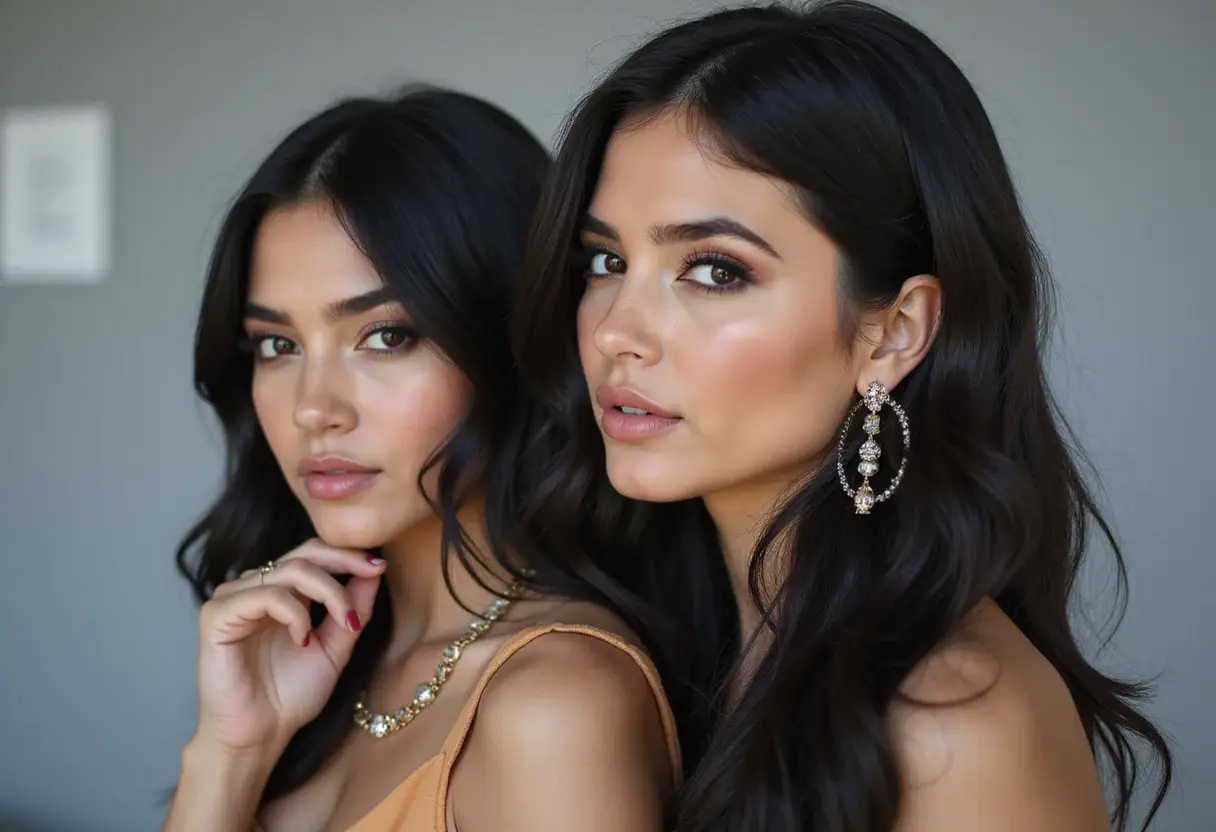
Traackr's 2026 report finds five of 2025's top 10 beauty brands by creator marketing were celebrity-founded. TikTok Shop's health-and-beauty sales topped $4.4B, ranking fourth among U.S. e-commerce retailers.
By Marcus Bennett
3 min readAt a glance
- Five of the top 10 beauty brands by 2025 creator marketing performance were celebrity-founded, per Traackr's Creator Advantage 2026 report (October 1)
- E.l.f. Beauty agreed in 2025 to acquire Hailey Bieber's Rhode for up to $1 billion; Rare Beauty carries an estimated $2.7 billion valuation
- Top beauty brands in Traackr's VIT analysis averaged 687,000, with creator volume up 66% year-over-year to 22,100 and average audience size down 30%
- TikTok Shop is now the fourth-largest U.S. health and beauty e-commerce retailer with $4.4 billion in category sales, per NielsenIQ
- Gwen Stefani's GXVE Beauty shut down in early 2026 and Drew Barrymore's Flower Beauty ceased operations in September 2025
Five of the top 10 beauty brands by creator marketing performance in 2025 were celebrity-founded, according to Traackr's Creator Advantage 2026 report published October 1. The list includes Kylie Cosmetics (No. 2), Rare Beauty (No. 3), Rhode (No. 4), R.E.M. Beauty (No. 5) and Huda Beauty (No. 6).
That reach translates into measurable enterprise value. E.l.f. Beauty agreed in 2025 to acquire Hailey Bieber's Rhode in a deal worth up to $1 billion. Selena Gomez's Rare Beauty carries an estimated valuation of roughly $2.7 billion.
Why does celebrity fame still move product here?
Traditional beauty startups must spend heavily to manufacture awareness. Celebrity founders launch with direct access to millions of consumers, and Fortune frames those built-in audiences as "built-in customer-acquisition engines for their own brands."
But fame alone cannot guarantee survival. Gwen Stefani's GXVE Beauty shut down in early 2026. Drew Barrymore's Flower Beauty ceased operations in September 2025. The contrast undercuts any simple "followers equal sales" thesis.
What does the Traackr data actually show?
Traackr scores creator marketing performance with its VIT framework: volume, frequency, content performance and audience size. Beauty posted the highest industry-level VIT score in the analysis, with top brands averaging 687,000.
Behind that headline figure sits a more complicated picture:
- Creator volume climbed 66% year over year to 22,100 creators
- Creator frequency rose 6%
- Average audience size fell 30% year over year
- Content performance slipped 1%
The numbers suggest effectiveness now depends on creator quality rather than sheer quantity. More voices on a campaign, smaller individual reach, broadly similar content returns.
Where does TikTok fit into the rankings?
TikTok was the only major platform in the Traackr analysis to post consistent year-over-year gains across every VIT pillar. The app's discovery-first algorithm lets small creators reach large audiences regardless of follower count, which favors emerging beauty brands over legacy advertisers.
Instagram told a quieter story. Creator participation rose there while engagement and views declined. Simply publishing more no longer guarantees stronger performance.
Discovery on these platforms now flows directly into checkout. According to NielsenIQ data cited by Fortune, TikTok Shop ranks as the fourth-largest health-and-beauty e-commerce retailer in the U.S., with category sales topping $4.4 billion.
Can any creator with a following launch a brand?
Not according to the talent side. Ashley Villa, founder of talent agency Rare Global, drew a sharper line in comments to Forbes: "Not all creators will be able to launch their own brands. The ones that move the needle are those who are evolved in their thinking and are involved in every step of the process from sourcing to marketing and not just promotional."
That distinction helps frame the failed celebrity launches. Consumers may try once because of a founder's name, but repeat purchase depends on whether the product itself justifies the attention.
What should beauty marketers track next?
The winners in this report pair visibility with operational involvement: sourcing, formulation, distribution. Brands that treat celebrity reach as a substitute for product rigor (GXVE, Flower) keep shutting down.
As TikTok Shop climbs further into U.S. beauty e-commerce and platform algorithms keep rewarding small, video-first voices over established follower bases, expect the brands that convert attention into repeat customers to keep absorbing share from those still chasing reach for its own sake.
Original: fortune.com
Marcus Bennett
Show full bio
Market editor covering money, funding and market shifts around Social platform news and policy at Reach Brief.
Related articles
Creator Content Is Driving Retail Sales — and Brands Have the Numbers
Cakes Body Launches Cakes Media to Turn TikTok Virality Into Profit
Lush Grew to $982M Without Paid Social Ads — Five Years On
Emerging Beauty Brands Swap Influencer Fees for Outcome-Based Pay
Creator Marketing Budgets Hit $4.8M Average as ROI Inequality Widens