Creator Marketing Hits $116B in 2026 as Brands Shift Ad Production
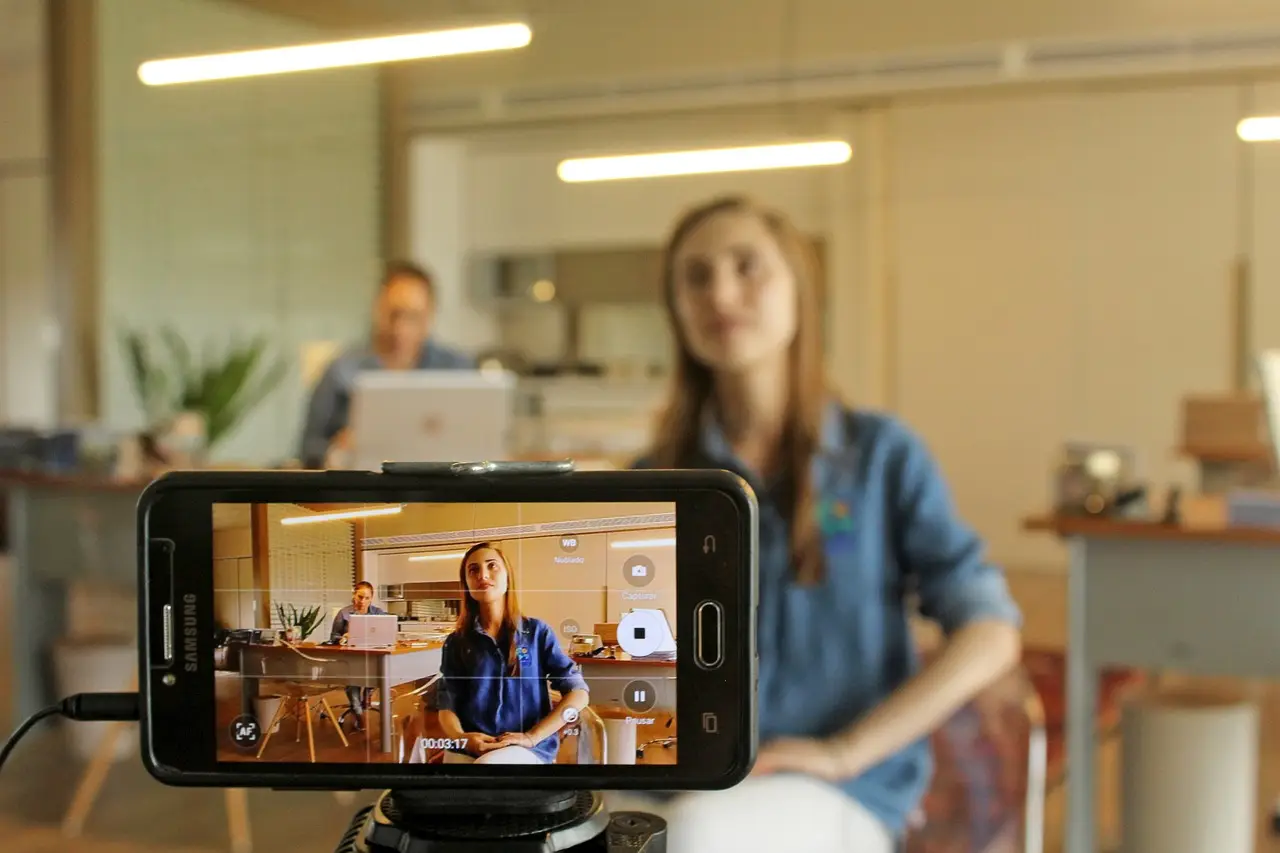
Creator marketing reaches $116 billion in 2026, growing 12% annually — twice the pace of overall ad spend — as brands push production to creators.
By Sophie Lindqvist
4 min readAt a glance
- Global creator marketing spending will hit $116 billion in 2026, per Madison & Wall.
- Creator spending is forecast to grow 12% annually until 2030, versus 6% for advertising overall.
- Paid amplification of creator content accounted for $52 billion, or 44%, of 2026 creator spending.
- Creator-produced ad assets are the fastest-growing segment, rising 16% per year through 2030.
- Unilever now works with around 500,000 creators, per CEO Fernando Fernandez.
Marketers will spend $116 billion on creator activity in 2026, and that figure is set to grow at twice the pace of advertising as a whole through the end of the decade, according to research firm Madison & Wall. The consultancy estimates creator spending will rise 12% annually until 2030, versus 6% annual growth in total ad spending between 2025 and 2030.
Two forces are driving the surge. Paid amplification — ad spend used to boost or promote creator content to larger audiences — accounted for 44%, or $52 billion, of global creator marketing spending in 2026. Brands commissioning creators to produce advertising assets for CTV, display and paid social made up 12% of creator spending in 2026, but Madison & Wall projects that segment will grow 16% per year through 2030, the fastest-rising slice of the creator economy. Traditional sponsored posts and ambassador relationships still account for 28%.
Why are brands outsourcing production to creators?
Cost is the blunt answer. "The reason we see brands engaging with this is just because it's cheaper," said Luke Stillman, managing director at Madison & Wall. "Everybody is trying to squeeze down all those non-working expenses as much as possible."
Unilever CEO Fernando Fernandez framed the creative problem in shelf-life terms at the company's recent Capital Markets Day. "The lifespan of a video today is four days," he said. "Content has to be renovated because after four days you don't have diminishing levels of return, you have negative marginal return." Unilever now works with around 500,000 creators.
Bigger rosters bring bigger administrative loads, and spending on intermediaries — specialist agencies, platforms and talent representation — already accounts for 8% of global creator spending. Stillman expects that share to grow: "Identifying the right creators, contracting with all those creators, managing non-delivery and legal issues and payment issues are really complex, and so there's plenty of space for ancillary services there."
What are agencies seeing in client budgets?
Practitioners report growth well above the market average. Andy Ryan, co-founder of social and influencer agency Komodo, estimated client spending on creator marketing rose 20%-30% in 2026. "We're seeing an increase on budgets year-on-year from our clients," he said.
Olivia Wedderburn, head of influence at Born Social, put her clients' increase at 50% year over year. "I would anticipate that will only continue to grow quite heavily," she said.
Geographically, the United States accounted for 43% of creator spending last year, with U.S. spending set to grow 15% this year. The U.K. holds 5% and Germany 4%. India is the fastest-growing market at 20%.
Which categories are buying now?
Apparel and beauty once dominated creator budgets. Healthcare, automotive and finance advertisers now spend on creator activity too.
"Where some sectors like fashion and beauty have been on this for a number of years, and therefore they're already doing a fantastic job at it… some sectors [were] behind and they're catching up and are now throwing more at it," said Ryan.
Madison & Wall's asset-led estimate spans whitelisting, fees for user-generated content, content licensing, and fees for producing creative assets.
"More of our brand partners are bringing creators in as the production engine for their paid media, not just their organic social," said Nicholas Spiro, chief commercial officer at Viral Nation. "Creator-made assets simply connect best with potential customers on a human level. They tend to drive performance better than traditional brand creative, and they can be more measurable for certain objectives than organic creator-only content."
Healthcare brand Genexa illustrates the shift toward proof over polish. "An ad can make a claim. A parent can prove it," said CMO Carmen Graham. "Parent creators can also do what we can't: show the product in real use, in their home. The messier and less art-directed the medicine cabinet, the more we see ourselves and our customer in the content."
Her bet on parent-first content extends to the hardest purchase moments: "Our bet is that this commitment to being parent-first will drive the trust this category requires — especially if you're switching to a new product to support you in the most dire moments of parenthood."
With creator-made assets compounding at 16% a year and intermediary services expanding behind them, the $116 billion market of 2026 looks like a waypoint rather than a peak.
Source: Digiday
Sophie Lindqvist
Show full bio
Correspondent covering people, launches and day-to-day practice in Social platform news and policy at Reach Brief.
Related articles
Creator Economy Hits $217B in 2026, But the Top 10% Take 60%
Brands Shift 15–25% of Marketing Budgets to Creators: IIGC
Creator Marketing Budgets Hit $4.8M Average as ROI Inequality Widens
Brands to Spend $44 Billion on Creators This Year — and They're Changing How They Hire
X Targets Creator-Brands Linkup With New Ad Product