Gap Inc. created a chief entertainment officer role. Brands are copying
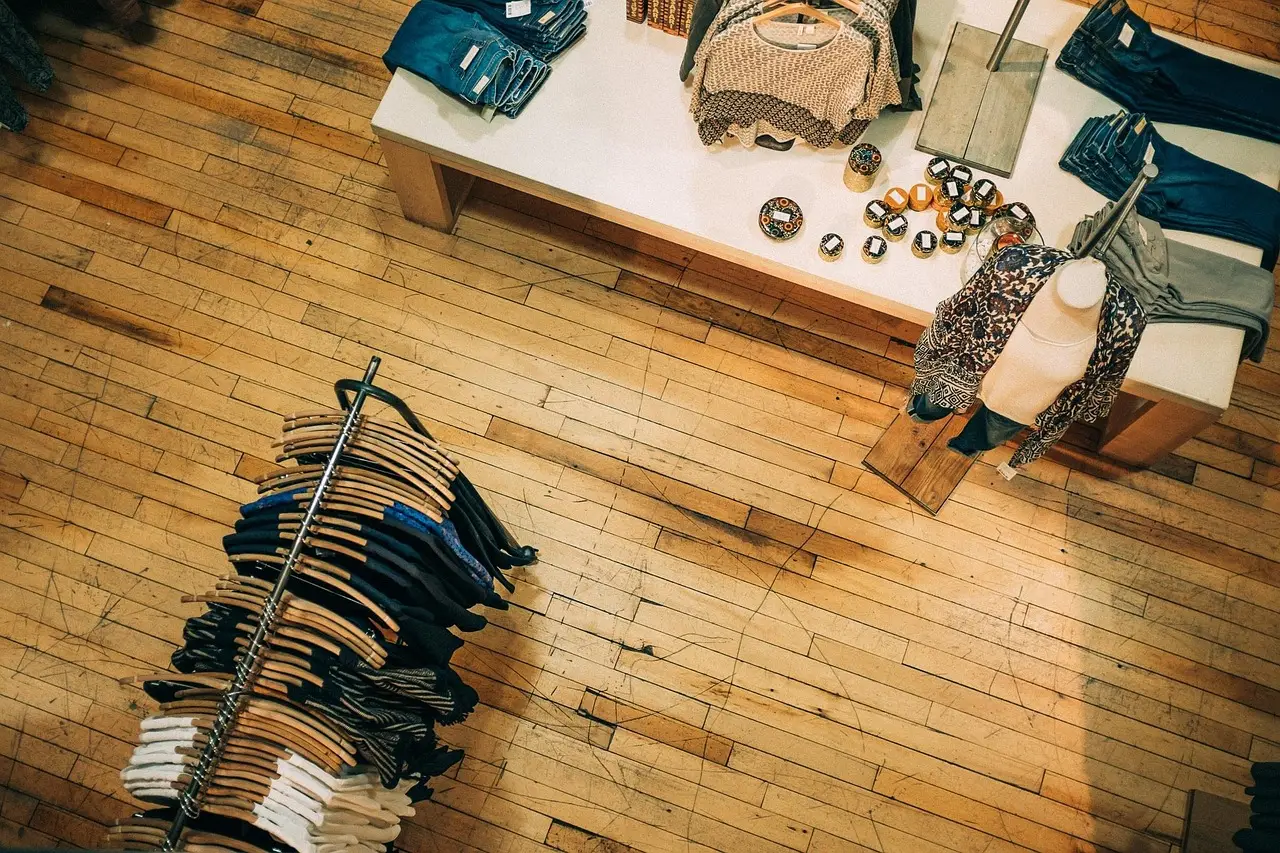
Gap Inc.'s chief entertainment officer, Pam Kaufman, runs a seven-person licensing team built around a teen boy band, Barbie-style IP and Hollywood studio deals.
By Nathan Brooks
4 min readAt a glance
- Gap Inc. created a chief entertainment officer role; Pam Kaufman leads a seven-person team in licensing, partnerships, and development.
- Gap's stock has risen more than 120% since 2023, and the parent of Old Navy, Banana Republic, Athleta and Gap does $15 billion in revenue.
- CEO Richard Dickson joined Gap in 2023 from Mattel, where the Barbie movie generated more than $150 million in film-tied revenue.
- Group JYT, created by producer Freddy Wexler with members aged 16 to 18, drew hundreds of teens to two floors of Roosevelt Field mall in Garden City, Long Island, in October; the deal spans multiple years.
- WME helped DoorDash appear in Kevin Hart's Amazon comedy Livestream From Hell and on Netflix's Earle Meets World; McDonald's and Visa are clients that could follow.
Gap Inc. has created a C-suite job that barely existed before: chief entertainment officer. Pam Kaufman holds it, and she runs a seven-person team covering licensing, partnerships, and development inside a company whose stock has climbed more than 120% since 2023.
What does a chief entertainment officer actually do?
Her mandate is to make the retailer the content, not merely a sponsor of someone else's. "The most valuable real estate in culture is not a shelf, an ad, a storefront, or an Instagram post," Kaufman says. "It's attention."
The blueprint came from Mattel, where CEO Richard Dickson turned Barbie into a global brand and an Oscar-winning blockbuster before joining Gap in 2023. The Barbie movie produced more than $150 million in revenue tied to the film, a sum that still understates how much the franchise widened the fan base.
At Gap, Dickson hired Project Runway judge Zac Posen as creative director and signed Hailey Bieber for a Gen Z collab; her Hailey Jean sold out in minutes. Kaufman's first outward move was meetings with Hollywood studios. "We wanted them to know that we are going to be a really exciting player in this space," she says.
Why a teen boy band is a retail strategy
On a warm October Saturday, hundreds of teens packed two floors of the Roosevelt Field mall in Garden City, Long Island, for JYT — Just Your Type — a five-member group created by longtime music producer Freddy Wexler. Members Caden and Bryan (both 18), Tyler and Toby (both 17), and Recker (16) wore sweatshirts that swapped the GAP logo for the letters J-Y-T.
Wexler pitched the group to Gap as a way to build affinity with young shoppers through a capsule collection, a docuseries, and appearances in stores. "He had me at 'mall tour,'" Kaufman recalls. The arrangement runs for multiple years, not one launch weekend.
How far the licensing model stretches
Kaufman spent more than 25 years at Paramount Global, where she pushed SpongeBob past the small screen into movie theaters, Burger King, and socks and T-shirts at Hot Topic. Gap Inc., a $15 billion-revenue parent of Old Navy, Banana Republic, Athleta, and the Gap chain, gives her both sides of the market.
- License outside brands to sell themed apparel
- License Gap labels into other stores, from Old Navy picnic gear to Banana Republic home decor
- Produce original short-form programming, including Banana Republic's five-part scripted micro-drama starring a cast member from Hulu's Adults, posted to TikTok, Instagram, and YouTube Shorts
- Build entertainment IP from internal characters; Brannan Bear, Baby Gap's teddy-bear mascot, could anchor a TV show or video game
"Fourth of July is when you buy your flag T-shirt at Old Navy," Kaufman says, "and how do we amplify that?" An Old Navy store could become an immersive stop for a family film or a Halloween trick-or-treating event. Her summary of the model: "We are retailers, but we're also brands."
What does this mean for marketing teams?
Liz Walaszczyk, head of entertainment marketing and advisory at WME, says silent product placement and talent endorsements no longer clear the bar. Her agency helped DoorDash write itself into Kevin Hart's Amazon horror comedy Livestream From Hell, where a driver keeps getting tangled up delivering food and balloons.
DoorDash also delivered party supplies to influencer Alix Earle on Netflix's Earle Meets World, and Walaszczyk names McDonald's and Visa as WME clients that could pursue similar routes. Viewers, she says, develop an "affinity for" a brand that makes a show more engaging.
For practitioners, the shift shows up in deal length and budget shape. "You have a better chance at resonating with consumers over a longer period of time," Walaszczyk says. One-off placement fees give way to multi-year licensing commitments, and Gap's seven-person team handles licensing, partnerships, and development while the much larger marketing team executes.
Victoria's Secret's revived fashion show shows how the work can live inside an existing brand rather than a new executive seat. Other companies are building the same function under marketing or media titles. Kaufman argues that when attention spans fragment, becoming the entertainment leaves no alternative: "It cannot just be a one-way transaction anymore," she says, pointing to any business that sits "on a shelf or fly in the air or drive a car."
The open question is whether other retailers can turn a mall tour, a Halloween calendar and a barcode into multi-year franchises, and whether they will staff their own version of the job.
Source: fortune.com
Nathan Brooks
Show full bio
Staff writer covering companies, deals and strategy in Social platform news and policy at Reach Brief.
Related articles
Billion Dollar Boy Bets $100M-Plus on B2B Creator Marketing
Celebrity Beauty Brands Claim Half of Creator-Marketing Top 10
Creator Content Is Driving Retail Sales — and Brands Have the Numbers
Billion Dollar Boy Group Acquires Creator Authority in B2B Push
HotStart's Scott Van den Berg: Pay Celebrities in Equity, Not Cash