Grindr Scales Its Halloween Play to 700 Guests, Chasing Met Gala Status
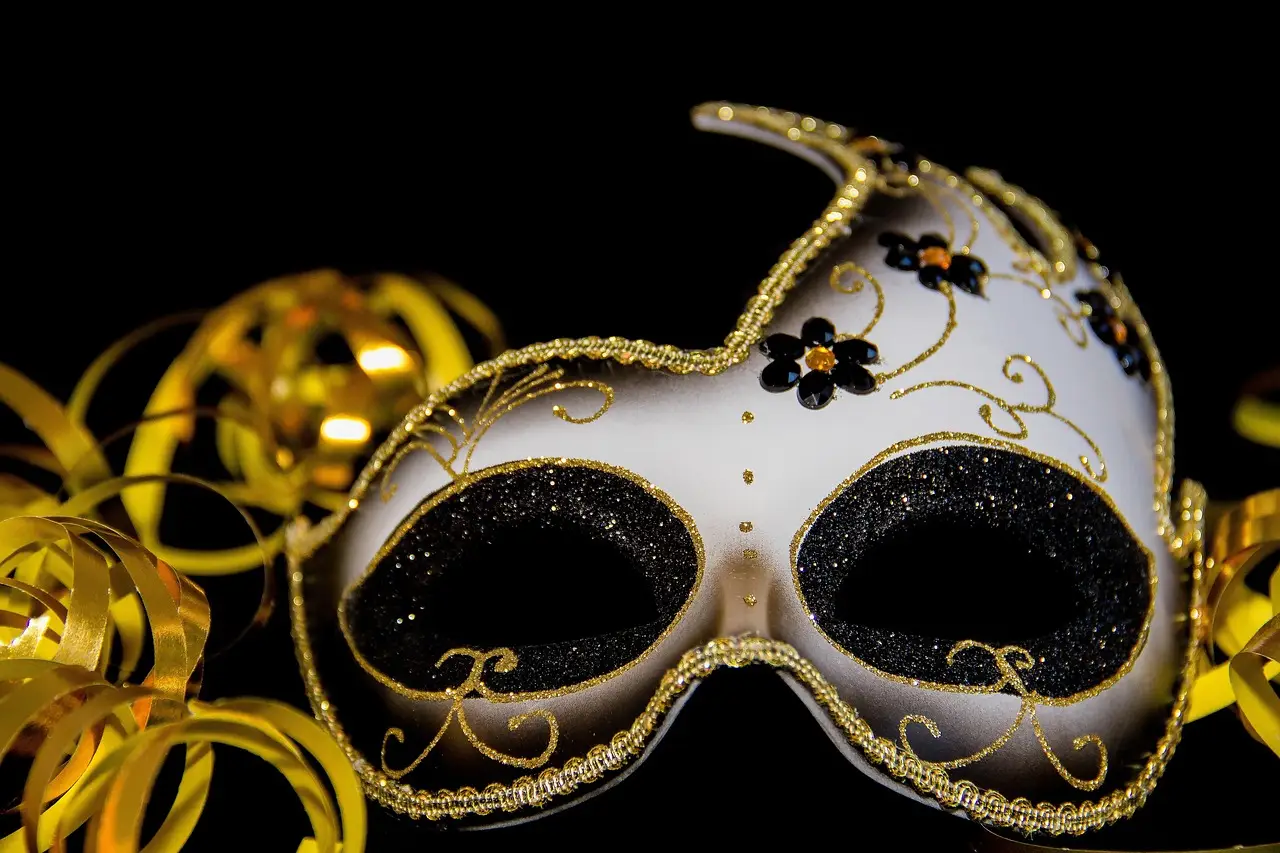
Grindr's Pleasure Ball returns Oct. 22 with 700-guest capacity, up from 400 in 2024, as the app pushes to make its Halloween event the 'gay rival to the Met Gala.'
By Marcus Bennett
2 min readAt a glance
- Grindr hosts its third Pleasure Ball in New York City on Thursday, Oct. 22.
- Capacity grows from about 400 guests in 2024 to 700 this year, a 75% increase.
- CMO Tristan Pineiro says Grindr wants the event to become the 'gay rival to the Met Gala.'
- Pineiro describes Halloween as 'kind of gay Christmas' for the app's community.
Grindr will host its third Pleasure Ball in New York City on Thursday, Oct. 22, with capacity up from roughly 400 guests in 2024 to 700 this year — a 75% jump that marks the dating app's most aggressive push yet to own Halloween as a brand property.
The event is a Halloween party and costume contest, and Grindr has ambition that goes well beyond a one-night venue booking. Chief marketing officer Tristan Pineiro said the company wants the ball to become the "gay rival to the Met Gala."
That's a specific benchmark, and it tells you how Grindr is framing its marketing calendar.
What does this change for marketers?
For practitioners, the story is a case study in holiday-adjacent brand building. Halloween carries strong cultural resonance in the LGBTQ+ community — "For us and our community, Halloween is kind of gay Christmas," Pineiro told ADWEEK. A brand claiming a holiday lane, then scaling an owned event year over year, is a playbook more CMOs are testing as paid social costs climb and organic reach gets harder to predict.
The growth numbers are the signal worth watching:
- 2024: about 400 guests
- 2025: 700-guest capacity
- Format: Halloween party plus costume contest
- Cadence: third annual edition
A 75% capacity increase in a single year suggests the event drew real demand, not just PR value. If sustained, that trajectory turns a party into a franchise — the kind of recurring cultural property that earns earned media without a matching media budget.
Is the Met Gala comparison realistic?
Here it's worth separating official positioning from aspiration. The "gay rival to the Met Gala" line comes from Grindr's own CMO, so treat it as brand intent, not an established result. The Met Gala's cultural footprint took decades and a museum institution to build. Grindr's ball is three editions old.
What the comparison does signal is the level of investment Grindr is willing to make. Building a costume-contest event into a gala-tier cultural moment requires consistent escalation — bigger venues, recognizable guests, escalating production values — and the 400-to-700 jump fits that pattern.
For a niche social app, though, the math can work in its favor. Grindr doesn't need Met Gala-scale reach; it needs deep resonance with its core community, and Halloween already supplies the cultural hook.
The takeaway
Watch whether the Pleasure Ball holds its growth curve next year. If Grindr keeps scaling the event and racks up earned coverage each October, expect other community-focused apps to copy the owned-event playbook around culturally resonant dates rather than fighting for attention in the crowded generic-holiday ad windows.
Source: Adweek Social Media
Marcus Bennett
Show full bio
Market editor covering money, funding and market shifts around Social platform news and policy at Reach Brief.
Related articles
Three Creator Economy Events Converge in Late September
Meta's New 'Ads Super Burst' Sells TV-Style Prime Time in the Feed
Brands to Spend $44 Billion on Creators This Year — and They're Changing How They Hire
Cannes Lions Has Become the Creator Economy's Biggest Stage
Brands Shift 15–25% of Marketing Budgets to Creators: IIGC