Jim Beam Opens 'Campus' at Historic Distillery for Creators
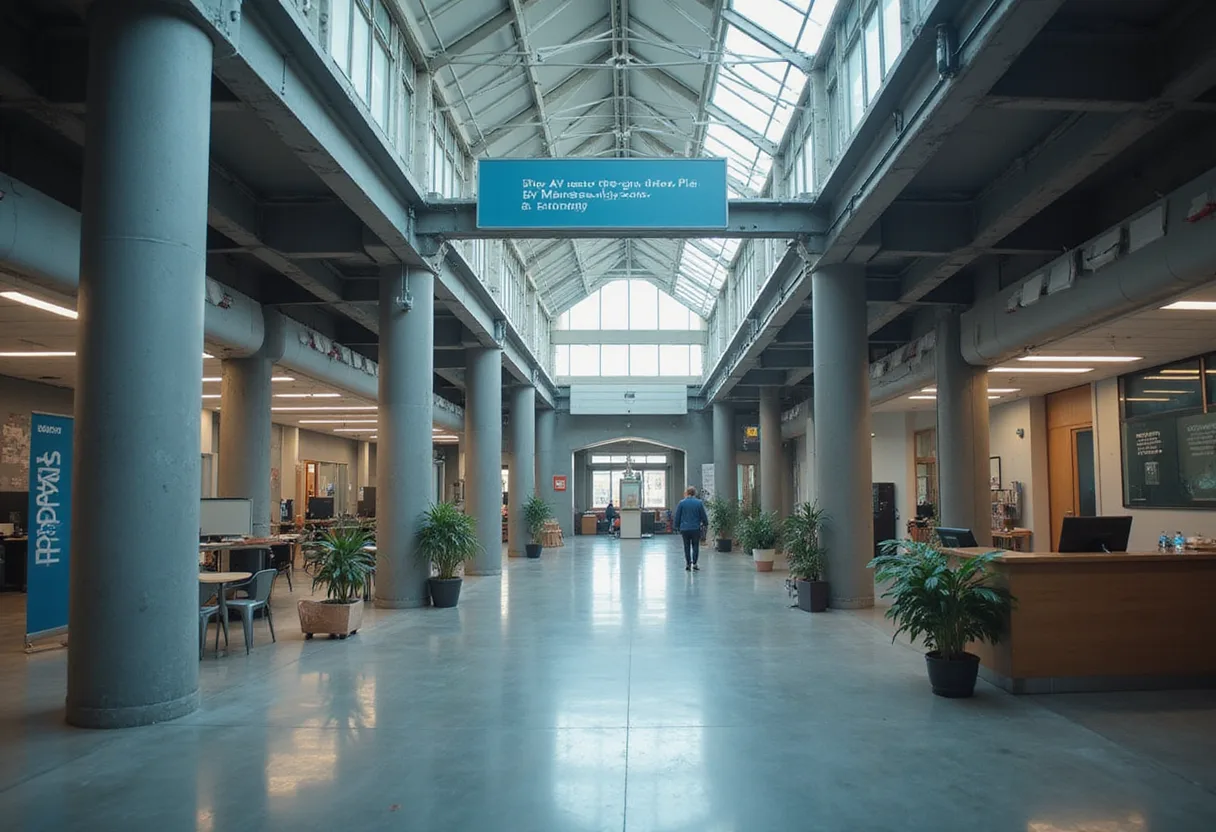
Jim Beam is converting its historic distillery into a creator 'campus,' shifting alcohol marketing budgets from campaign buys to owned content infrastructure.
By Grace Kim
2 min readAt a glance
- Jim Beam announced a dedicated creator 'campus' at its historic distillery, per MediaPost.
- The model shifts brand spend from per-campaign media buys toward owned content infrastructure.
- Creator rosters, deal terms and program dates remain unconfirmed by the company.
Jim Beam is building a dedicated "campus" for creators at its historic distillery, a move that puts one of the world's largest whiskey brands directly into the creator-economy infrastructure business.
The initiative, reported by MediaPost, signals how legacy alcohol brands are shifting budgets from traditional campaign buys toward longer-term creator relationships — and toward owned spaces where those relationships can be produced, filmed and amplified.
The distillery site itself is the story here. Rather than renting studios in Los Angeles or paying for sponsored trips, Jim Beam is converting its existing historic property into a creator destination. For a spirits brand, that solves a persistent problem: alcohol marketing faces heavy platform restrictions, and creators working with liquor labels often navigate tighter content policies than those in fashion, food or tech. A physical campus gives the brand a controlled environment to generate compliant content at volume.
What practitioners should watch:
Budget implications. Building and operating a creator campus is a fixed-cost commitment, not a per-campaign spend. Brands that follow this model are effectively moving money from media buying into content production infrastructure. Agencies and creator managers should expect longer contract cycles and fewer one-off sponsored posts from partners adopting this approach.
Reach mechanics. Content shot at a branded physical location tends to perform as destination content — travel, food and lifestyle formats — rather than straight product placement. That changes which creators are a fit. Lifestyle and travel creators typically outperform pure product reviewers in this format, and the campus model suggests Jim Beam is recruiting accordingly.
The alcohol wildcard. Platform policies on alcohol content remain restrictive, particularly for age-gating and demographic targeting. Any creator program tied to a spirits brand will live inside those constraints. Success metrics for the campus will likely lean on brand lift and attributed engagement rather than direct-response conversion, which paid alcohol campaigns cannot easily run at scale anyway.
What remains unconfirmed. The report does not specify which creators have signed on, how many will pass through the campus, or what the financial terms look like. Any claims circulating about specific creator rosters or deal sizes should be treated as speculation until Jim Beam or its agency partners confirm them. The company has also not disclosed opening-program dates beyond the announcement itself.
For creator-economy observers, the move fits a broader pattern: brands with iconic physical properties — distilleries, factories, flagship stores — are repurposing them as content engines. The physical space becomes a differentiator no digital-native brand can copy, and every piece of content shot there carries implicit brand attribution.
If the campus model proves out for Jim Beam, expect other heritage alcohol and consumer-goods brands with landmark properties to explore similar conversions within the next budget cycle.
Source: Google News: Creator economy
Grace Kim
Show full bio
Senior reporter covering companies, deals and strategy in Social platform news and policy at Reach Brief.
Related articles
Nearly Half of Brands Report 3x Return on Creator Marketing
Gregory Curtis Jr.: Brands Should Run Creator Marketing Like Media Buys
Brands to Spend $44 Billion on Creators This Year — and They're Changing How They Hire
Creator Economy Splits in Two, Mirrors Traditional Advertising
Tara Walpert Levy reframes creator economy as capability, not channel