Life on Film reports 2 billion views and seven-figure revenue
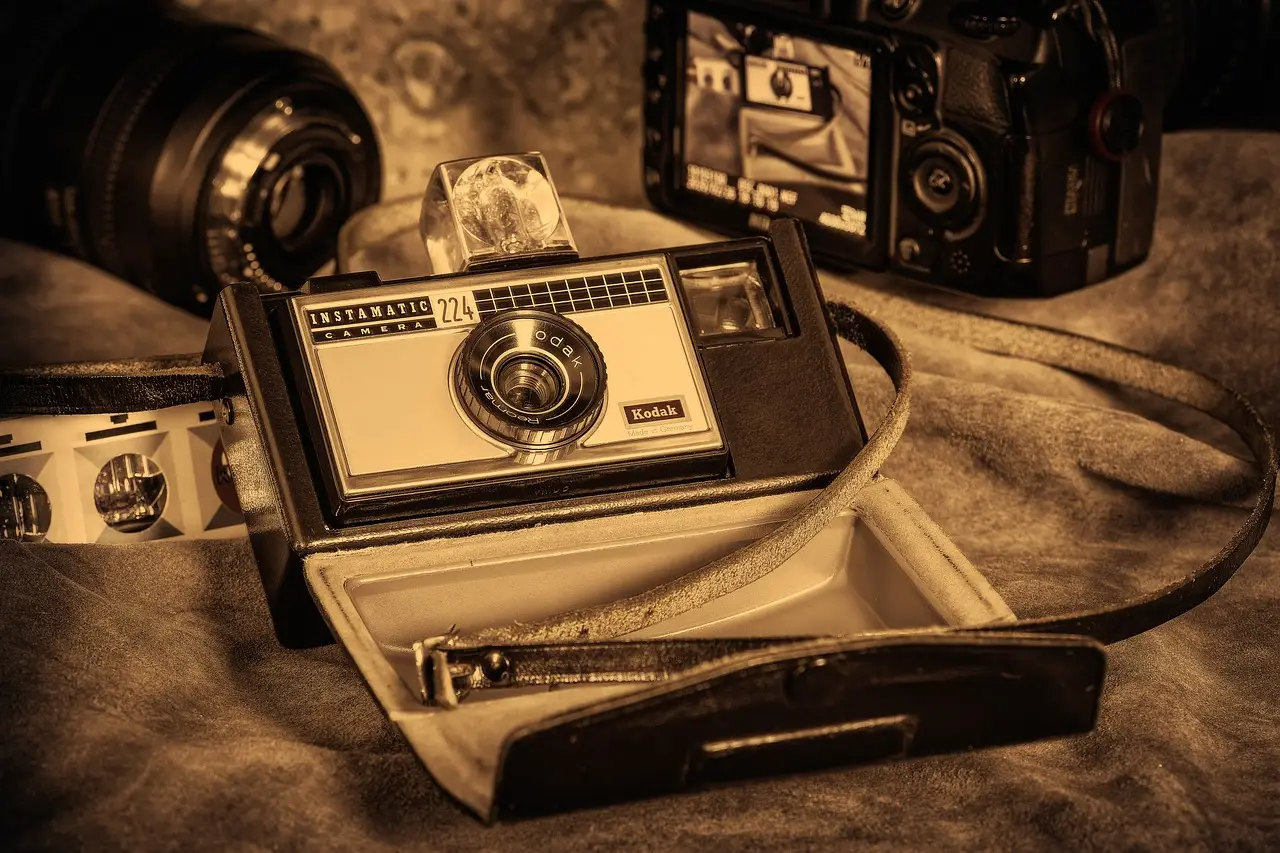
Life on Film says analog camera giveaways have produced 2 billion social views and a profitable seven-figure business, with brand deals funding expansion into travel, books and longer video.
By Sophie Lindqvist
4 min readAt a glance
- Life on Film reports 8 million followers and more than 2 billion views across Instagram, TikTok and YouTube.
- The profitable seven-figure company has taken no outside investment and is on track for 90% year-over-year revenue growth.
- The camera-giveaway project began in 2023 and became a full-time business by the end of 2024.
- Life on Film expects about $50,000 in 2026 spending on cameras, film and development.
- One hour of street outreach produced six camera acceptances and 10 rejections.
By Sophie Lindqvist
Life on Film reports more than 2 billion views and 8 million followers across Instagram, TikTok and YouTube; cofounder Grant Weintrob says the result is a profitable seven-figure business without outside investment.
At airports and train stations, cofounder Grant Weintrob has spent hundreds of hours carrying a bag of dozens of film cameras. He asks travelers to take one, return it, and let Life on Film edit the footage.
The operation began in 2023, when Weintrob, Christian Baiocco and Griffin Katz gave strangers disposable cameras to document nights out. Returned photos and home videos became musical supercuts, turning ordinary experiences into coming-of-age-style films.
Within one year, the account had filmed Ed Sheeran, Lil Yachty, Ice Spice and former President Joe Biden. By the end of 2024, enough traction and brand work had arrived for the three founders, all in their late 20s, to run the project full time.
Instagram is the largest channel, Weintrob said. The company is on track for 90% year-over-year revenue growth. Some individual posts have drawn tens of millions of views.
What does the business model earn?
Most revenue comes from brand partnerships. YouTube and Facebook ad-revenue splits provide additional income. Clients include Nike, Home Depot, American Express, Microsoft, Meta and Universal Studios.
Weintrob describes Life on Film as a human-storytelling platform. It turns everyday and famous lives into cinematic short films.
The team handles inbound pitches and makes its own approaches. It operates without talent management. Baiocco said every integration must entertain and fit the story.
Fujifilm is the largest partner. A long-term sponsorship supplies disposable cameras and anchors the sponsored “Blind Date” series. Two strangers receive an Instax camera and film a setup date. The company is pitching travel companies on longer series that send participants on trips.
Direct-to-consumer products are next. Coffee-table books and custom cameras are among the plans. Weintrob wants the company to become a studio known for unscripted online series, supported by a precursor show, “Discovering Artists.”
Weintrob placed the planned studio between A24 and Humans of New York. Fallen Media and Mad Realities aspire to an MTV-like model. He said Hollywood, streamers and social platforms have viewed creator teams differently after hits such as “Backrooms” and “Obsession.” No specific deal was disclosed.
“There is something bigger here to be made than just the 30-second Instagram Reel or TikTok,” Weintrob said. Longer, horizontal video could help traditional production studios package and market the material.
Why keep using film cameras?
Baiocco argued that Life on Film is the opposite of public distrust in synthetic media because its footage is unscripted and captured on analog cameras. The format also draws on renewed Gen Z interest in film photography, vinyl records, DVDs and landlines.
Commenters praised the human footage as a counterpoint to low-quality AI video. For practitioners, the model pairs the reach of man-on-the-street video with physical production costs. Life on Film expects to spend about $50,000 in 2026 on cameras, film and development.
Most episodes still rely on disposable cameras. Super 8 posts outperform them, Baiocco said: “It’s like a movie.” Adding Super 8, a mass-produced video format introduced by Kodak in the 1960s, raised expenses. Fujifilm supplies the disposable cameras under the sponsorship.
The risks are physical. Equipment breaks. Participants make errors. Footage can disappoint. Cameras can be stolen. Life on Film’s Greenwich Village office, steps from Washington Square Park, stores cameras, reels, film boxes and other equipment.
How does a street pitch become a video?
Weintrob regularly approaches strangers. The setup remains unscripted except for some celebrity and branded assignments. The initial pitch can feel awkward and draw distrust, but conversations often improve once the film-camera premise becomes clear.
On a sunny afternoon, Weintrob and full-time producer Dylan D’Agostino took the subway to Harlem for a New York series in the founders’ hometown. D’Agostino carried disposable cameras and several Super 8 units; Weintrob used an iPhone to document the approach.
In one hour, the pair received six acceptances and 10 rejections. Their takers included a couple, a dog walker, a mother heading home with her child, and parents walking a newborn. Each participant received a QR code and instructions for mailing the camera back.
Weintrob said one usable video from the day would be enough. The next test is whether travel series, coffee-table books, custom cameras and horizontal video can widen revenue without diluting the authenticity behind the 8-million-follower audience.
Source: feeds.businessinsider.com
Sophie Lindqvist
Show full bio
Correspondent covering people, launches and day-to-day practice in Social platform news and policy at Reach Brief.
Related articles
Six-Figure Reels Lose to iPhone Outtakes: Inside Darlington Social
Three-Person Creator Firm What's Trending Hits Seven-Figure Revenue
Instagram's 90-Minute Videos Arrive With No Monetization Plan Attached
Instagram Is Paying YouTube Creators Up to $500,000 for Long Videos
E.l.f. Beauty Boosts Organic Creator Wins With Paid Spend