Meta Puts Muse AI on Apple Watch and Wear OS, Chasing Wrist
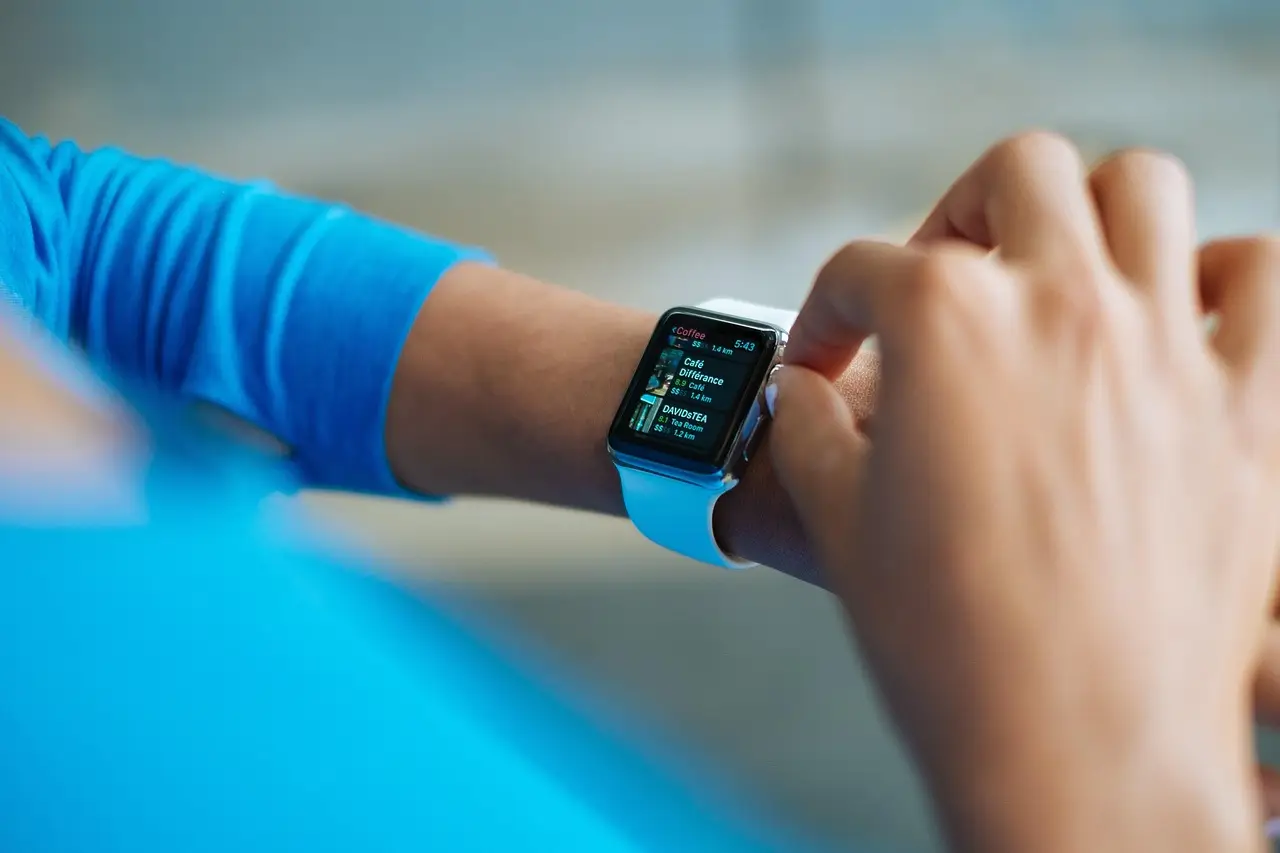
Meta's Muse AI agent now runs on Apple Watch and Wear OS via voice, text, and dictation, weeks after hitting 10 million U.S. downloads in 40 days.
By Grace Kim
3 min readAt a glance
- Meta launched Muse on Apple Watch and Android Wear OS on Monday, supporting voice calls, texts, and dictation.
- Muse passed 10 million U.S. downloads in its first 40 days, one of only 12 apps ever to do so; Threads was the last, in July 2023.
- Muse first launched on the App Store in September, followed by a dedicated iPad app one month before the watch rollout.
- U.S. users gained video chat with Muse avatars last week; the AI hears users but cannot see them.
- Meta launched Spaces, mini apps built on the fly around specific goals, a few days before the watch launch.
Meta's Muse AI agent is now available on the Apple Watch and Android's Wear OS as of Monday, letting users talk to the assistant by voice call, text message, or dictation straight from a smartwatch. The move lands just one month after Meta shipped a dedicated iPad app for Muse, which first appeared on the App Store in September.
That's a fast rollout cadence for a product that's barely a quarter old. But speed of shipping is not the same as proof of staying power, and Meta has released no retention figures to go with its download numbers.
How big is Muse, really?
Muse became one of only 12 mobile apps to pass 10 million U.S. downloads within their first 40 days on the App Store. The last app to hit that milestone before it was Meta's own Threads, in July 2023.
Downloads are a top-of-funnel metric, though. Meta hasn't said how many of those users open the app weekly, or how many connect accounts and let the agent actually act on their behalf. Treat the 10 million figure as reach, not engagement.
What can the assistant actually do?
Muse sits in a crowded field of consumer-facing AI agents. Users can connect accounts so it can manage email, meetings, and bills. It also handles tasks like booking reservations, ordering groceries, setting goals, and making purchases.
Users can also customize their Muse avatar — a person, an animal, or another type of character. That personalization angle, not raw capability, is where Meta seems to be differentiating.
What did Meta ship in the last two weeks?
The smartwatch launch caps a burst of feature releases:
- Spaces. Launched a few days ago, these are dedicated conversations around specific topics. Meta calls them "custom experiences" — mini apps built on the fly. They appear in the Muse sidebar and start a focused conversation where the agent works toward a particular goal on the user's behalf.
- Video chat with avatars. Rolled out last week for U.S. users, Muse now appears on video with "subtle expressions and gestures" that Meta says reflect the tone and context of the conversation as it speaks.
One caveat on that video feature, and it's a meaningful one: Muse doesn't see users. It hears them and responds in real time, but the visual channel runs one way. Meta's language about expressions is careful — it's the avatar performing, not the AI observing.
What does this change for practitioners?
For social and AI strategists, the watch expansion signals Meta's intent to make Muse a default layer across devices rather than a standalone app. The pattern — iPhone in September, iPad a month ago, watches now — suggests a deliberate ecosystem push across Apple and Google hardware alike, not just Meta's own surfaces.
If Muse's Spaces format catches on, it could become another surface where brands and publishers need to be discoverable, similar to how Threads forced a rethink in 2023. There's no monetization or ads product attached to Muse yet, at least nothing Meta has disclosed.
And that's the gap to watch. Meta is spending political and engineering capital to get Muse onto wrists, screens, and video calls before it has said a word about how the product makes money. The downloads say people are curious. The next data point that matters — and Meta hasn't provided it — is whether they come back.
Source: techcrunch.com
Grace Kim
Show full bio
Senior reporter covering companies, deals and strategy in Social platform news and policy at Reach Brief.
Related articles
Meta's Muse Drives 59% of AI Agent Traffic, HUMAN Data Shows
Meta's Muse AI Now Calls U.S. Businesses — But Only for Paying Users
Meta Targets Enterprise Spend With Muse for Small Business
Meta Expands Muse AI Agent With Small-Business Connectors
Meta launches Meta One with $7.99 Core and $499 Max tiers