Meta's Reported Mix-Up Restricted a 111-Year-Old Soda Company's Posts
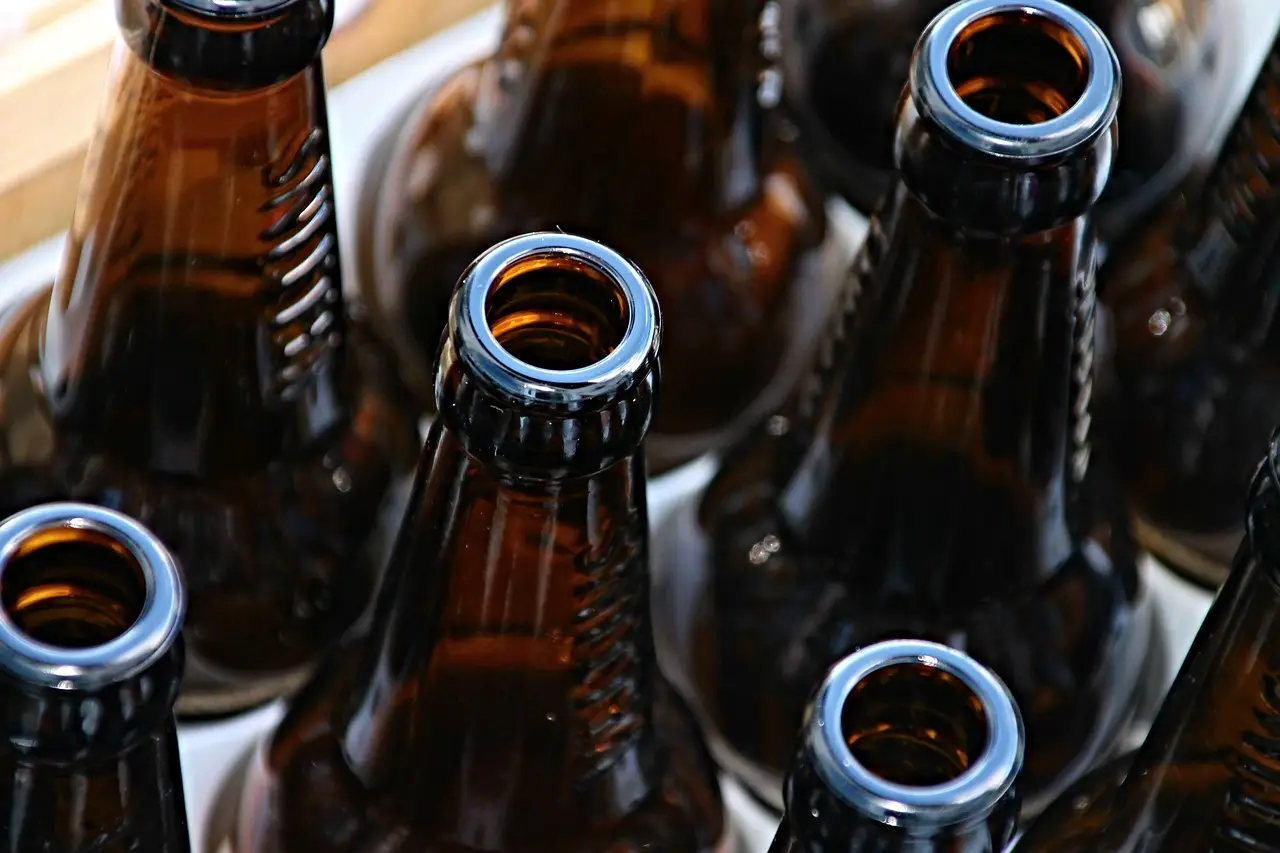
Meta's system has restricted Yacht Club Soda's posts for two months. Appeals reportedly reverse after 30 seconds, while the company reports damage to promotion and advertising.
By Sophie Lindqvist
3 min readAt a glance
- Meta's automated system has repeatedly restricted Yacht Club Soda's posts for two months, according to the company.
- Appeals reportedly reverse after about 30 seconds, and the customer-service chatbot has not resolved the issue.
- Founded in 1915, the family business was bought by Sgambato's grandfather in 1960.
- The company sells more than 24 flavors, plus occasional specialty and seasonal products.
- Sgambato says the "inappropriate" label has hurt promotional and advertising efforts.
By Sophie Lindqvist
Meta's automated system has repeatedly restricted Yacht Club Soda's posts for two months, the company says. President John Sgambato has spent two months seeking help. He runs a small soda business in Providence, Rhode Island.
"It's just total frustration," Sgambato told WJAR. "We're pretty much powerless."
The 111-year-old family business, founded in 1915 and acquired by Sgambato's grandfather in 1960, sells more than 24 flavors alongside occasional specialty and seasonal drinks.
What has Meta confirmed?
The report contains no confirmation from Meta about the cause. It gives no affected-platform list, policy change or rollout date. Sgambato says Meta mistakenly treated the soda as alcohol. He says the platform labeled the product "inappropriate."
His account, rather than a published policy explanation, defines what is known about the error. For practitioners, an unexplained classification is difficult to plan around, especially when repeated posting and advertising depend on accurate product labeling within automated moderation systems.
How has the restriction affected the business?
Sgambato says the "inappropriate" label has hurt promotional and advertising efforts. Because the report gives no revenue figure, ad-spend number or audience measurement, it cannot establish a dollar loss or quantify lost reach for the company.
That gap matters to practitioners who allocate budgets to social placements. Two months without access to a human agent adds staff time to the cost, even though the report does not price that time. Marketers should treat this as an unresolved control failure, not evidence of a category-wide soda advertising ban.
Why does the family's history matter?
The family history gives the dispute added weight, because a company built since 1915 now faces restrictions on the promotion of a long-established drink range. It also makes Sgambato's frustration more than a complaint about a single post.
"It's kind of like one of those things you take a lot of pride in," he said. "It's a family business."
The report cites a communications expert who said the case points to a larger problem. No name or direct quotation accompanies that assessment. The report offers no data on other soda companies. That broader impact remains unmeasured.
Can the appeal process deliver a fix?
Three steps appear in Sgambato's account:
- He said he submitted an appeal.
- The restriction returns after about 30 seconds.
- He tried the customer-service chatbot for help.
None has produced a lasting resolution. Appeals show a service failure, with a reversal after 30 seconds and no access to a human customer-service agent during a two-month search for help.
That sequence is the clearest operational finding in the report. It shows that an appeal does not guarantee human review or a durable reversal.
The report gives no case-volume, response-time or advertiser-recovery metric. Marketers therefore have no measured recovery benchmark from this case. Documentation of post reach, ad delivery and case handling would provide what the report currently lacks.
The next test is whether Meta explains the alcohol-related flag and provides a working human escalation path. A lasting fix must deliver more than the 30-second reversal Sgambato has documented. Until then, the family business remains without a measured route to restored promotion.
Source: inc.com
Sophie Lindqvist
Show full bio
Correspondent covering people, launches and day-to-day practice in Social platform news and policy at Reach Brief.
Related articles
Meta Pulls 'Remarkable' Scraping Clause After Publisher Backlash
Meta collected tens of millions from scam ads targeting seniors, Mashable finds
Meta's TikTok Ad Ban Went Live Oct. 8 in Seven Markets
Nature Examines How Ad Dollars Fund Social Media Misinformation
Meta Pauses Web-Scraping Terms Changes Indefinitely After Backlash