Microsoft Advertising Rolls Out Its Biggest Bidding Upgrade in a Decade
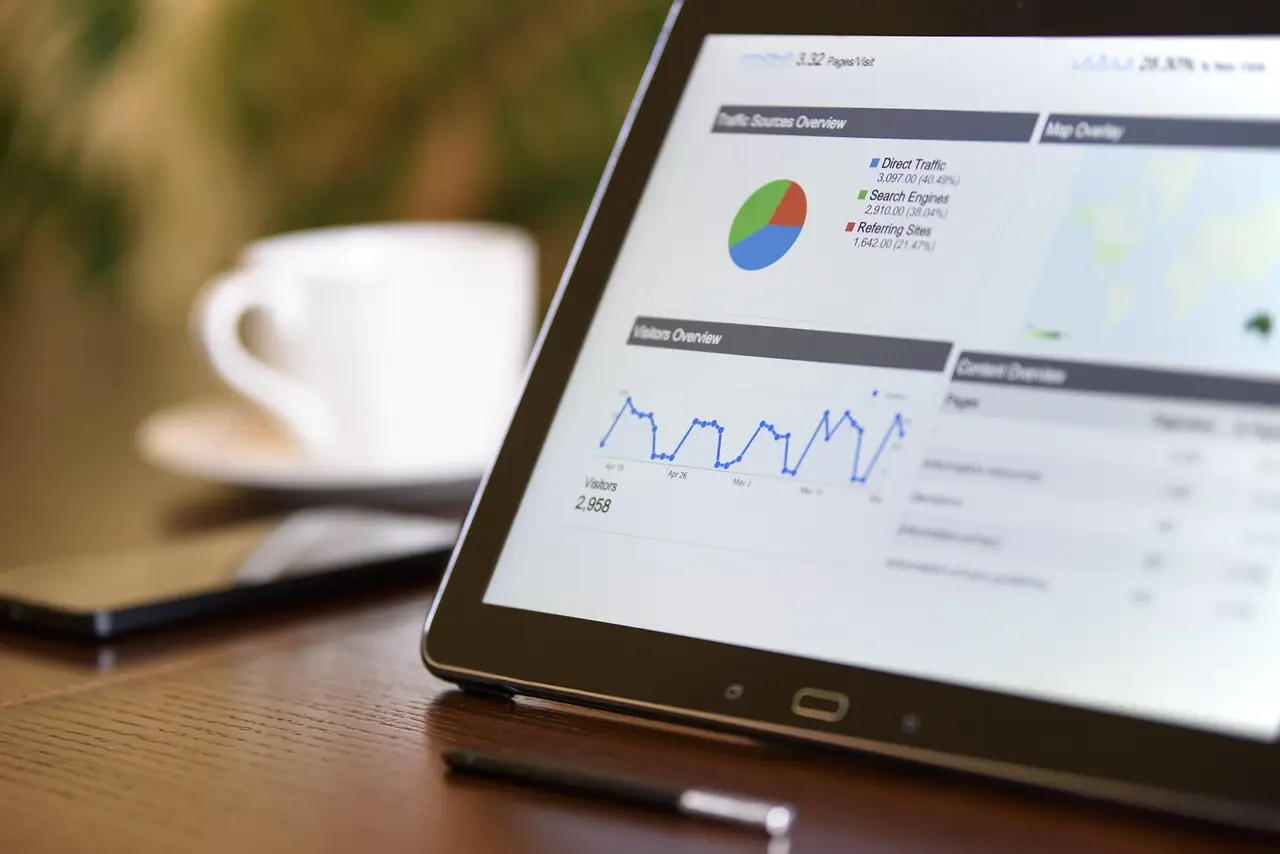
Microsoft's November 18 bidding upgrade applies automatically, adjusts bids to target changes nearly twice as fast, and lifted conversion value per click 10% in internal tests.
By Nathan Brooks
3 min readAt a glance
- Microsoft Advertising announced its biggest bidding model upgrade in a decade on November 18, applied automatically to accounts.
- Internal August 2026 data shows 10% more conversion value per click at similar ROAS.
- Bids adjust to CPA or ROAS target changes nearly twice as fast; Microsoft recommends 15% target increments.
- Advertisers moving from Enhanced CPC to Maximize Conversions with a CPA target saw 18% more conversions.
- Minimum entry point: 5 account conversions for conversion-based bidding; ~30 conversions in 30 days to judge performance.
Microsoft Advertising announced on November 18 a bidding model upgrade it calls its biggest in a decade — and it applies automatically as it reaches accounts, so campaigns can start spending differently before you touch a single setting.
The new models feed on more signals to predict whether a click will convert and what that conversion is worth. More bidding updates are planned for 2027.
What changes in existing campaigns?
Microsoft says the upgrade affects three things directly:
- Budget pacing. Campaigns can hit full budgets sooner and spend more evenly through the day.
- Target adjustments. Raise or lower a CPA or ROAS target, and bids can adjust nearly twice as fast as before.
- Consistency. Campaigns can hit targets more often without giving up conversion volume or value.
The flexibility has limits. A $50 CPA target leaves room for $40 conversions even at full spend, but a max CPC doesn't. If you average $3 a click and cap bids at $5, the cap blocks a $6 bid even when Microsoft expects that click to convert inside your CPA target.
Timing is the other constraint. Raise a CPA target on Monday while customers take a week to buy, and by Friday you'll know Monday's click costs but not all the sales. Faster bidding doesn't shorten a customer's buying cycle. Microsoft suggests changing targets in 15% increments and reviewing after one conversion cycle; bigger moves like switching bid strategies deserve one to two cycles.
The takeaway: the models react faster, but your measurement window hasn't changed.
How much conversion history do you need?
Microsoft recommends conversion-based bidding once an account has at least five conversions, from any campaign. Below that, Enhanced CPC is the fallback. For judging performance, the benchmark is roughly 30 conversions in 30 days at campaign or portfolio level — a bar low-volume campaigns often miss after a month.
On LinkedIn, Sophie Westall asked whether the advice holds for low-volume accounts already on Enhanced CPC. Microsoft Advertising Liaison Navah Hopkins replied: "Every account is different so a blanket recommendation still needs to be put to the test. With that said, so long as the account has at least 5 conversions total, the system is smart enough to use that to begin with conversion-based bidding."
What does Microsoft's data show?
Internal numbers, drawn from August 2026 global Search and Audience Network data for advertisers on Maximize Conversion Value or Target ROAS, point to real gains:
- 10% more conversion value per click at roughly the same ROAS after the upgrade.
- Advertisers switching from Target CPA to Target ROAS saw 8% more conversion value at similar ROAS.
- Advertisers moving from Enhanced CPC to Maximize Conversions with a CPA target saw 18% more conversions at similar CPA.
Microsoft reported its largest value-based bidding gains among advertisers sending actual transaction values, not fixed estimates. If your purchase goal uses a fixed value, reported ROAS tracks spend and volume but never captures shifts in what customers spend per order.
Lead gen has the same problem — two form submissions can look identical until sales disqualifies one a week later. Pedro Bailaderia asked Hopkins about sending an estimate at submission and updating it from CRM data. Hopkins backed the Conversions API or offline imports, and advised setting a ROAS target that matches the values you send. Settle how you value a qualified lead before setting that target, or the campaign may hit its number while sales still waits.
The practical move: if campaigns already deliver at costs you accept, hold settings steady and watch how the new models behave before changing anything — and with delivery smoothing out on its own, you may finally be able to save target changes for when the business actually needs more volume.
Source: searchenginejournal.com
Nathan Brooks
Show full bio
Staff writer covering companies, deals and strategy in Social platform news and policy at Reach Brief.
Related articles
ChatGPT Ads Drops Max Bid and Max CPC for Cost Targets
Hitting Your CPA Target While Lead Quality Drops? Here's Why
IAB Raises 2026 U.S. Ad Spend Forecast to +12.3% YoY Growth
Targeted Social Ads More Than Double Sale Chances, Provider Claims
IAB Projects Creator Economy Ad Spend at $37 Billion for 2025