Nvidia’s Nearly $700 Billion Market Drop Fuels AI Scandal Memes
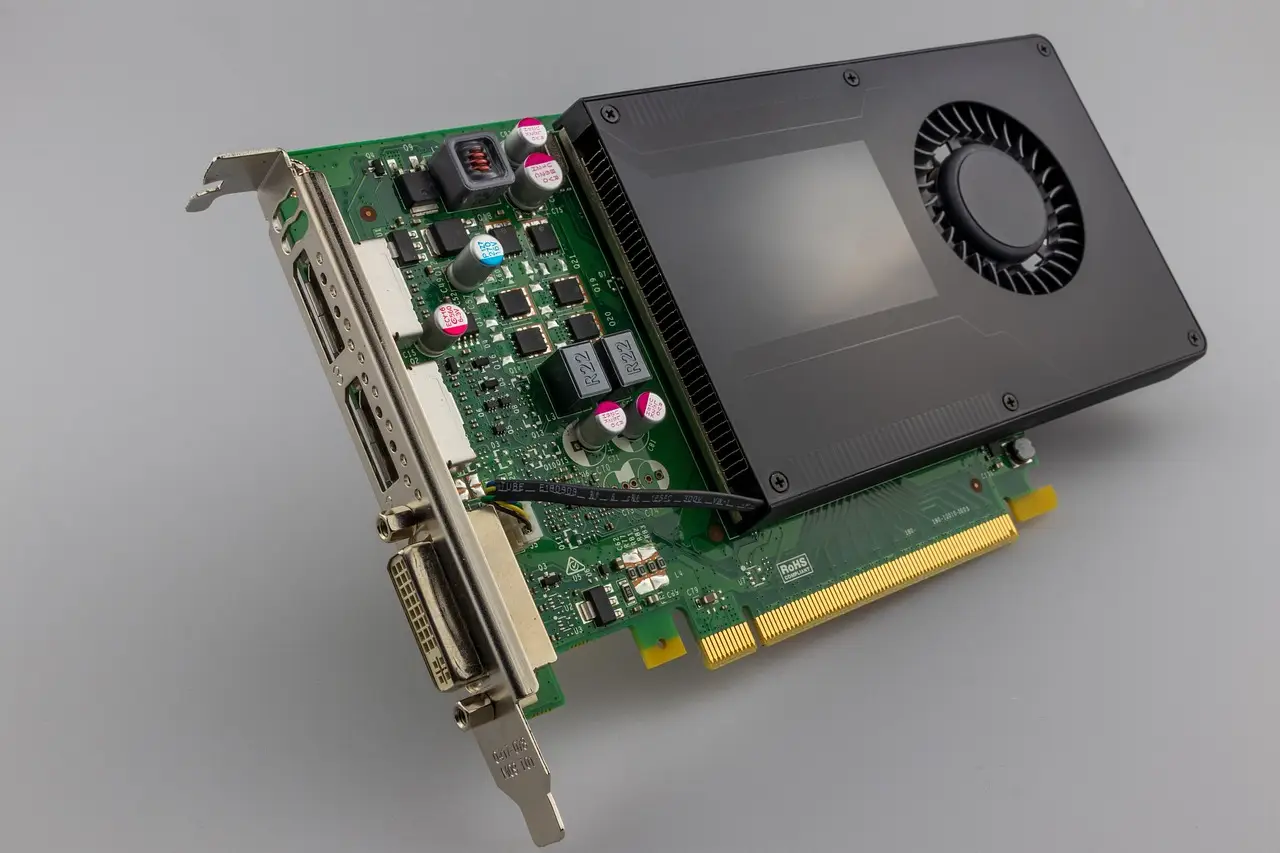
Nvidia has lost nearly $700 billion in market value since the spying allegations involving CEO Jensen Huang surfaced. AI-made scandal videos are spreading, but no reach or revenue data is available.
By Grace Kim
4 min readAt a glance
- Nvidia has lost nearly $700 billion in market value since the scandal surfaced.
- A linked report puts the stock decline at 17.5% over five days.
- Nvidia has opened an investigation into Jensen Huang and the spying allegations.
- One embedded X post about the AI videos was dated November 10, 2026.
By Grace Kim
Nvidia has lost nearly $700 billion in market value since the Jensen Huang spy scandal surfaced, and the chipmaker has opened an investigation into Huang and the allegations. AI-generated music videos and short films now turn the episode into a crowded meme genre.
The linked reporting records a 17.5% stock decline over five days. Market capitalization is not cash or revenue, and the report does not isolate the scandal from other forces behind the decline. A separate linked article mentions a new lawsuit, but gives no details about its claims or connection to the allegations.
Fast Company reports that Huang admitted to an extramarital relationship with Chinese businesswoman Alice Huang, whom the report identifies as a suspected spy for the Chinese government. The two are unrelated despite sharing a surname. Nvidia’s opening of an investigation is the only confirmed corporate response described in the source.
The concern centers on possible exposure of sensitive information inside a company whose technology powers the AI boom. The source does not set out the evidence for the spying suspicion, Huang’s account of the relationship or any findings from Nvidia’s inquiry.
What are the creators making?
Creators have built hyper-realistic AI videos around Huang, his wife and Alice Huang, without their consent. One video sets Huang singing Shaggy’s “Wasn’t Me,” with Jeff Bezos, Richard Branson and Elon Musk joining the chorus. Another pairs Huang and Alice Huang in a pink-set recreation of ROSÉ and Bruno Mars’s “APT,” complete with exaggerated singing.
The same subjects appear in AI versions of Drake’s “Hotline Bling” and George Michael’s “Careless Whisper.” Other edits place Huang in the viral Nathan Fielder–Elizabeth Holmes “why would I deceive you” exchange from You Can See Everything.
Joseph Gordon-Levitt and Zooey Deschanel’s elevator scene from 500 Days of Summer becomes a two-person Huang–Alice Huang parody, alongside a version of the club scene from Three Steps Above Heaven. These are creator-made recreations, not verified records of private events.
One embedded X post was dated November 10, 2026. The source gives no view counts or engagement rates, so it cannot establish how widely the genre traveled.
Why does Nvidia’s own technology sit at the center?
Ricardo Amper, CEO of AI identity verification company Incode Technologies, told Fast Company that cloud-based and locally run models both lean on the same hardware. “The heavy lifting is usually completed by Nvidia GPUs, simply because that’s the hardware that most AI software is built to run on.”
The report links detailed synthetic video to GPUs that Huang helped create and scale. It provides no market-share, usage or cost figures to quantify that reliance. Michael Bismuth, cofounder of AI production studio Cuz, said most creators never touch a GPU; they open a browser, type a prompt or upload a photo.
He also said: “Nvidia’s chips are the engine behind almost every fake video on the internet. The company that made AI video possible is now one of its targets.” No data in the report tests the breadth of that claim.
What does this change for creators and brands?
For creators, the episode has become both content and a product demo. Some creators use the sudden demand for “Huang Spy Scandal” material to advertise their own AI products, a use the source supports through a specific example rather than audience data.
Sophia Xing, founder of AI microdrama platform PlotParty, posted a microdrama built with her software, titled I Divorced My Trillionaire Husband and the God of Compute Let Me Respawn at 19. Its revenge arc and extravagant title use familiar microdrama devices; borrowing the scandal supplied the promotional hook.
The practical change is distribution: a scandal can supply a ready-made format for demonstrating an AI workflow, not merely a subject for discussion. It offers no ad prices or revenue data, so it cannot support claims about reach or return on investment.
Until platforms or brands publish reach and revenue figures, creators should treat the attention as a promotional hook rather than a proven acquisition channel. Brands should not treat it as a measured audience segment.
Nothing in the source shows a formal platform policy change or an algorithmic boost. What it does show is a feedback loop: Nvidia’s chips power the tools, the scandal supplies the hook, and creators use the results to promote more AI products.
The next test is whether this stays a niche joke or develops into a repeatable format for synthetic celebrity content. With no findings from Nvidia’s investigation and no audience or revenue benchmarks, the trend’s scale remains the bigger unknown than its technical feasibility.
Source: fastcompany.com
Grace Kim
Show full bio
Senior reporter covering companies, deals and strategy in Social platform news and policy at Reach Brief.
Related articles
AJ Gentile's Legal Fight With Ex-Manager Tests Creator Economy
Google's 'Pay-Per-Value' Pilot and the Week's Ad-Tech Upheavals
E.l.f. Beauty Boosts Organic Creator Wins With Paid Spend
Creators Are Softening on AI — Again, Digiday Reports
Temu Shuts Down Fake Influencer Network on Meta After Fortune Probe