Only 17% of Consumers Can Spot an AI-Generated Ad: Six Telltale Signs
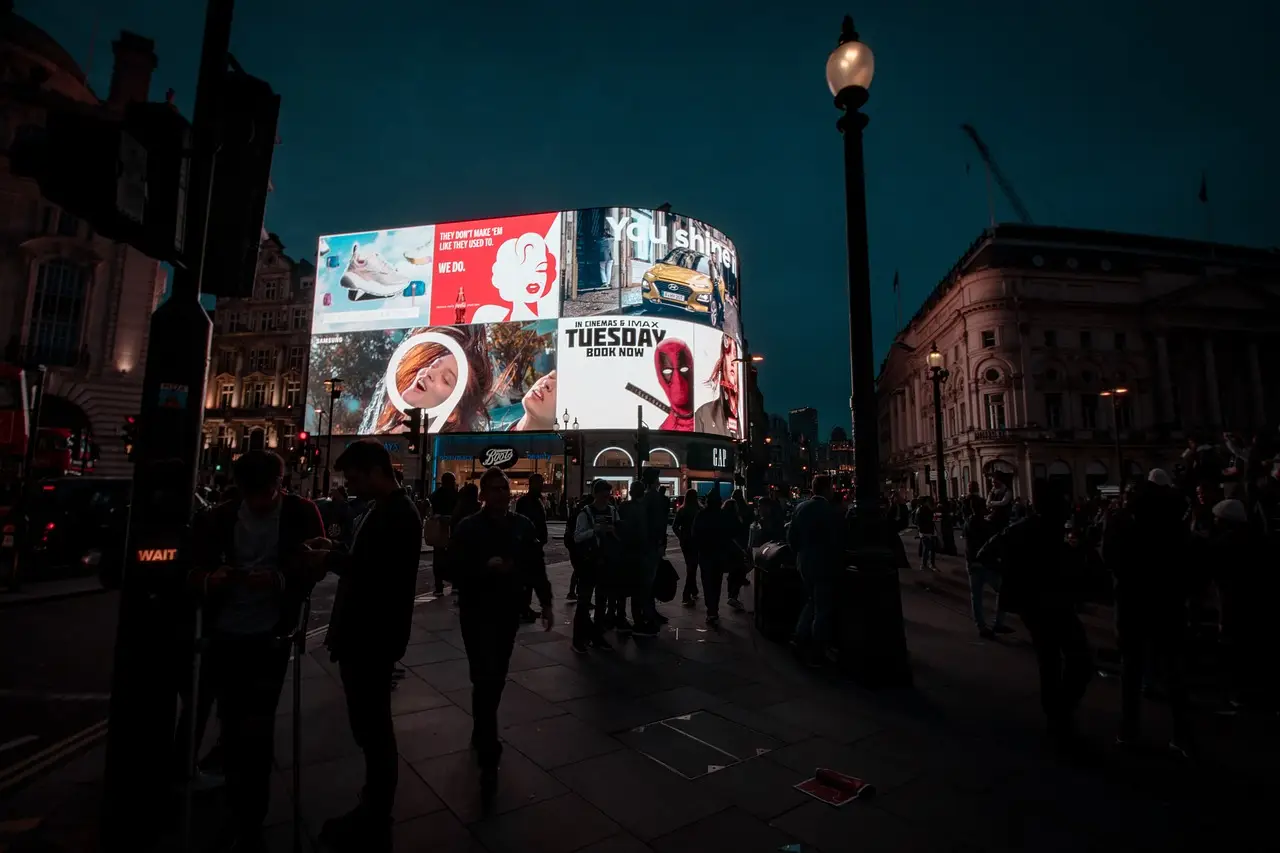
A September study of 500-plus consumers found just 17 percent correctly identified an AI-generated ad — even though half felt confident they could spot one. Six clues still help.
By Sophie Lindqvist
3 min readAt a glance
- A September study of 500+ consumers found only 17 percent correctly identified an AI-generated ad from a lineup of ten.
- Meta began rolling out an 'About this ad' AI labeling section in June.
- Pennsylvania's AI Deceptive Advertising Act, signed Oct. 22, takes effect Dec. 21.
- REI's June Instagram ad showed a bicycle with two sets of handlebars after Meta's AI tool altered a vendor photo.
- Fanta spent a year and a half building its AI Halloween campaign with studio GRAiL.
Only 17 percent of consumers correctly identified the AI-generated ad in a lineup of ten, according to a September study by The Cool Company of more than 500 people. Half of them had started out confident they could spot one. The gap between confidence and accuracy is the real story, and it is widening as brands from Coca-Cola to the NFL push synthetic creative into mainstream campaigns.
The clues still exist. But they move. Here are the six that currently hold up.
What gives an AI ad away?
Products that fall apart on inspection. In June, an REI Instagram ad showed a bicycle with a second set of handlebars growing from its saddle. REI told Fast Company: "While a two-handled bike might be interesting, it is not something you will find in our assortment." The retailer blamed Meta's AI personalization tool, which had altered a vendor photograph, and said it unenrolled from the feature.
Meta's tool has caused similar chaos elsewhere. In July reporting by Business Insider, advertising consultant Jessica Gleim said the system turned a client's pajama dress into a shirt and pants, and proposed adding men to imagery for a women's networking group in Montana. "It's not usable to help my clients grow their business," Gleim said of AI generation.
Inconsistent characters between shots. Coca-Cola's 2025 AI-generated "Holidays Are Coming" commercial drew criticism for a truck that changed design across scenes, including mechanically implausible configurations. Critics on Reddit called it "soulless, bland, and hard to even watch." Toys "R" Us's 2024 film, made with OpenAI's Sora, showed the young founder Charles Lazarus with a varying appearance throughout.
UC Berkeley forensics expert Hany Farid told Mashable to watch for "temporal inconsistencies" — "the building added a story, or the car changed colors, things that are physically not possible."
Movement and speech that don't match. Coca-Cola's 2024 holiday ad showed trucks rolling with wheels that never rotated. McDonald's Netherlands pulled an AI Christmas ad after backlash over distorted faces and bodies; The Sweetshop CEO Melanie Bridge allegedly said in a since-deleted statement, "AI didn't make this film. We did." Australia's CSIRO flags unsynchronized lips, eye flicker and mismatched expressions as deepfake signals.
Lettering and small details that turn to noise. Photographer Abigail Hogue told Business Insider a Valentine's campaign she shot for Quite Literally Books ran with garbled lettering after Meta's AI enhancements — she disabled them and republished. Caution: newer generators render readable text and correct hands far more often, per the Global Investigative Journalism Network's guide.
Blockbuster-scale absurdity. Fanta spent eighteen months with AI studio GRAiL building a Halloween world of a DJ-ing werewolf and cyborg Frankenstein. PJ Accetturo told NPR he built Kalshi's surreal NBA Finals commercial in two days with AI tools.
Familiar typography. One Brushstroke font is being called "the new Comic Sans." Claude, Perplexity, Runway and Manus have all embraced serifs. "In order to seem more human," Monotype's Charles Nix told Creative Bloq. Designer Keya Vadgama told WIRED serifs "connote a very human, fluid way of making letterforms."
Are disclosures becoming mandatory?
Yes, gradually. Meta said in June it is rolling out an "About this ad" section labeling ads created or significantly edited with its generative tools, and will label ads carrying third-party AI signals. Pennsylvania's Artificial Intelligence Deceptive Advertising Act, signed October 22 by Gov. Josh Shapiro, takes effect December 21 and requires clear disclosures when AI content creates a false impression — though parody, satire and evidently fictional content are exempt.
The clues keep shifting. By the time audiences learn what to look for, generators will likely have erased it.
Source: mashable.com
Sophie Lindqvist
Show full bio
Correspondent covering people, launches and day-to-day practice in Social platform news and policy at Reach Brief.