OpenAI Targets Creators With Patreon-Style Subscription Tools
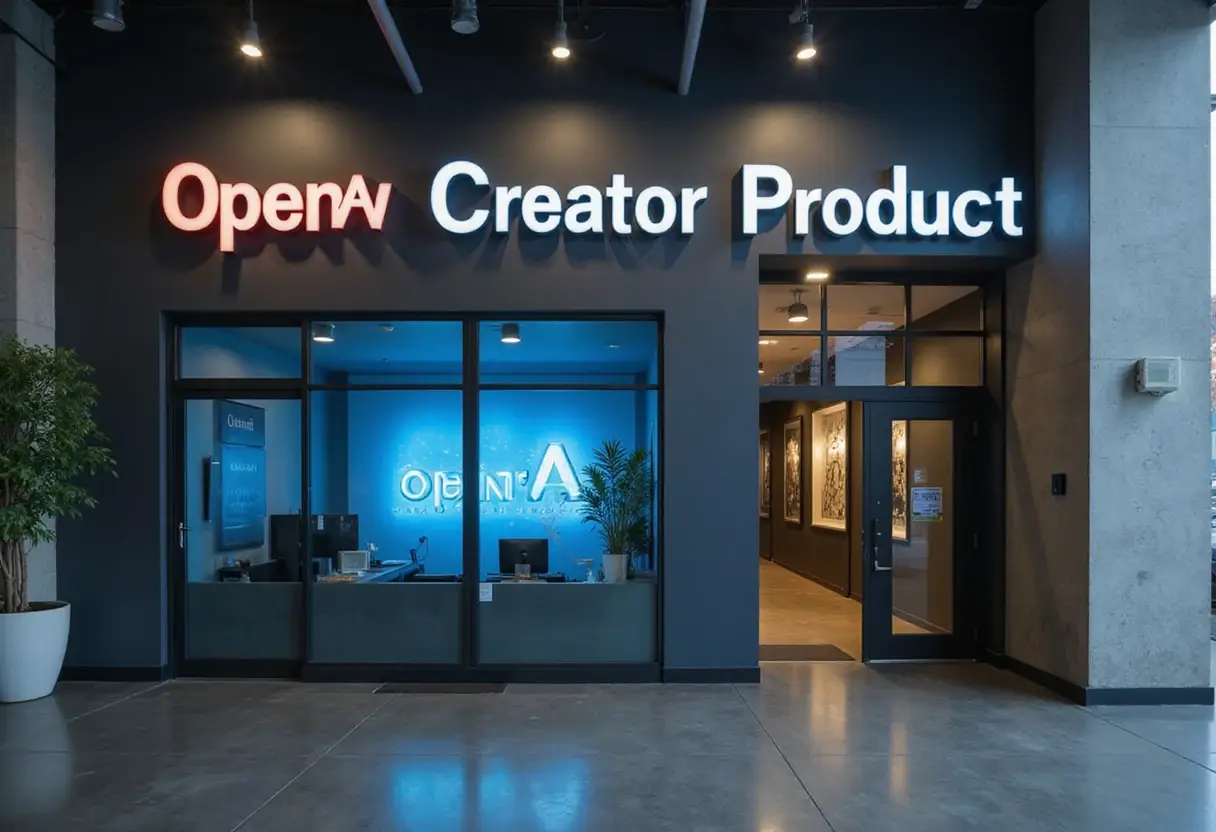
WeRSM reports OpenAI is building creator products on Patreon's playbook. Pricing and launch dates aren't disclosed, so practitioners should watch the API changelog and ChatGPT release notes for the first concrete launch signal.
By Marcus Bennett
3 min readAt a glance
- WeRSM reports OpenAI is building creator products modeled on Patreon's subscription-and-membership template.
- The story signals OpenAI is expanding beyond its current API and ChatGPT business to capture recurring revenue from creators.
- Pricing, launch window, payout rules, and signup mechanics have not been disclosed in the coverage.
- ChatGPT already routes hundreds of millions of weekly users through product surfaces, giving OpenAI a distribution edge if the creator layer ships.
- Practitioners should watch OpenAI's API changelog and ChatGPT release notes for the first concrete creator-tier references.
OpenAI is moving into creator monetization, planning products modeled on Patreon's subscription-and-membership template, according to industry outlet WeRSM.
The WeRSM report, headlined "OpenAI Is Building Creator Products With Patreon's Playbook," signals that the AI lab is looking beyond its current API (the developer toolkit for building with OpenAI's models) and ChatGPT business to capture recurring revenue from individual creators.
What does this change for creators?
If OpenAI replicates the membership tiers, content gating (locking certain posts or streams behind paid access), and direct-payout mechanics that made Patreon dominant in creator subscriptions, AI-native creators could get a billing and distribution layer baked into the tools they already use to produce work.
For a creator publishing AI-assisted essays, videos, or generated art, that removes the third-party friction — extra accounts, separate payment processors, audience cross-posting — that currently sits between audience and paid product.
Patreon's edge wasn't just recurring billing. It combined a creator dashboard, member-only chat, and tiered rewards into one stack (a layered set of features where each tool feeds the others). OpenAI's potential advantage, if the report holds, is distribution.
ChatGPT already routes hundreds of millions of weekly users through product surfaces. A creator layer could meet audiences where AI-assisted output is being requested, not just where finished content gets published.
What's confirmed, and what isn't
WeRSM's report establishes the headline claim: OpenAI is borrowing Patreon's model. Specifics — pricing, launch window, payout rules, signup mechanics — don't appear in the coverage. Until OpenAI publishes documentation, ships a feature, or comments on the record, treat product details as speculative.
For practitioners, that distinction matters. Any platform shift this big triggers outsized creator chatter on X and LinkedIn before docs land. Hold off rebuilding your stack around rumors.
What it means for reach and budgets
For social media and creator-marketing practitioners, the practical question is twofold. First, will OpenAI's creator tier undercut existing platforms on fees? Take rates (the percentage a platform keeps per transaction) vary widely across the creator stack. A leaner cut from OpenAI could redirect where creators route memberships.
Second, will the audience for AI-assisted subscription content actually convert at scale? Free, ad-supported AI outputs already flood discovery feeds. Willingness to pay a recurring fee for AI-assisted work is an open question — and the answer hinges on pricing we haven't seen yet.
Open questions worth tracking
The next signal to watch: whether OpenAI's API changelog (the public log of platform updates) or ChatGPT release notes start referencing creator accounts, tier management, or payout tools. A pilot program would be the cleanest confirmation.
Until then, keep current creator stacks intact while drafting tier structures you can port fast when enrollment opens. The smartest near-term move is preparation, not migration.
The strategic intent is now public. The operational details — and whether AI-native audiences will pay to subscribe rather than generate for free — remain the open questions heading into the next product cycle.
Source: Google News: Creator economy
Marcus Bennett
Show full bio
Market editor covering money, funding and market shifts around Social platform news and policy at Reach Brief.
Related articles
OpenAI Hires Patreon Veterans for New Creator Product Team
OpenAI Taps Patreon's Founders to Build a Creator Business
OpenAI Hires Three Patreon Executives to Lead Creator Monetization
OpenAI Defends ChatGPT Ads as Path to AGI for All Humanity
Net Influencer Maps AI's Role Across the Creator Economy for 2026