Orkut's Founder Asks Users to Bring the Dead Network Back
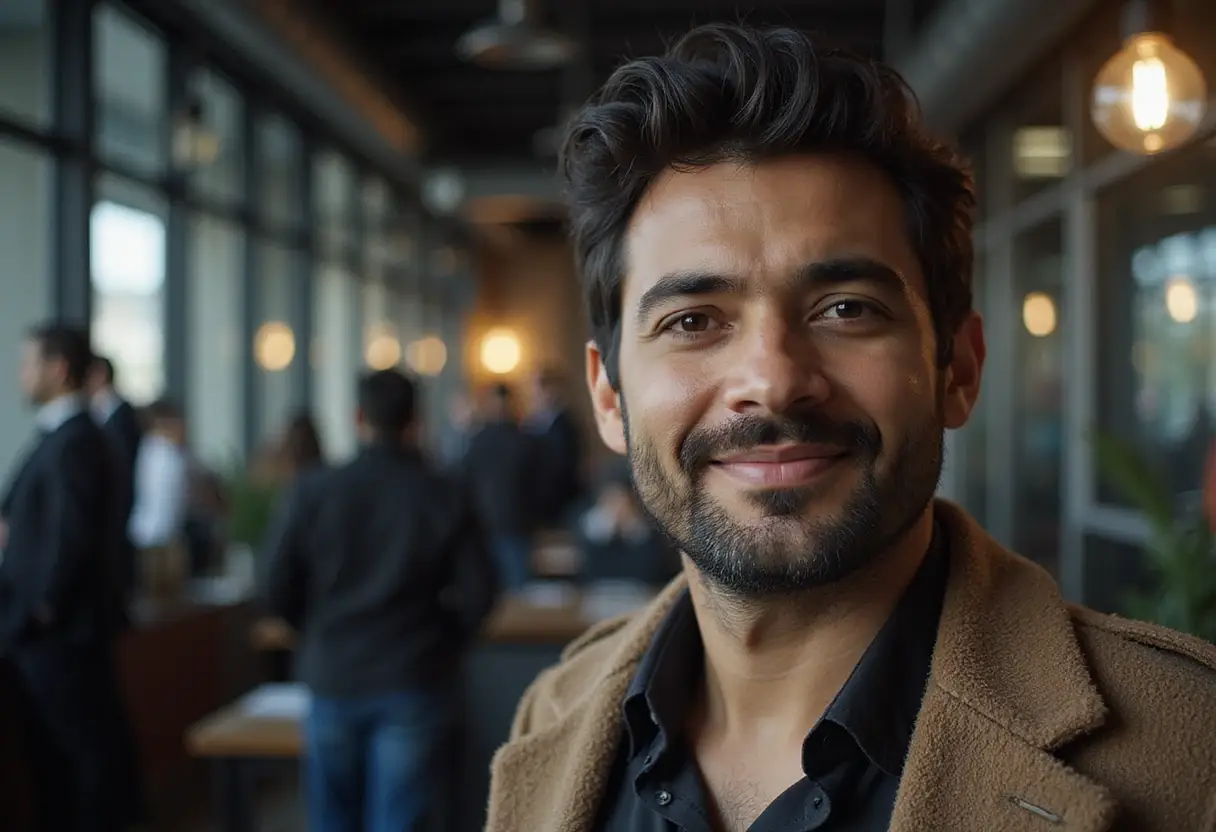
Orkut's founder wants users to sign up to revive the 300-million-user network Google killed in 2014 — but says nothing about a product, timeline, or launch.
By Grace Kim
3 min readAt a glance
- Orkut shut down in September 2014 after peaking at roughly 300 million active users.
- Founder Orkut Büyükkökten posted on X on Thursday asking users to sign up at Orkut.com in support of a revival.
- Büyükkökten has not confirmed whether a new version of the platform is in development.
- His previous social network, Hello, launched in 2016 and shut down in 2020 after 2 million+ downloads.
- In 2024 he told WIRED he was building an AI-based social network that has yet to launch.
Orkut, the social network Google shut down in September 2014 after it peaked at roughly 300 million active users, may be staging a comeback — but its founder has not confirmed that anything is actually being built.
Founder Orkut Büyükkökten posted on X on Thursday urging users to visit Orkut.com and add their names in support of reviving the platform, and to invite others to join. The pitch centers on a renewed focus on friendship, community, and human connection — a direct counter to the algorithmic feeds and AI-generated content that now dominate the major platforms.
What is the founder actually proposing?
In a letter published on Orkut.com, Büyükkökten, 51, criticized how social media has evolved over the past two decades, pointing specifically at algorithms and AI-generated content.
"Artificial intelligence is extraordinary technology, but it's dissolving the one premise that made social networking special and worth building: that there was a person on the other side," he wrote.
"I know how to get there: we rebuild the internet we first loved. The one with authentic people, real connection, and genuine belonging," he added.
That is the extent of the official communication. Büyükkökten has not clarified whether a new version of the platform is already in development or whether it will ever launch. An email seeking comment from him did not elicit a response.
Does the founder have a track record of comebacks?
This is not his first attempt at a return to social networking. The history matters for anyone gauging the odds here:
- Orkut launched in 2004 as a side project while Büyükkökten worked at Google. It became hugely popular in India and Brazil before losing ground to Facebook, prompting Google's 2014 shutdown as the company pivoted to Google+ and YouTube.
- In 2016, two years after Orkut's closure, he launched Hello, a social network built around shared interests. It shut down in 2020 after more than 2 million downloads worldwide — a fraction of Orkut's roughly 300 million active users.
- In 2022, he posted a note on Orkut.com saying he was "building something new," without details.
- In 2024, he told WIRED he was working on a social network that would "leverage AI and machine learning" to build communities. That platform has yet to launch.
The pattern is consistent: announcements and hints, no shipped product. The current campaign is a petition-style sign-up drive, not a launch announcement — a distinction practitioners should keep in mind before treating Orkut as a coming distribution channel.
Why the pitch lands in 2025's climate
The anti-algorithm, anti-AI framing is not incidental. Büyükkökten is positioning Orkut's revival around exactly the fatigue markers that marketers and creators report across today's platforms: declining organic reach, AI-generated filler, and feed experiences optimized for engagement rather than connection.
Whether nostalgia for a network that died over a decade ago can convert into an active user base is unproven. Hello's 2 million downloads against Orkut's 300 million users suggest the founder's name alone did not carry the audience the first time he tried.
For now, the concrete facts are these: a support-signing page, a letter, and an X post. No development timeline, no funding details, no launch date.
If the revival does materialize, early movers in markets where Orkut once dominated — India and Brazil — would have first-mover advantages on a platform explicitly marketing authentic human connection. Until Büyükkökten confirms an actual product, the comeback remains a petition with a famous name attached.
Original: orkut.com
Grace Kim
Show full bio
Senior reporter covering companies, deals and strategy in Social platform news and policy at Reach Brief.
Related articles
One Editor Killed Her Feed Algorithm for 24 Hours. Here's What Happened
Aura Reaches 10 Million Users by Betting on Small, Intimate Networks
Bluesky's Attie Now Lets Anyone Build Sites and Games on AT Protocol
Instagram India's Arun Srinivas and Kusha Kapila Look Past Follower Counts
#BookTok's Powerhouse Era Credits Creators, Hello Partner Reports