#paid's Annual Summit Is Now Its Biggest Growth Channel
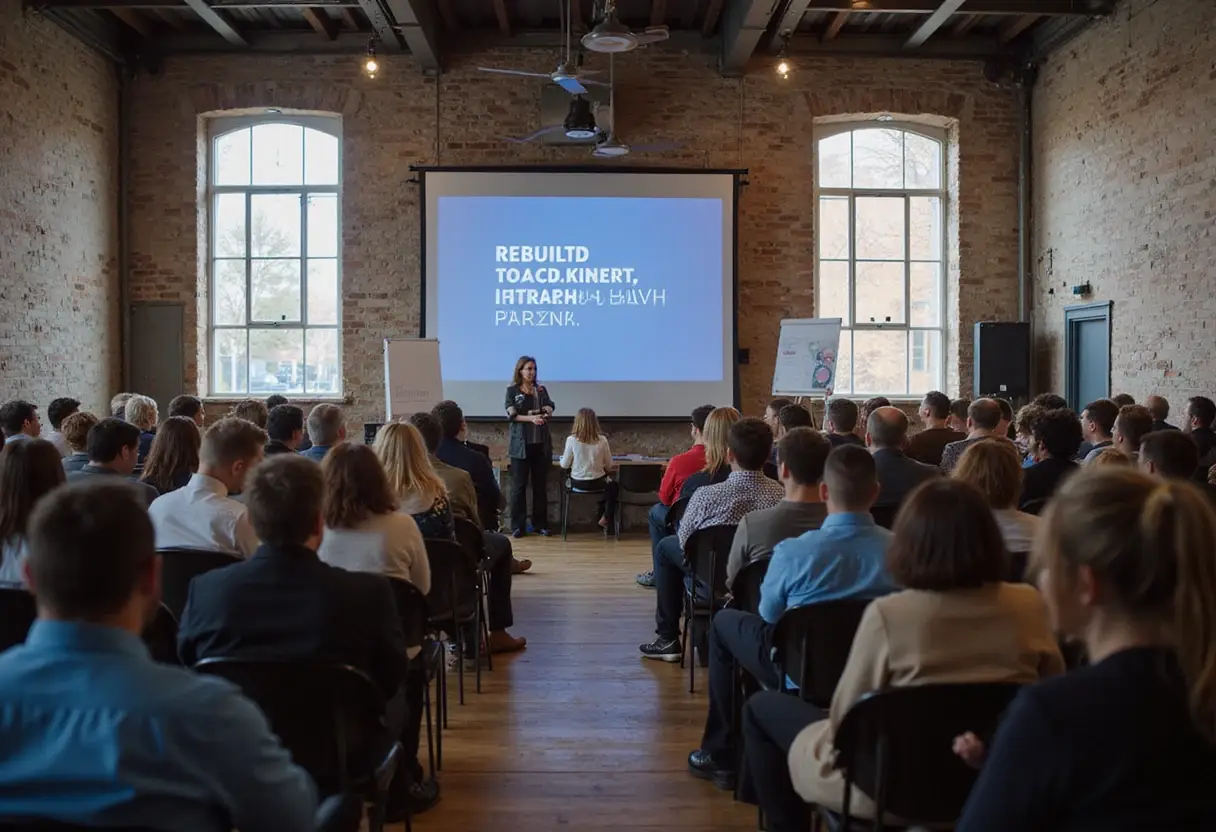
#paid rebuilt its creator-economy conference from scratch, and the annual summit is now the company's biggest growth channel, Net Influencer reports.
By Nathan Brooks
2 min readAt a glance
- #paid's annual summit is now the company's biggest growth channel, per Net Influencer
- The company rebuilt its creator-economy conference format from scratch
- The event was redesigned to feed the company's core marketplace business
- The report frames the summit as a growth engine rather than a marketing expense
#paid's annual creator summit has become the company's single biggest growth channel, according to a Net Influencer report. That marks a deliberate shift: the creator marketplace rebuilt its conference format from scratch, and the bet paid off.
The company didn't just refresh a schedule. It reworked the event around what a creator-economy conference is supposed to do — connect brands, creators and platform partners in ways that feed back into #paid's core marketplace business. The summit now functions less like a marketing expense and more like a growth engine.
What changed in the format?
The report frames the rebuild as a structural rethink rather than a cosmetic one. Instead of running a standard industry conference, #paid designed the summit to serve its own funnel — turning attendees, sponsors and creators into marketplace activity. In practice, that means the event doubles as a live demonstration of what the company sells: brand-creator collaboration at scale.
For a marketplace, that's a smart use of an owned event. Conferences typically sit in the marketing budget and get measured on leads. #paid appears to measure its summit on growth outcomes instead, which is why the company now calls it its biggest channel.
The takeaway: an owned event can outperform paid channels when the format is built around the product rather than around the agenda.
Why does this matter for practitioners?
Creator-economy companies have spent the past two years cutting event budgets and pushing budgets into performance marketing. #paid's result pushes back on that instinct. If a summit can become a marketplace's top growth driver, the event line item deserves a harder look than most teams give it.
It also signals where creator-economy business models are heading. Marketplaces live or die on liquidity — enough brands and creators transacting at once. A physical summit concentrates both sides of that market in one room, which digital ads can't do.
The lesson for agencies and brand teams: owned events are distribution, not just branding.
What's the bigger picture?
The Net Influencer report positions #paid's summit as evidence that the creator-economy event category still works — but only when the event ties directly to revenue. Generic conferences have struggled with attendance and sponsorship renewals industry-wide. Formats that plug into a company's actual transaction flow, like this one, are the exception.
Whether other marketplaces can replicate the model depends on whether they have a two-sided business dense enough to justify the format. If #paid keeps compounding growth through its next summits, expect more creator-economy companies to copy the playbook rather than sponsor someone else's stage.
Source: Google News: Creator economy
Nathan Brooks
Show full bio
Staff writer covering companies, deals and strategy in Social platform news and policy at Reach Brief.
Related articles
Digiday: Creator economy splitting into media buys and mega deals
Vogue Wades Into the Creator Economy Fight — With More Questions Than Answers
Dhar Mann Claims $100M in Creator Deals Already Pledged at AWNY
Top Talent Reps Frame Creator Economy as Entertainment's New Business Model
Three Creator Economy Events Converge in Late September