Roon sets a 250,000-physician goal for its doctor-only network
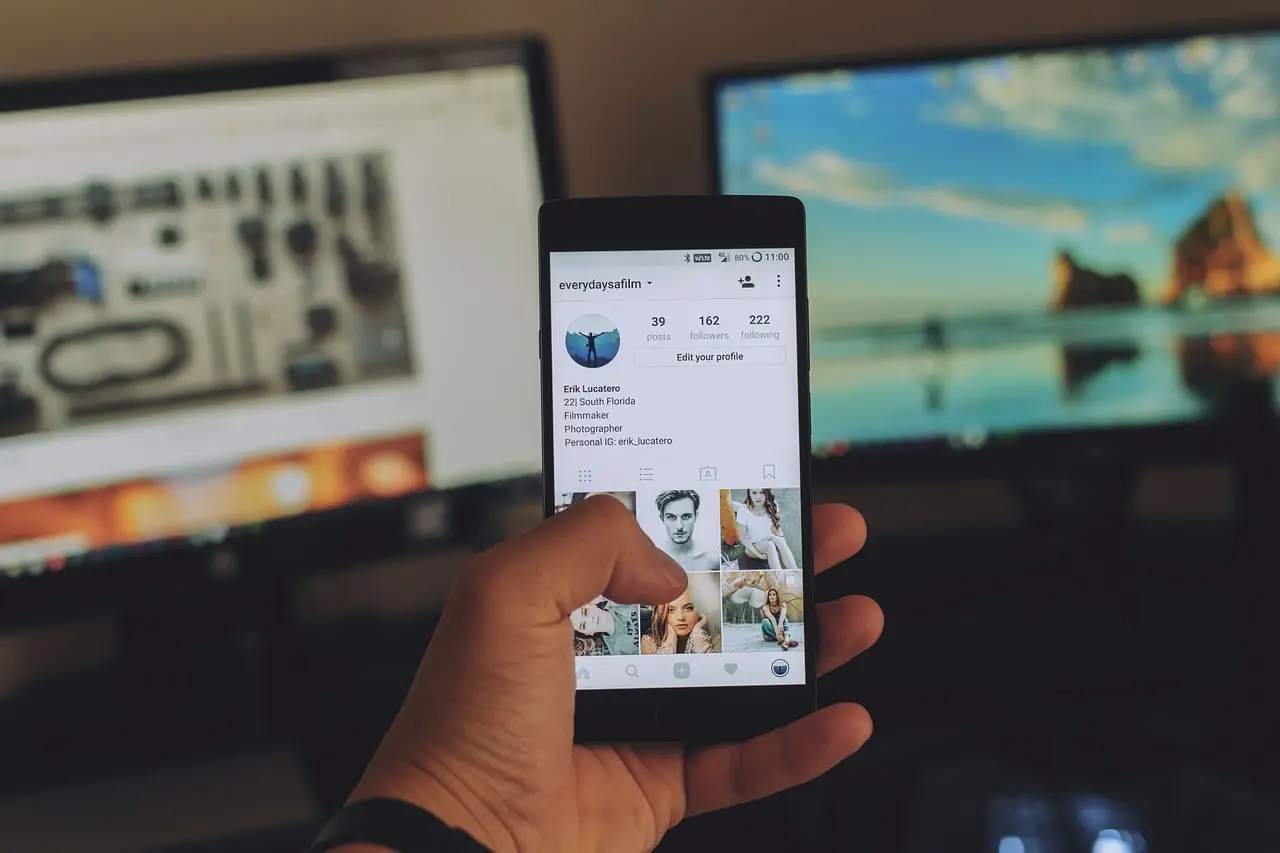
Roon has tens of thousands of users and aims for 250,000 by the end of next year, nearly one-quarter of the 1.08 million U.S. physicians licensed in 2024.
By Sophie Lindqvist
4 min readBy Sophie Lindqvist
Roon’s physician network has tens of thousands of users and aims for 250,000 by the end of next year. That target equals almost one-quarter of the 1.08 million U.S. physicians licensed in 2024. Founder Vikram Bhaskaran provided both figures.
The platform currently admits only M.D.s and D.O.s licensed in the United States. One year after launch, Roon is expanding sharing tools for treatment advice, conference photos and grouped media.
Bhaskaran and Arun Ranganathan are Pinterest alumni. Both led engineering teams tied to creators, content and partners. Their third cofounder, Dr. Rohan Ramakrishna, is chief of neurosurgery at New York-Presbyterian Brooklyn Methodist Hospital.
Why do doctors need a separate network?
Ramakrishna specializes in brain tumors. His clinical circle is narrow. He said: “the doctors I interact with on a regular basis are radiation oncologists and neuro-oncologists, and that’s it.” He also said hospital doctors’ lounges are disappearing. That removes another place for medical conversation.
Roon began with a different proposition. The founders planned a service for doctors to give patients information. Then early users showed stronger interest in what peers had to say. The founders reworked the platform around those conversations.
The app now echoes #MedTwitter in some ways. Two physicians described that X community as an open-source environment that democratized medical information in a 2021 paper. The hashtag still exists. But X’s transition and algorithm changes scattered some participants to other platforms.
Ramakrishna said changing science, politics and policy leave physicians without one reliable home, while Bhaskaran says Roon creates new knowledge as members unpack developments together.
More than 400 founding physicians helped shape the network. The company says they came from varied specialties and institutions. It also says they hold ownership stakes in Roon.
Bhaskaran said the original thesis was a safe, private place to collaborate and connect. The founders hope Roon will help separate signal from noise as social apps shift and online misinformation spreads.
How does Roon differ from clinician platforms?
Clinician communication is already crowded. Doximity offers an AI scribe and other tools. It says more than 85% of U.S. physicians are registered members.
Other platforms include Sermo, Figure 1 and Mednet. Doquity is used across much of Asia. Marit Health lets medical professionals share salary data.
Roon adopts the appearance and functions of mainstream social media. Physicians discuss research, policy changes, news-driven health issues and patient-care questions.
One question shows the cross-specialty model. A reproductive-health and pituitary-gland query from a family physician drew replies from peers in family medicine, obstetrics and gynecology, high-risk maternal-fetal medicine, neurosurgery and neurology.
Users can also form private groups. One is for chief medical officers, and another is for residential program directors. A new Collections feature groups related content and media like Pinterest boards.
Who can join and how will Roon expand?
For now, access remains limited to physicians with M.D. or D.O. degrees licensed in the United States. That restriction lets members exchange field expertise unavailable through published papers, chatbots or AI. Bhaskaran says much of that knowledge lives in people’s heads. No subscription price or advertising model is disclosed, so the cost for members remains unclear.
Growth faces another obstacle: fragmentation, because physicians already spread across several social apps while some value perspectives from nurses, pharmacists and colleagues in other countries.
Roon plans to admit selected non-physician specialists, including infectious-disease scientists, although building the core physician community remains its first priority and must come before broader expansion.
Bhaskaran said verification outside the United States will be difficult. Expansion will therefore proceed carefully. A waitlist remains open to medical professionals.
Where does AI fit?
Roon uses AI to populate physician profiles, route questions to specialists and summarize content. The company is also developing an audio digest of medical news and related posts.
That utility raises a data question. Real-world medical expertise could help train large language models. Some physicians on X have objected to that use of their posts.
A company spokesperson said Roon currently has no plans to sell its data. The company may use it to refine its own models. It has not definitively ruled out future third-party LLM uses.
Bhaskaran argues that human networks will gain value as people struggle to identify who wrote online content. He expects community to outlast any specific technology. He added: “We’re taking kind of an old school bet—which is, there’ll be value for community, and that’ll transcend any specific technology.”
Next year’s 250,000-user target will test whether Roon can widen access without weakening its verified, specialty-led exchange.
Source: fastcompany.com
Sophie Lindqvist
Show full bio
Correspondent covering people, launches and day-to-day practice in Social platform news and policy at Reach Brief.
Related articles
Huberman Joins Hims & Hers Board as Peptides Go Mainstream
Former Network TV Journalists Are Building Seven-Figure Indie Media Brands
Dubai Health Authority draws new rules for medical social media ads
OpenAI Launches Business Hub: ChatGPT Presence Management Goes Live
MESC Names KlugKlug Its Official Influencer Intelligence Platform