Scripps Puts YouTube Creators on TV With One Test: Reusability
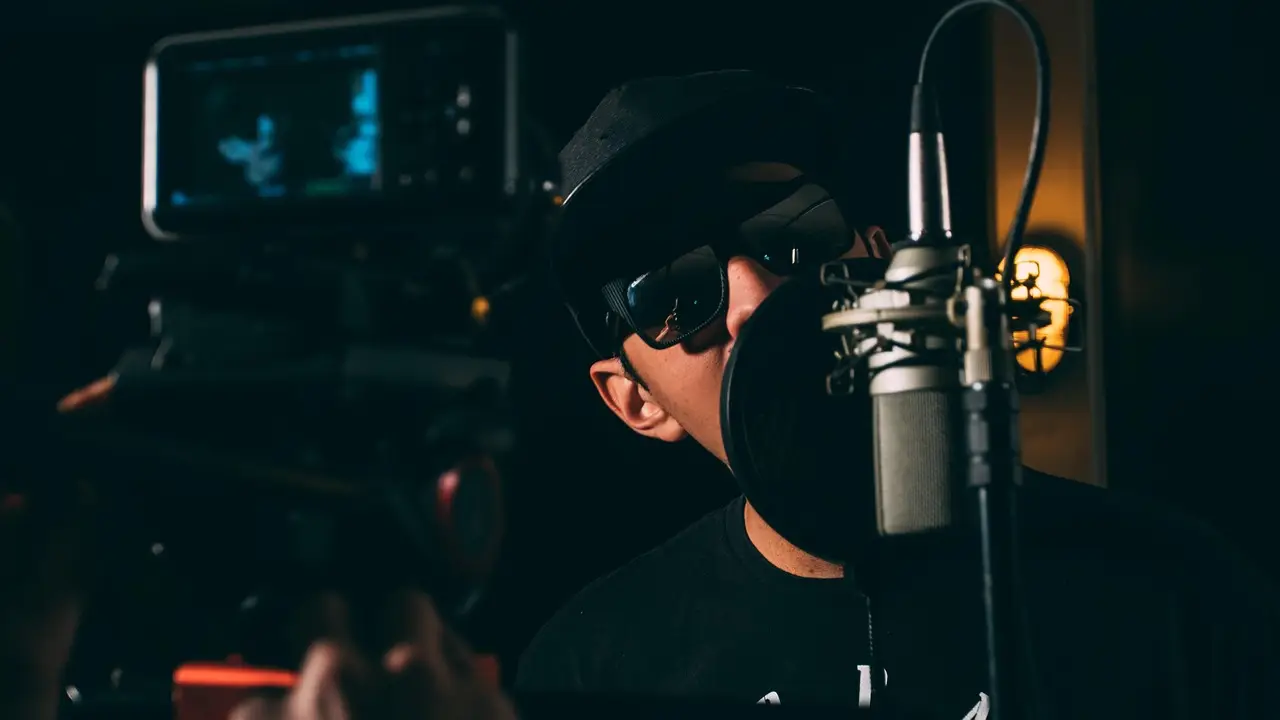
Scripps is licensing YouTube creators for linear TV, applying one test to every deal: whether the show can be rerun, recut and spread across its networks for years.
By Sophie Lindqvist
4 min readAt a glance
- Scripps Sports Network began airing a YouTube-creator series in October 2026.
- "The Makeshift Project" draws more than 6.5 million viewers, per Scripps.
- Adam Harman joined Scripps in December 2024 after a decade as an A&E VP.
- "Total Replay" airs 30-minute episodes Wednesdays with an hour-long YouTube version next day.
- Scripps has finished 2026 launches and is recruiting creator partners for 2027.
The E.W. Scripps Company began airing a YouTube-creator series on its free streaming channel Scripps Sports Network in October, and every creator show it buys faces the same test as any acquired program: can it be rerun, recut and spread across the company's networks? Adam Harman, who oversees content acquisition and programming strategy at Scripps, applies that question to every deal, from a small video-podcast investment to a major studio procedural for ION.
"Consumer habits have changed, and I think most companies are recognizing that and realizing that good content is good content," Harman said. "If you're not adapting, you are behind the curve."
How does Scripps model creator deals?
Harman joined Scripps in December 2024 after more than a decade as a vice president at A&E, plus programming roles at Hallmark Channel and NBCUniversal's Style Network during the rise of reality TV. "A lot of the ways I'm thinking about the creator content today is not dissimilar to that moment in reality TV," he said.
He now runs acquisitions and original programming for the Cincinnati-based company's national networks — ION, Bounce, Grit and Laff — plus several free ad-supported streaming (FAST) channels. Scripps Sports Network launched in March as a free 24/7 channel built around men's and women's sports that "have not been given the opportunity to succeed," from women's professional baseball to volleyball. Creator formats fill part of its schedule.
The financial logic favors repeatability. Harman prefers programming Scripps can reuse for a month, a year or 10 years over a show about last Saturday's game, which quickly loses value. "Whether it's a smaller video podcast investment or buying a new procedural show for ION from one of the major studios, the principles of the business remain the same," he said. "We're still in the really early innings here. If it's working, the volume will grow, as will the investment."
What makes a creator format work on linear TV?
YouTube content has not always fit a linear lineup, because it can lack a consistent format or episode length. Two changes are easing that: rising creator production quality and networks telling stories outside the standard half-hour or hour clock. "The barriers to entry are starting to break down," Harman said.
"The Makeshift Project," hosted by lifelong friends Zach Misischia and Brian Conforth, shows the model. The YouTube channel and podcast draws an audience of more than 6.5 million, according to Scripps. Harman found the duo on Instagram after noticing more than 10 people from different stages of his life followed them. "You could really see the data in front of you, that these guys were a draw for a lot of different people," he said, acknowledging the small sample.
Their series, "Total Replay with the Makeshift Project," airs as a 30-minute episode on Wednesday nights, with an hour-long version on the "Scripps Sports" YouTube channel the next day. "I really love formats that you can treat like an accordion," Harman said. Live sports make that flexibility practical: a volleyball match scheduled for five sets can end in a sweep, and Makeshift's segments can stretch or shrink to as little as a quarter hour. Two weeks in, Harman reported "really nice growth" and said repeat viewing matters more than a premiere.
Who keeps ownership of the shows?
One show can serve several channels. Makeshift content also runs on Laff and local stations; "Beyond the Curve," hosted by Olympic champion Sanya Richards-Ross, runs on Bounce and Bounce XL. The fit has limits — Harman has yet to find a format bridging sports and westerns — but one deal can reach several distinct audiences.
Deal structures are mostly bespoke. Scripps licensed Makeshift's YouTube episodes for a set window while the creators kept full ownership; Scripps owns the original spin-off, made in partnership. "We may own the show, but it's their brand, they built it," Harman said. Brand funding matters too: on free ad-supported channels, Harman favors organic integrations, and a daytime talk show pitch for next year included the host's brand relationships to offset rising costs.
Scripps has finished its 2026 launches. Harman's priority now is lining up creator partners for 2027, eyeing recognizable talent such as Suzy Kolber — whose show "The Originals" drew a wave of press after her ESPN years — alongside creators with small followings and strong hooks, like fitness creator Anatoly.
Source: netinfluencer.com
Sophie Lindqvist
Show full bio
Correspondent covering people, launches and day-to-day practice in Social platform news and policy at Reach Brief.
Related articles
HardScope Launches With Creator-Led IP Studio and Digital Slate
FOX Doubles Down on Creator Economy With Two Senior Creator Studios Hires
JEEVMEDIA spins out EYDIT as dedicated post-production arm for creators
E.l.f. Beauty Boosts Organic Creator Wins With Paid Spend
Wovvo Says 67% of Creators Earn Under $10,000 — Its Fix Is Skills First