Streaming TV Platforms Are Now Buying Rebuilt YouTube Catalogs
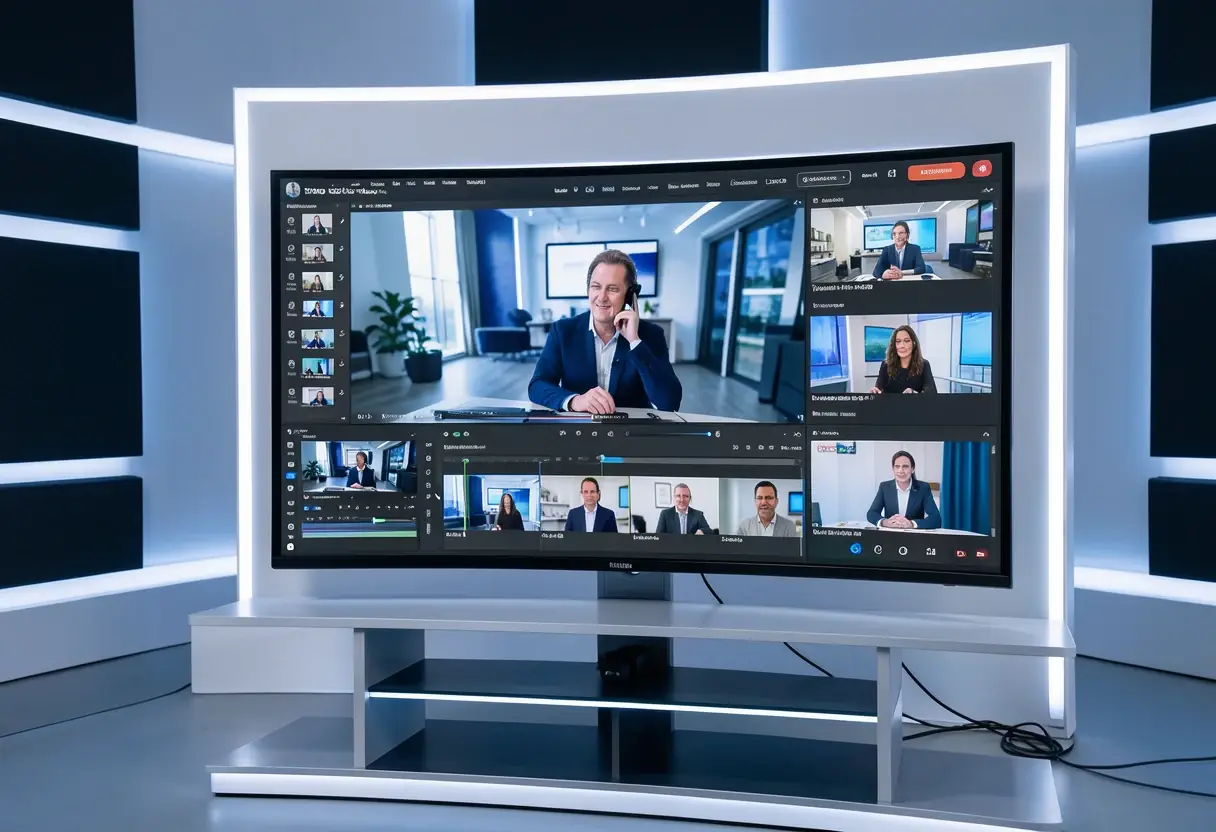
Streaming TV platforms now approach Motion Society directly for rebuilt long-form YouTube catalogs. Its US chief Chanel Simmons explains the model, benchmarks and who qualifies.
By Nathan Brooks
4 min readAt a glance
- Motion Society works with 650+ creators and drives 8+ billion monthly views across 20+ platforms; 200+ clients use it for streaming TV.
- Streaming TV requires full rebuilds: YouTube CTAs stripped, seasonal grouping, up to 50-page upload briefs, and media liability insurance in the millions.
- Qualifying catalogs generally need 100,000+ subscribers, weekly uploads, and mostly videos of eight minutes or longer.
- Benchmarks from 350+ Spotify shows let the company judge a new page within 20 days; nothing about promotion is guaranteed.
- US Managing Director Chanel Simmons expects significantly more creator content on streaming TV in 2027.
By Nathan Brooks
Streaming TV platforms have started approaching content distributor Motion Society directly, asking for long-form YouTube libraries rebuilt to television standards — a reversal of a market where the company once chased buyers by email. Chanel Simmons, appointed U.S. Managing Director roughly two months ago after stints leading YouTube syndication at Fullscreen and creator partnerships at Meta and Spotify, says the inbound demand changed fast.
The numbers behind the shift are sizeable. Motion Society, founded in 2022 and based in Paris and Barcelona, works with more than 650 creators and IP owners, distributes over 30,000 videos a month across more than 20 platforms, and drives more than 8 billion monthly views. More than 200 clients use it specifically for streaming TV, and the U.S. accounts for about 70% of its creator business.
How does the revenue model work?
Motion Society earns only from pages its team fully operates — a creator's Facebook, Spotify, MSN, Snap or streaming TV presence. "The long-form content translates very well to Facebook, Snapchat, MSN, Spotify and then now the OTT space as well," Simmons says. "It just can go much further and exist in a lot more places."
She draws a hard line against the multichannel network era she entered at Fullscreen in 2017. MCNs typically took about 10% of a creator's YouTube revenue while the creator kept running the channel. Motion Society instead re-edits, merchandises and schedules everything on the platforms it manages. Creators stay hands-off: content is scheduled two weeks ahead, and Simmons estimates about 98% of clients opt out of approvals entirely.
What does streaming TV require?
Every video gets rebuilt. "Most, if not all, YouTube videos were not made with the intention of being on streaming TV," Simmons says. The team strips YouTube calls to action, reworks pacing and openings, groups episodes into seasonal drops, and often builds new thumbnails — some platforms require multiple dimensions, usually without text. Upload briefs can run to 50 pages. "Even with the content guidelines, there's no wiggle room," she notes.
Brand integrations come out too, because brands paid only for the YouTube placement. The bigger surprise for managers and agents is insurance: streaming platforms can require media liability coverage in the millions, so Motion Society holds the policy itself rather than asking each creator to buy one. Take it as a sign that streaming TV is a production pipeline, not a re-upload.
What does the data show?
Simmons saw the company's performance from the buyer's side at Spotify, where Motion Society was her client for about a year and a half. Among creator service providers on the platform, it generally posted the highest consumption hours and revenue per show, which she credits to being the only CSP uploading via API through Megaphone, Spotify's enterprise tooling. That pipes performance data back into internal systems.
With more than 350 shows on Spotify, the benchmarks are sharp. "They could tell within 20 days of launching a new page on Spotify if it was going to likely do well long term or not," Simmons says. An internal operating system, the company estimates, saves its 50+ employees more than half the time they'd otherwise spend on operational tasks.
Is anything guaranteed?
No. Projections, launches and platform promotion are "never guaranteed," Simmons repeats. At Spotify, many top "Call of Duty" creators her team onboarded through mass outreach didn't perform — "If that happens, you pivot." Platforms also weigh content against their own brand pillars and advertisers, and editorial teams pick favorites.
Who qualifies?
The bar starts at roughly 100,000 subscribers, weekly uploads, and a deep enough library of usable videos. Length matters more: the company generally takes a creator only if most of their videos run eight minutes or longer, since longer videos pay better on these platforms. Smaller creators, she advises, should build that long-form base on YouTube first. "If you can get a stable, solid YouTube channel going, that can be such stable, consistent revenue," she argues.
Approved content still moves slowly — 60 to 90 days from asset submission to going live, after platforms review the roster in depth. Simmons expects the pipeline to widen: "We'll definitely see a lot more creator content just on the streaming TV space in 2027, for sure," she says, citing clients already approved on some platforms.
Source: netinfluencer.com
Nathan Brooks
Show full bio
Staff writer covering companies, deals and strategy in Social platform news and policy at Reach Brief.
Related articles
A True-Crime Creator Made $154,000 in One Month From Old YouTube Videos
Three-Person Creator Firm What's Trending Hits Seven-Figure Revenue
DMG Media's social-only briefs now drive 30% of New Media revenue
Political Creators Split Platforms; YouTube Shares 55% of Ad Revenue
YouTube Creator Latest to Jump From Feeds to Streaming