Syracuse Claims First US Academic Center for the Creator Economy
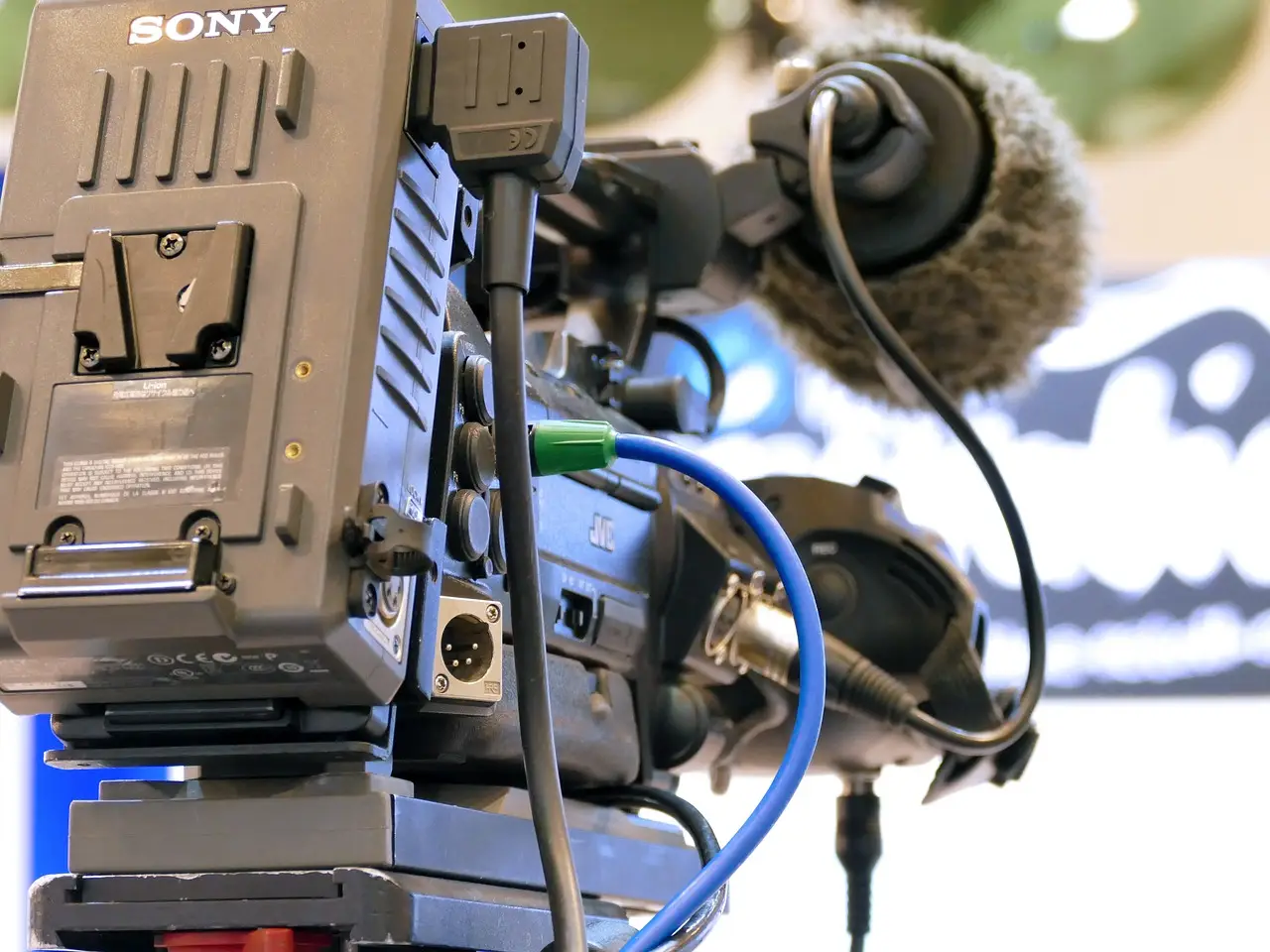
Syracuse University's Center for the Creator Economy, launched last fall, now offers a university-wide minor, a $500 billion market pitch and Congressional briefings.
By Tom Whitfield
3 min readAt a glance
- Syracuse says its Center for the Creator Economy is the first academic center for content creation in the US
- Chancellor Michael Haynie launched the CCE last fall; a university-wide minor was added this school year
- The creator economy could be worth $500 billion next year, per figures presented at 'Cuse Creator Con
- CCE members attended both a Congressional and a Senate Creator Caucus this year
- Several hundred students, professors and researchers attended the second annual 'Cuse Creator Con
Syracuse University says its Center for the Creator Economy is the first academic center in the United States focused on content creation — and it is backing that claim with a new minor, Congressional appearances and a conference that drew several hundred attendees.
The center, launched last fall by Chancellor Michael Haynie, operates as a collaboration between the Whitman School of Management and the Newhouse School of Public Communication. This school year it expanded to include an academic minor open to every student at the university. The program provides podcast booths and other production resources, teaches the business side of online creation and conducts research on digital spaces.
At the second annual 'Cuse Creator Con, held over Thursday and Friday, the university framed content creation as an ecosystem of creators, publicists, brands and lawmakers — an industry that could be worth $500 billion next year.
What does the center change for creators?
For practitioners, the center's pitch is legitimacy. "(Content creation) is seen as frivolous, it's seen as something that doesn't involve thought and planning and strategy and consistency," said Brooke Erin Duffy, a Cornell University professor and researcher. "Saying, 'No, it actually does involve this,' is so critical."
Speakers stressed that creator skills transfer beyond the feed. Essie Acolatse, a content creator and associate director at Spotter, said students learn to shoot videos, write scripts and market themselves — capabilities that carry into other industries.
"I always tell people to get that degree, so the fact that students are able to get a degree and they're able to learn about (content creation) at Syracuse is so cool," Acolatse said. "It's exactly what students need to be successful as content creators."
Students are already using the resources beyond personal channels. Senior public relations student Arianna Savino filmed videos at the Con for the Newhouse account and is building a personal brand for Chancellor Haynie as her capstone project. "I myself am not a creator, but I don't think you have to be a creator yourself to utilize the program," Savino said.
Haynie has leaned into the format himself. Since taking over as chancellor earlier this year, he has posted Instagram videos riding around campus with Otto the Orange, bringing his puppy to football practice and meeting parents on move-in day.
What is the research agenda?
The center is also steering scholarly attention toward inequity in the field. Researchers, including Duffy, spoke on a panel about how content creation skews toward white, conventionally attractive people, making it harder for creators outside that profile to build an audience.
Doctoral students said the conference brought their citation lists to life. "People we cite in our research every day are coming to life," said Akshaya Chandrasekaran, a media studies Ph.D. candidate.
CCE director Ryan Schram is also positioning Syracuse as a policy resource. Center members attended both a Congressional and a Senate Creator Caucus this year. Schram said the university does not lobby for specific bills but supplies balanced information to legislators and stakeholders.
"It allows us to not only have a seat at the table, but for people to look at us and say, 'You are truly the agnostic independent view in this,'" Schram said.
"(The CCE) pulls back the veil on what creators actually do, the number of people involved in these processes and the implications of creator fields and creator industries," said Mariah Wellman, a Michigan State University professor.
With a $500 billion market projected for next year, Syracuse appears positioned to keep converting a so-called hobby into a credentialed, research-backed discipline.
Source: Google News: Creator economy
Tom Whitfield
Show full bio
News editor covering regulation, policy and their impact on Social platform news and policy at Reach Brief.
Related articles
Syracuse University Launches First Academic Program From Its Creator Economy Center
Syracuse University Names First Creator Economy Center Director
Syracuse University Taps Ryan Schram to Lead New Creator Economy Center
Syracuse Names Ryan Schram to Lead First Creator Economy Academic Center
Syracuse U claims nation's first creator economy academic center