Trump’s Shenzhen visit tops Weibo with 200 million views
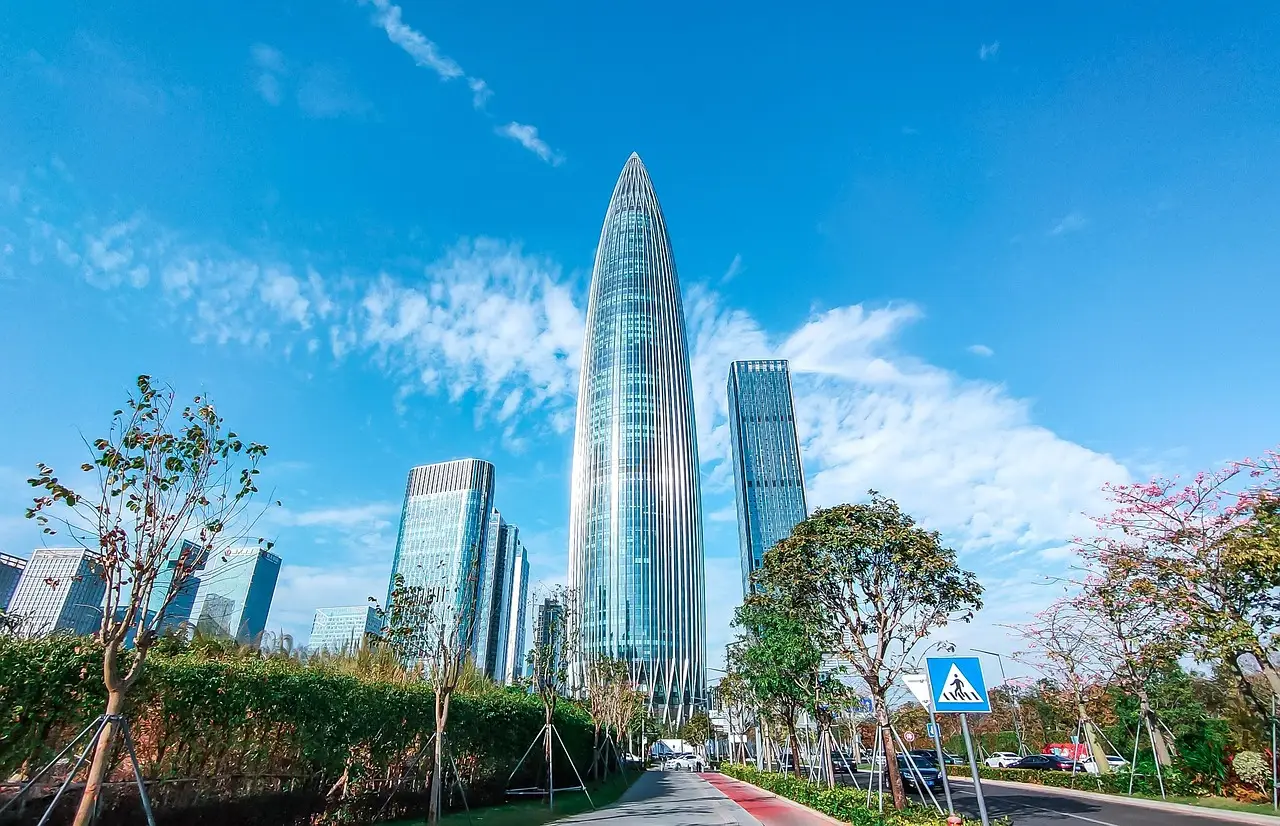
Donald Trump’s Shenzhen visit generated more than 200 million Weibo views by Thursday noon, reviving online enthusiasm before planned talks with Xi Jinping and Vladimir Putin.
By Sophie Lindqvist
4 min readAt a glance
- Weibo posts about Trump’s Shenzhen visit passed 200 million views by noon Thursday.
- The Air Force One red-carpet topic reached 120 million views and ranked first Wednesday evening.
- #TrumpVisitsChina drew 210 million hashtag visits within one day of Trump’s May arrival.
- The report counted Shenzhen as Trump and Xi’s third in-person meeting of the year, with a fourth planned for December’s Miami G20.
- Trump said he would raise Ukraine, while White House officials said they had not planned it.
By Sophie Lindqvist
Posts about President Donald Trump’s Shenzhen visit had cumulatively generated more than 200 million views on Weibo by noon Thursday, local time, according to the report. The figure counted cumulative views, not verified unique users.
Trump arrived in the Chinese technology hub on Wednesday evening for the annual Asia-Pacific Economic Cooperation summit, hosted by Xi Jinping, during a trip that also included planned meetings with Xi Jinping and Vladimir Putin. The red-carpet welcome for Air Force One reached the top of Weibo that evening and drew 120 million views.
What turned the visit into a trending topic?
Residents gathered near road barricades to take selfies and record the presidential motorcade. Weibo users uploaded their photos and videos, turning a moving security perimeter into a stream of shareable scenes.
Memes and lighthearted jokes also filled Weibo. The report said Beijing guides heavy moderation across official Chinese social media platforms and identified no new moderation rule or algorithm change.
One Weibo blogger wrote: “The fan support is wild. Trump has beaten the entire Chinese entertainment industry.” The remark captured one user’s reaction, not a platform measurement.
Some users treated blurry photos of Trump looking through the presidential limousine, known as “The Beast,” as evidence that he admired Shenzhen. That interpretation was creator speculation; the source did not confirm his thoughts.
How does the reaction compare with May?
The report described Trump as a cult figure in China even while out of office, a pattern that reappeared during his May visit to Beijing, when #TrumpVisitsChina drew 210 million hashtag visits within one day of his arrival. The 210 million represented hashtag visits, not confirmed unique viewers. The report also contrasted that reaction with President Joe Biden, who never visited China during his White House tenure.
What can social and media teams infer?
Social teams can read the figures as event-driven reach, but not as a standard campaign benchmark. The source documented an arrival, a motorcade, red-carpet images and a dense burst of memes. It did not identify an algorithm change, ad product, media plan or promotion driving the spike.
- Reach: More than 200 million topic views and 120 million views for the leading topic offer scale, not unique people. The source supplied no methodology, independent audit, retention rate or off-platform reach.
- Audience: The activity occurred on Weibo, a major Chinese platform similar to X, during a state summit. The source does not show how many users felt supportive or whether moderation changed distribution.
- Budget: No campaign spending, CPM, ad pricing or creator fee appears in the source. A media team cannot calculate a defensible cost per view or budget multiplier from these totals.
- Formats: Photos, video, memes and jokes supplied the documented material. The source does not establish that these formats outperform other content on Weibo.
For a creator or brand watching the spike, the immediate lesson is to verify platform counts, moderation context and actual engagement before translating them into forecasts. A comparable event can generate large platform attention without offering evidence of repeatable performance.
What is planned at the summit?
The report said Trump would meet Xi and Russian President Vladimir Putin this week in a trilateral meeting. It called the meeting high-stakes amid growing tensions among the three countries and listed nuclear arms reduction as a major agenda topic.
Statements about Ukraine diverged. Trump said he intended to raise the issue, while White House officials later said they had not planned it for discussion. The political schedule and official statements should not be conflated with users’ online theories.
The White House had not responded to a comment request sent outside regular business hours when the report was published. That leaves its fuller response to the article unstated.
The report counted the Shenzhen meeting as Trump and Xi’s third in-person meeting of the year. A fourth was planned for the December G20 summit in Miami.
Tesla CEO and SpaceX founder Elon Musk was also joining Trump for parts of the China trip, and the report said his companies have significant business interests in China. Officials did not expect him to join the official meetings.
What happens after the red-carpet spike?
After the summit, week-by-week totals and any disclosed methodology will show whether attention persists beyond the red-carpet welcome and motorcade footage that powered the initial spike. Until then, the defensible conclusion remains narrow: Trump’s presence generated more than 200 million Weibo views, while unique reach, platform mechanics and campaign economics stayed unmeasured.
Source: feeds.businessinsider.com
Sophie Lindqvist
Show full bio
Correspondent covering people, launches and day-to-day practice in Social platform news and policy at Reach Brief.
Related articles
Wealth Led U.S. Instagram Growth in October With 3.5M Followers
Jensen Huang's Resignation Becomes AI Meme Fodder — On Nvidia's Own Chips
Tzuyang Laments Closed Shops as YouTube Monetization Fears Shrink Mukbangs
Mukbang star Tzuyang pledges moderate eating amid Korean YouTube debate
Viral Trump “enemy of the greatest president” post was fabricated