Brand-Funded Creator Series Cost $150K to $5 Million, Exec Says
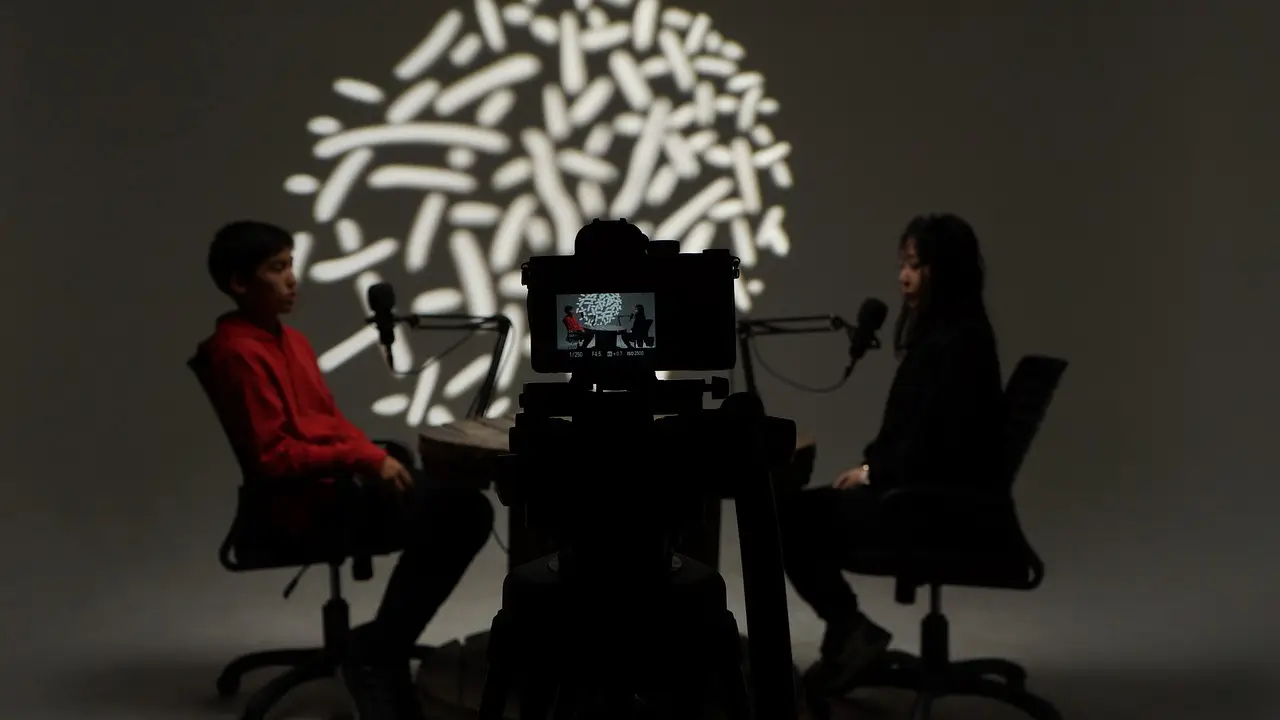
Creator-led long-form series run brands $150K to $5M, says G&B's Cyndi Steele, as platforms push serialized shows and brands recycle creator content across TV and ads.
By Grace Kim
3 min readAt a glance
- Brand-sponsored creator long-form series cost $150,000 to $5 million, per G&B Digital's Cyndi Steele
- A 40-piece content package (10 episodes plus 3 short videos each) averages $300,000-$500,000
- 57% of brands cite content generation as a creator campaign goal, per LTK and Northwestern
- 50% of brands use creator content for display ads; 36% use it on connected TV
- Creators typically retain majority IP ownership in 60-40 or 70-30 splits with the studio
Brands sponsoring creator-led long-form original video series can expect to pay anywhere from $150,000 to $5 million, according to Cyndi Steele, a former TV executive producer who now leads talent management firm G&B Digital Management's &Beyond Creators' Studio. The six-to-seven-figure range is the anchor number in Digiday's latest Future of TV Briefing on the economics of brand-funded serialized creator shows.
Why would a CFO sign off on that? The pitch rests on volume. A typical package Steele describes spans 10 long-form episodes plus three short-form videos per episode — 40 pieces of content in total — at an average of $300,000 to $500,000. That's not cheap. But Steele contrasts it with traditional unscripted TV: "When I was in unscripted reality TV, let's say 10 episodes of a 40-minute-long show, the budget for that is usually around like $5 million. That's only to do literally the physical production, nothing else," she said.
What's driving the spend?
Platforms and brands are shifting behavior simultaneously. YouTube, Instagram and TikTok have started highlighting serialized shows, and brands increasingly treat creators as creative collaborators rather than rented media properties. A study by LTK and Northwestern University released last month found 57% of brands said generating content is a goal of their creator campaigns — and the real story is how far that content now travels beyond social:
- 36% of brands use creator content on connected TV
- 19% use it for TV ads
- 50% use it for display ads
- 39% use it for affiliate marketing
- 22% use it for out-of-home ads
That level of recycling demands a deep content library, which is where the long-form series pitch fits in.
What does this change for deal terms?
Costs flex on several levers: episode count, production and post-production budgets, the creator's fee (which scales with following), the number of platforms, usage rights, and IP ownership. That last one is the least settled piece, as Digiday recently reported. &Beyond prefers to settle ownership with the creator first. "If it's an original concept that we're developing as the exclusive development and production partner, we do split ownership with our talent. A lot of times we like to have the talent typically have the majority ownership. So it a lot of times looks like a 60-40 or 70-30 [split]," Steele said.
The brand's cut, then? Only if the brand pays for it. "The way we've approached it so far is they're not owning the IP. But we can set up specifically owned assets within there, and they can have first right of refusal for future seasons," Steele said. If a show succeeds, the ownership conversation can reopen.
Steele's read on why brands hesitate: "A lot of them aren't ready to fully dive in with a full IP investment at that level because it is something that takes a long time to really come back and to grow." She frames the studio's model as a hybrid of talent managers' brand deals and traditional brand integrations — "just a lot more flexibility," and a lot more content.
Elsewhere in the numbers
Q3 2026 figures from the briefing: Roku posted $1.3 billion in platform revenue, YouTube pulled $11.2 billion in ad revenue, Fox booked $2.08 billion in ad revenue, and Versant took $373 million. Netflix is laying off 2-3% of its London staff, while Disney targets a 20% cost reduction with more layoffs planned. Instagram, per Business Insider, is offering some YouTube creators up to $500,000 to post to its long-form video platform, and Netflix hired former Google exec Darshan Kantak to run engineering, product and data science for its global ad business, per Axios.
Whether the $150K-to-$5M price tag holds as more studios enter the space will depend on whether brands keep renewing — and the first-right-of-refusal structure suggests studios expect that conversation to take more than one season.
Original: techcrunch.com
Grace Kim
Show full bio
Senior reporter covering companies, deals and strategy in Social platform news and policy at Reach Brief.
Related articles
Brands Shift 15–25% of Marketing Budgets to Creators: IIGC
Creators Push for TV-Style Deal Structures, Digiday Reports
YouTube Doubles Watch-Hour Requirement for New Monetisation
Brands to Spend $44 Billion on Creators This Year — and They're Changing How They Hire
X Targets Creator-Brands Linkup With New Ad Product