YouTube Extends Monetization to Armenia, Enabling Creator Revenue
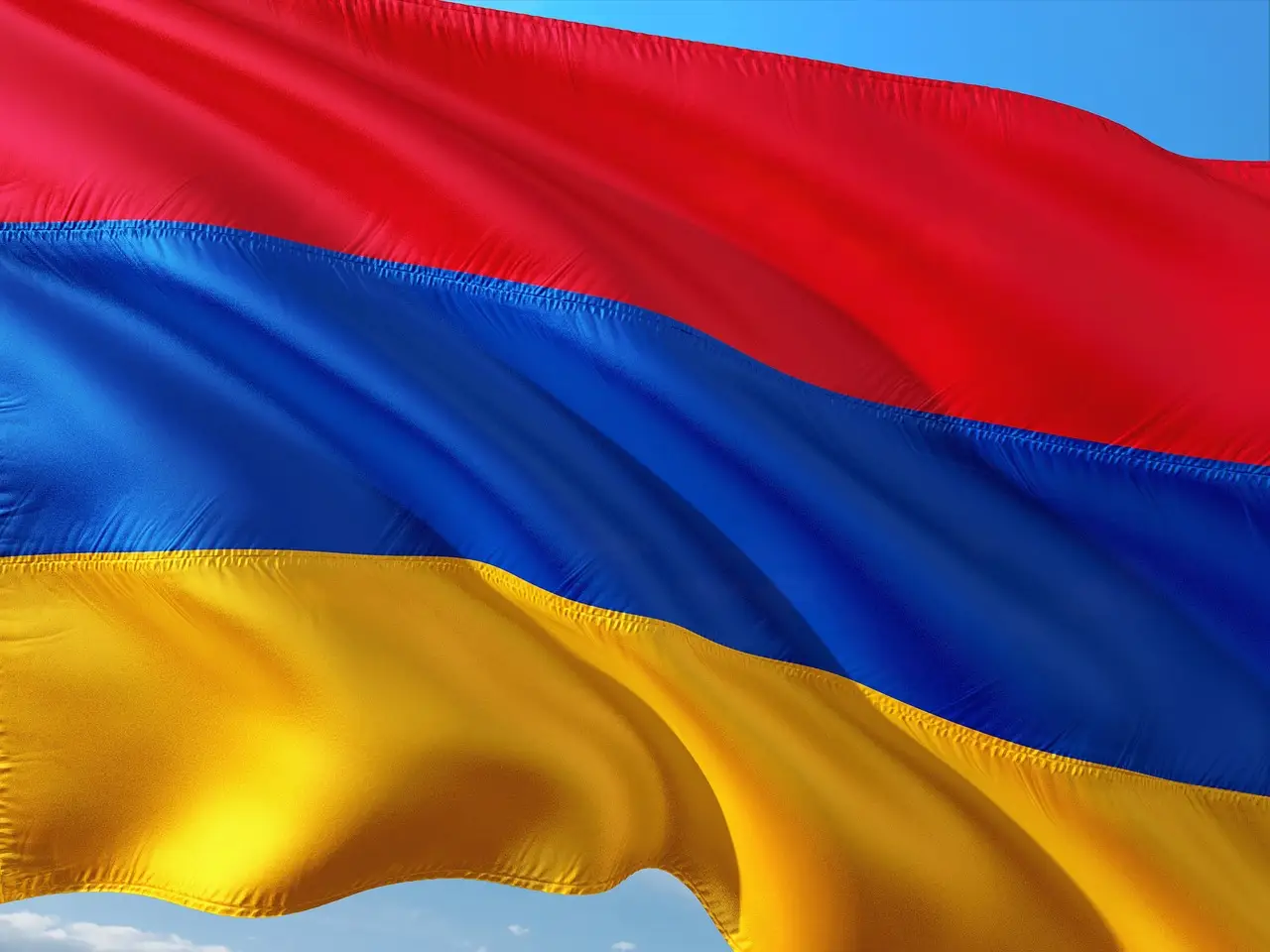
YouTube has extended its monetization program to Armenia, allowing creators in the country to earn ad revenue for the first time. The move, reported by The Armenian Report, follows a pattern of country-by-country Partner Program expansions.
By Tom Whitfield
2 min readAt a glance
- YouTube has extended its creator monetization program to Armenia, according to The Armenian Report
- The change opens the YouTube Partner Program to Armenian-resident creators for the first time
- Previously, Armenian creators could publish on YouTube but could not access standard ad-revenue tools
- The expansion follows country-by-country Partner Program rollouts in Eastern Europe, the Caucasus, and Central Asia
- Specific eligibility thresholds, effective date, and revenue share details remain unconfirmed in the source report
YouTube has extended its creator monetization program to Armenia, enabling channel operators based in the country to earn advertising revenue from their content for the first time.
The expansion, reported by The Armenian Report, opens the YouTube Partner Program to Armenian-resident creators. Until now, creators inside Armenia could publish videos and build audiences on the platform but could not access the standard ad-revenue tools available in most markets worldwide. The shift aligns Armenia with the majority of countries where YouTube ad revenue is already accessible.
What does the rollout change for Armenian creators?
Armenian channel operators now qualify to apply for monetization under YouTube's revenue-sharing framework. The change converts YouTube from a publishing platform into a direct income source for creators in the country.
That shift carries practical implications for full-time content production. Creators can fund equipment, hire editors, and dedicate working hours to the platform without relying on outside revenue.
Previously, Armenian creators monetized through brand sponsorships, cross-border partnerships, or merchandise. Channels that serve Armenian-speaking viewers inside the country and across the global diaspora now gain a direct path to platform revenue rather than depending on third-party arrangements.
How does the move fit YouTube's regional expansion pattern?
The Armenia rollout follows a series of country-by-country monetization expansions that YouTube has executed across Eastern Europe, the Caucasus, and Central Asia in recent years. Each new market increases the eligible creator base and adds fresh inventory for advertisers seeking regional reach.
The pattern reflects YouTube's effort to convert viewership in growth markets into monetizable supply. For brands and media buyers, the change adds a new supply of Armenian-language YouTube inventory.
Advertisers targeting Armenian-speaking audiences gain an additional channel for video partnerships and creator collaborations. That matters most for campaigns that previously relied on Facebook, Instagram, or TikTok creators in the Armenian market.
What details remain unconfirmed?
The Armenian Report coverage does not specify an effective date, eligibility thresholds for Armenian applicants, or the revenue share applied to local channels. YouTube has not published a separate announcement with those figures at the time of this report.
Practitioners planning campaigns with Armenian YouTube creators should wait for the platform's official documentation before quoting rates or committing budgets. Without confirmed thresholds, agencies cannot yet advise clients on creator selection criteria in the market.
What this signals for adjacent markets
YouTube's Armenia expansion sets a benchmark for creators in neighbouring countries where monetization remains unavailable. Several Caucasus and Central Asian markets still lack direct access to the Partner Program.
The Armenia decision suggests those markets may follow in due course, particularly where local regulatory conditions and payment infrastructure align with YouTube's payout requirements.
Source: Google News: YouTube monetization
Tom Whitfield
Show full bio
News editor covering regulation, policy and their impact on Social platform news and policy at Reach Brief.
Related articles
YouTube Plans Spring Monetization Launch for Armenian Creators
YouTube Monetization Set to Launch in Uzbekistan
YouTube Monetisation Could Unlock $15mn in Uzbek Ad Revenue
YouTube Tightens Monetization Rules While Widening Creator Earning Options
Uzbekistan Opens Talks With Google on YouTube Monetization