YouTube Monetization Set to Launch in Uzbekistan
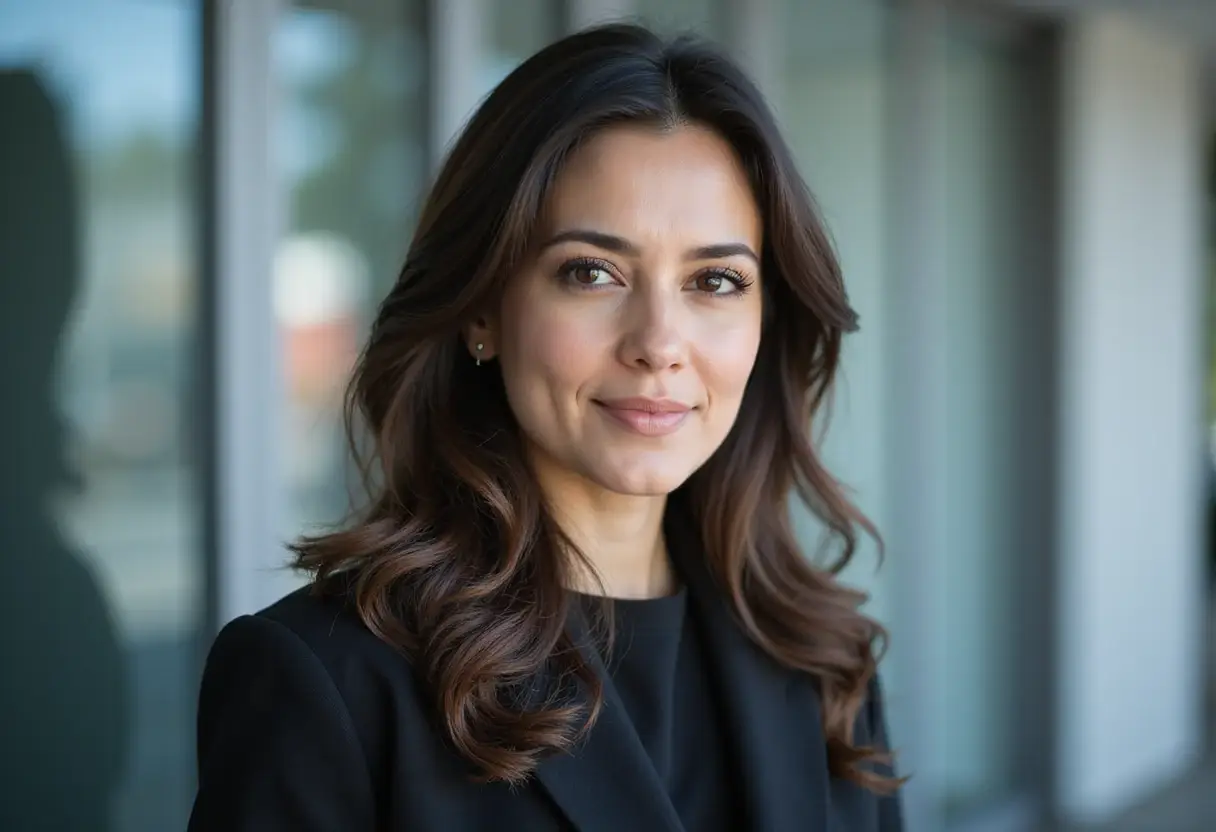
Uzbekistan is set to get YouTube monetization after Saida Mirziyoyeva met a Google vice president — but no launch date or payout terms have been confirmed yet.
By Grace Kim
3 min readAt a glance
- YouTube monetization is set to launch in Uzbekistan following talks between Saida Mirziyoyeva and a Google vice president
- No launch date, payout terms or revenue split has been disclosed
- Uzbek creators have until now lacked direct access to the YouTube Partner Program
- The Google executive's name and the meeting date were not published in the report
Uzbekistan is moving toward launching YouTube monetization, after Saida Mirziyoyeva, assistant to the president and elder daughter of President Shavkat Mirziyoyev, held talks with a Google vice president. Zamin.uz reported the meeting, framing it as the step that could finally let Uzbek creators earn directly from the platform.
The details are thin, and that matters. The report names the meeting and its outcome — monetization "to be launched" — but does not specify a launch date, which monetization tiers apply, or what ad-revenue split Uzbek creators will receive. Until Google or YouTube publishes a country rollout note, treat the timing as unconfirmed.
What does this change for Uzbek creators?
Right now, the practical answer is: nothing yet, but potentially a lot. Uzbek YouTube channels have been able to build audiences for years without access to the YouTube Partner Program, which requires a creator's country to be on Google's supported list for payouts. Local creators have typically relied on brand deals, sponsorships and payments routed through foreign accounts or intermediaries.
If monetization opens, eligible creators could earn ad revenue directly. That would shift the economics of the local creator market — currently built almost entirely on direct advertiser relationships — toward platform-native income. What the report does not say is whether Uzbekistan would join the full Partner Program, including Shorts revenue sharing, or a narrower ad-scheme first. Google has staggered such rollouts elsewhere, and neither official party has clarified the scope.
Who confirmed what?
Zamin.uz attributes the news to the meeting between Mirziyoyeva and the Google vice president. The outlet did not name the executive, publish the meeting date, or quote either side directly in the summarized report. There is no statement from YouTube's official communications channels in the text.
That leaves the strongest confirmation at the level of "a senior Uzbek official and a Google executive discussed launching monetization." The phrasing "to be launched" suggests an agreement in principle, not a product update with a timeline. Readers planning around this should watch for a YouTube Help Center country-list update, which is how Google historically confirms such expansions.
Why the meeting happened now
Mirziyoyeva has become one of the most visible figures in Uzbekistan's digital and cultural policy push, and the meeting fits a broader government effort to integrate the country's internet economy with global platforms. Uzbekistan has one of Central Asia's largest populations, with a young, highly social-media-active user base. Creators there have long produced for large audiences while earning off-platform.
For Google, adding a country to monetization expands its ad inventory and creator supply at marginal cost. For Tashkent, it signals tech-sector goodwill and keeps creator earnings — and the tax base around them — closer to home. Neither government nor company has commented on revenue projections, and no figures appear in the source report.
What to watch next
The signal to act on is an official YouTube country-list change, not the diplomatic photo op. Creators and agencies working in Uzbekistan should hold budget and content plans steady until that confirmation lands — and expect eligibility thresholds, such as subscriber and watch-hour minimums, to apply from day one.
Source: Google News: YouTube monetization
Grace Kim
Show full bio
Senior reporter covering companies, deals and strategy in Social platform news and policy at Reach Brief.
Related articles
Uzbekistan Opens Talks With Google on YouTube Monetization
YouTube Monetisation Could Unlock $15mn in Uzbek Ad Revenue
Uzbekistan weighs YouTube monetization deal in Mirziyoyeva-Google talks
YouTube Extends Monetization to Armenia, Enabling Creator Revenue
YouTube Plans Spring Monetization Launch for Armenian Creators