YouTube Rolls Out 'Second Chance' Program for Banned Creators
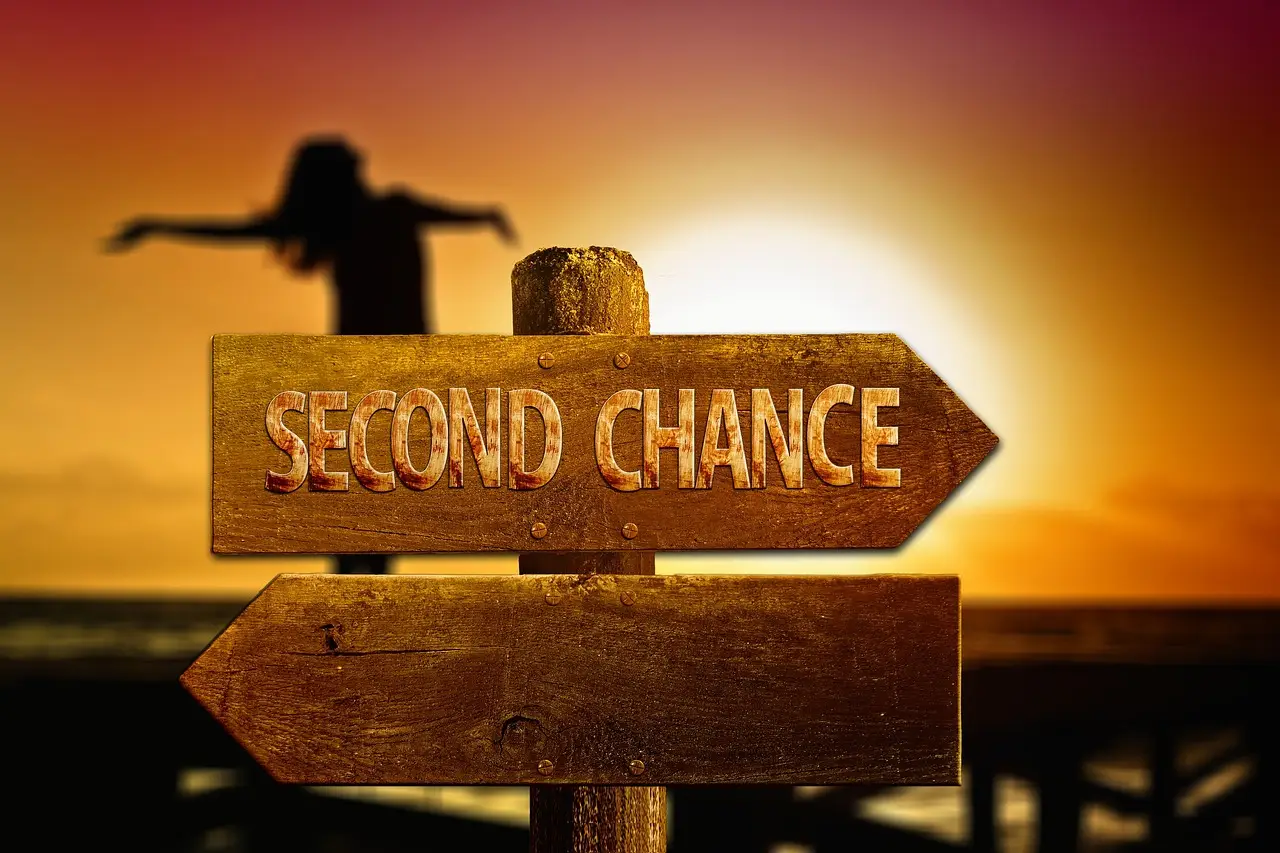
YouTube has launched 'Second Chance,' a return path for banned creators — but eligibility rules, restoration terms and repeat-violation handling remain unpublished.
By Grace Kim
3 min readAt a glance
- YouTube has launched a program named 'Second Chance' for previously banned creators
- Reported by Influencer Marketing Hub; official eligibility criteria have not been published
- It remains unclear whether restored creators regain their original channel or start fresh
- Terms for repeat violations after restoration are not specified in the initial coverage
YouTube has launched a program it calls 'Second Chance,' a route for previously banned creators to return to the platform, according to Influencer Marketing Hub. That's the headline fact. Almost everything about how it actually works — who qualifies, how appeals run, whether strikes reset — sits in the gap between the announcement and the detail.
Let's separate what's confirmed from what's floating around. Officially, the program exists and carries the 'Second Chance' name. That much is on the record. What isn't on the record, at least not in the material available so far, is the eligibility criteria. No income threshold, no subscriber floor, no stated cap on how many times a channel can pass through it.
What does this change for creators?
For practitioners, the practical shift is this: a channel termination may no longer be permanent. Creators who lost their channel — and with it their subscriber base, monetization history and back catalog — potentially have a restoration path. That matters commercially, because a banned channel historically meant rebuilding from zero on a new account, often with adsense history severed.
But hold that optimism for a second. A path back isn't the same as a guaranteed way back. Until YouTube publishes the criteria, nobody can tell a client whether their specific ban — a community-strike termination, a copyright strike stack, an alleged policy evasion — qualifies. The promise is real; the scope is not yet.
The questions the announcement doesn't answer
There are three obvious holes worth flagging before anyone builds a recovery plan around this:
- Eligibility: Which violation categories qualify, and which are excluded outright?
- Restoration terms: Do banned creators get their original channel back, or a fresh start with the slate wiped?
- Repeat behavior: What happens to a channel that's restored and violates policy again?
None of that appears in the initial coverage. Absence of detail isn't evidence of a weak program, but it is a reason for agencies and creator managers to hold off promising clients a comeback.
Reach and budget implications
If restoration returns the original channel, the stakes are high. A channel's subscriber base is its distribution; losing it means losing algorithmic history, watch-time signals and the monetization track record that determines ad rates. A genuine restoration path would let some creators skip a years-long rebuild.
If, instead, 'Second Chance' means a new channel with a clean record, the value drops sharply. Creators would still start from zero reach, just without the ban hanging over registration. Those are very different products, and the announcement hasn't said which one YouTube is shipping.
Test before you amplify
The skeptic's checklist applies here. Before advising any banned creator to pursue this, confirm the program's official terms directly on YouTube's creator channels — not through forum posts or secondhand summaries. Creator speculation about 'amnesty' programs has circulated before and hasn't always matched reality. The confirmed fact is the name and the intent; the mechanics deserve verification.
What's likely next: YouTube will have to publish formal eligibility rules, because a restoration program without published criteria invites exactly the appeal-backlog confusion it's presumably meant to reduce. Watch for that documentation before treating 'Second Chance' as a standard line in any crisis-recovery playbook.
Source: Google News: YouTube monetization
Grace Kim
Show full bio
Senior reporter covering companies, deals and strategy in Social platform news and policy at Reach Brief.
Related articles
YouTube Reportedly Doubles Monetization Threshold for New Channels
YouTube Tightens Monetization Bar for New Creators in 2027
YouTube Reworks Channel Monetisation Rules for First Time in 8 Years
YouTube Tightens the Path to Creator Monetization
YouTube doubles creator monetization bar, hints at wider Premium Lite rollout